


Before starting any industrial project, it is essential to carry out a feasibility study to ensure the best use of resources, avoid rework and direct the project to success. It is precisely this role that LMS Engenharia, the project division of MSE Engenharia, has been playing with excellence throughout Brazil.
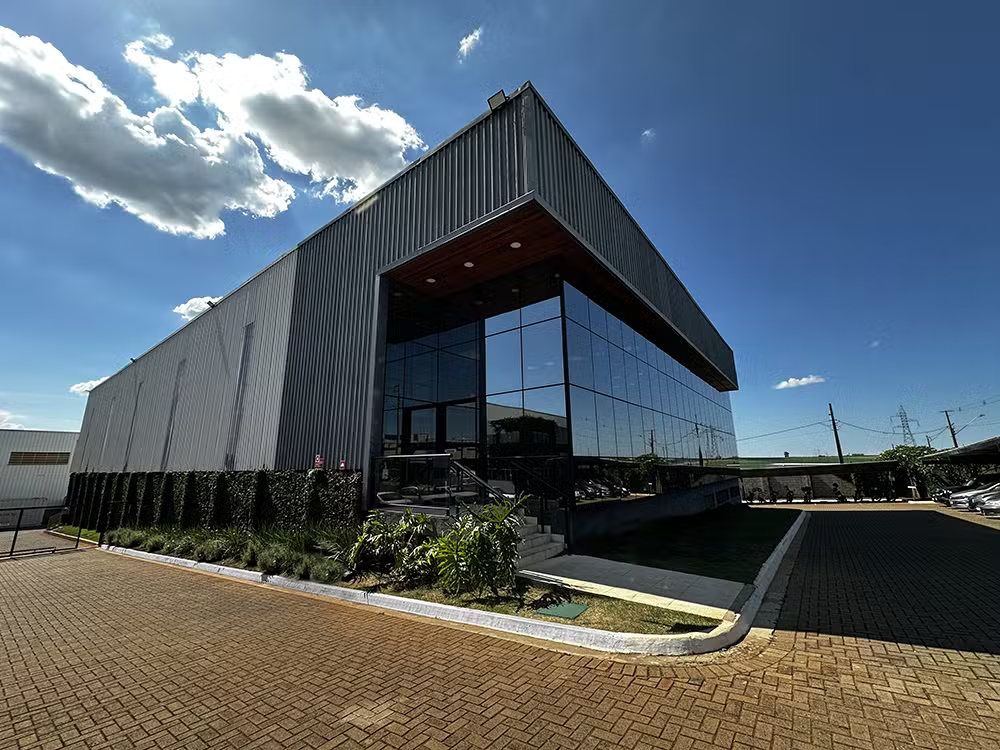
What is a feasibility study?
The feasibility study is a complete analysis, carried out in the planning phase, that assesses whether the project is in fact possible, considering variables such as costs, risks, infrastructure, legislation and return projection. It gathers strategic data about the terrain, the market, and available resources, allowing the investment decision to be safe, clear and substantiated.
Strategic planning from the start
With a multidisciplinary approach and a rigorous technical approach, LMS Engineering analyzes:
- Location and topography of the terrain
- Available infrastructure and access to utilities
- Logistics and mobility
- Legal, environmental, and urban restrictions
- Costs and return projection (payback, IRR, NPV)
- Operational simulations, preliminary budgets, and realistic schedules.
The choice of land, for example, is evaluated in detail: topography, zoning, master plan, tax incentives, and feasibility of deployment are carefully analyzed. In parallel, the cash flow and capital required throughout the project phases are precisely modeled.
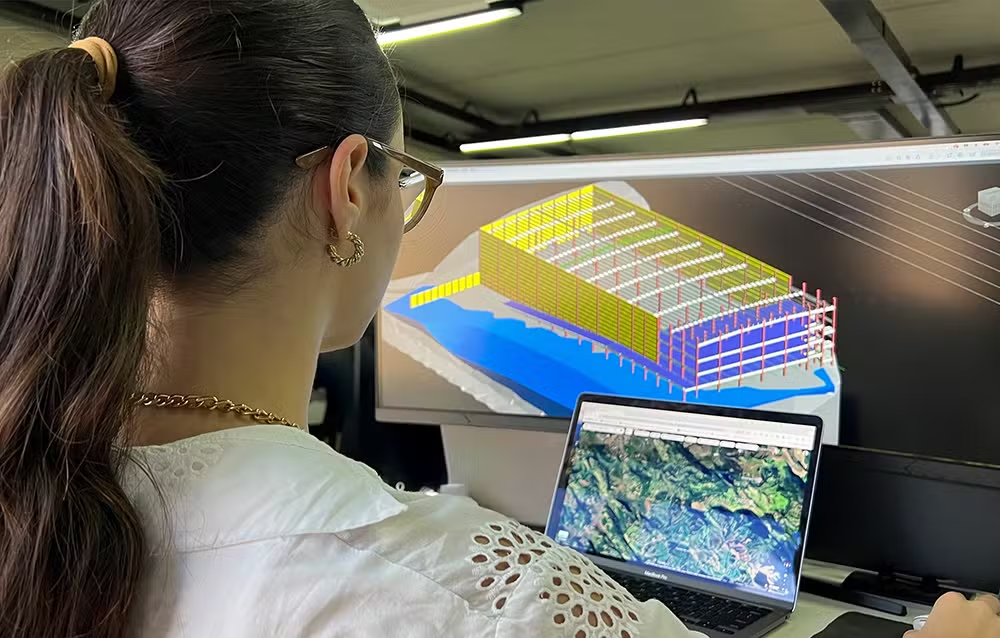
CAPEX study: predictability and control
The CAPEX (Capital Expenditure) study is an essential stage within the technical feasibility, as it estimates the investments needed to make the project a reality. Based on operational simulations and preliminary budgets, LMS Engineering evaluates different scenarios, pointing out the costs of implementation, equipment, labor, civil works, and facilities. This detailed survey allows the client to have financial predictability and to make more assertive decisions from the start.
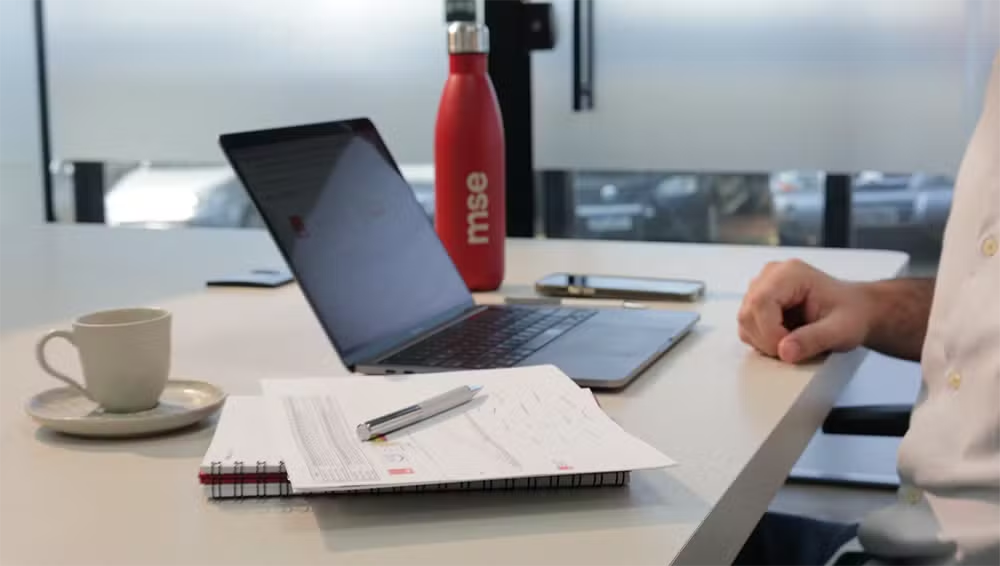
Conceptual design: the basis of everything
Along with the feasibility study, LMS also develops the conceptual project — an initial and strategic representation of what the future industrial plant will look like. In this stage, flows, preliminary layout, physical arrangements, integration of utilities, and technical zoning are defined, always considering standards, good engineering practices, and customer requirements. This material is essential to validate the viability of the project and to support the next phases of the executive project.
Decision-making with confidence
Viability is where it all begins. It allows the client to see the whole thing before starting any execution. Based on this study, it is possible to structure the investment clearly, based on technical data, conceptual design, CAPEX study, and consistent projections.
“A good feasibility study allows us to view the project as a whole even before the first movement on the construction site. It provides the basis for strategic decisions, avoids rework and ensures that each stage is precisely thought out from the start,” says Wesley Brito, director of the LMS.
Bárbara Voltarelli, engineering manager, adds: “We analyzed all the costs involved — from land acquisition, fees and licenses to preliminary works and necessary infrastructure. This detailed survey is essential to anticipate risks, define priorities, and ensure that the investment is well planned and financially feasible.”
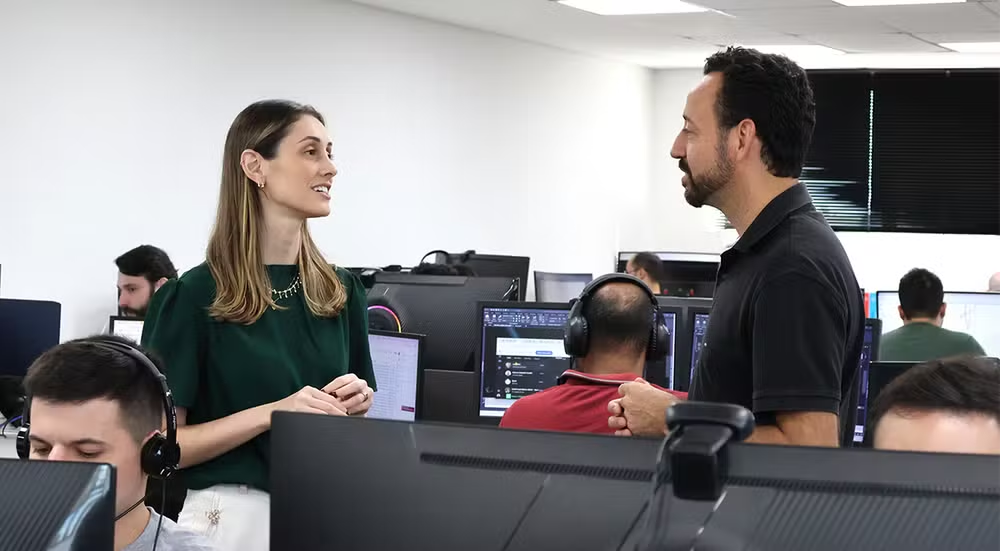
Specialized team and vision of the future
MSE Engenharia, through the LMS, has more than 50 engineers and design architects dedicated to industrial viability. With experience in sectors such as Pulp and Paper, Pharmaceutical, Food, Chemical, Cosmetics, Mining, Oil and Gas, and Data Centers, the company operates on both greenfield and brownfield projects, delivering studies tailored to each client.
Each project includes technical, legal, economic, and operational analyses that ensure consistency and trust for high-impact decisions.
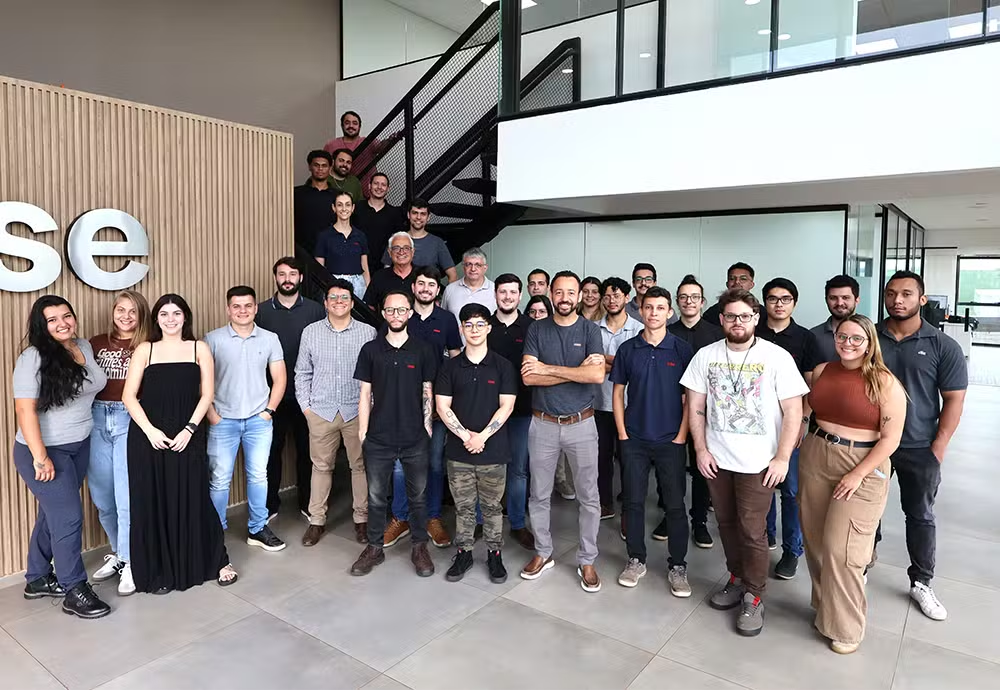
MSE Engineering: reference in industrial feasibility studies
For companies that wish to build, expand or transfer industrial plants, MSE Engenharia, through the LMS, offers comprehensive studies, focusing on precision, strategy and real results — already applied in several successful cases in Brazil.
Destaques
Labor Day 2026: The energy that drives Brazil!

Innovative projects: integrated solutions for different sectors
Mais posts de
Projetos


MSE na Future Pharma: inovação e engenharia farmacêutica
MSE talk series: the new paths of the electricity sector


