


ata centers have become the critical infrastructure of the digital age. Every search, banking transaction, or interaction with artificial intelligence runs through one — and demand for new facilities in Brazil is growing at an accelerated pace.
But building a data center is far from an ordinary industrial project. These are ventures that combine aggressive schedules, strict technical requirements, and zero tolerance for failure. In this article, we explain what makes these projects so challenging — and what it takes to deliver them well.
What is a data center?
A data center is a facility designed to house servers and data storage and processing systems, operating non-stop, 24 hours a day, 7 days a week. To do so, it combines redundant power systems, precision cooling, physical security, and high-capacity connectivity.
The best-known classification is the Tier system (I to IV) from the Uptime Institute, which defines increasing levels of redundancy and availability. The higher the Tier, the more complex the design and execution of the project become.
The main engineering challenges
Power
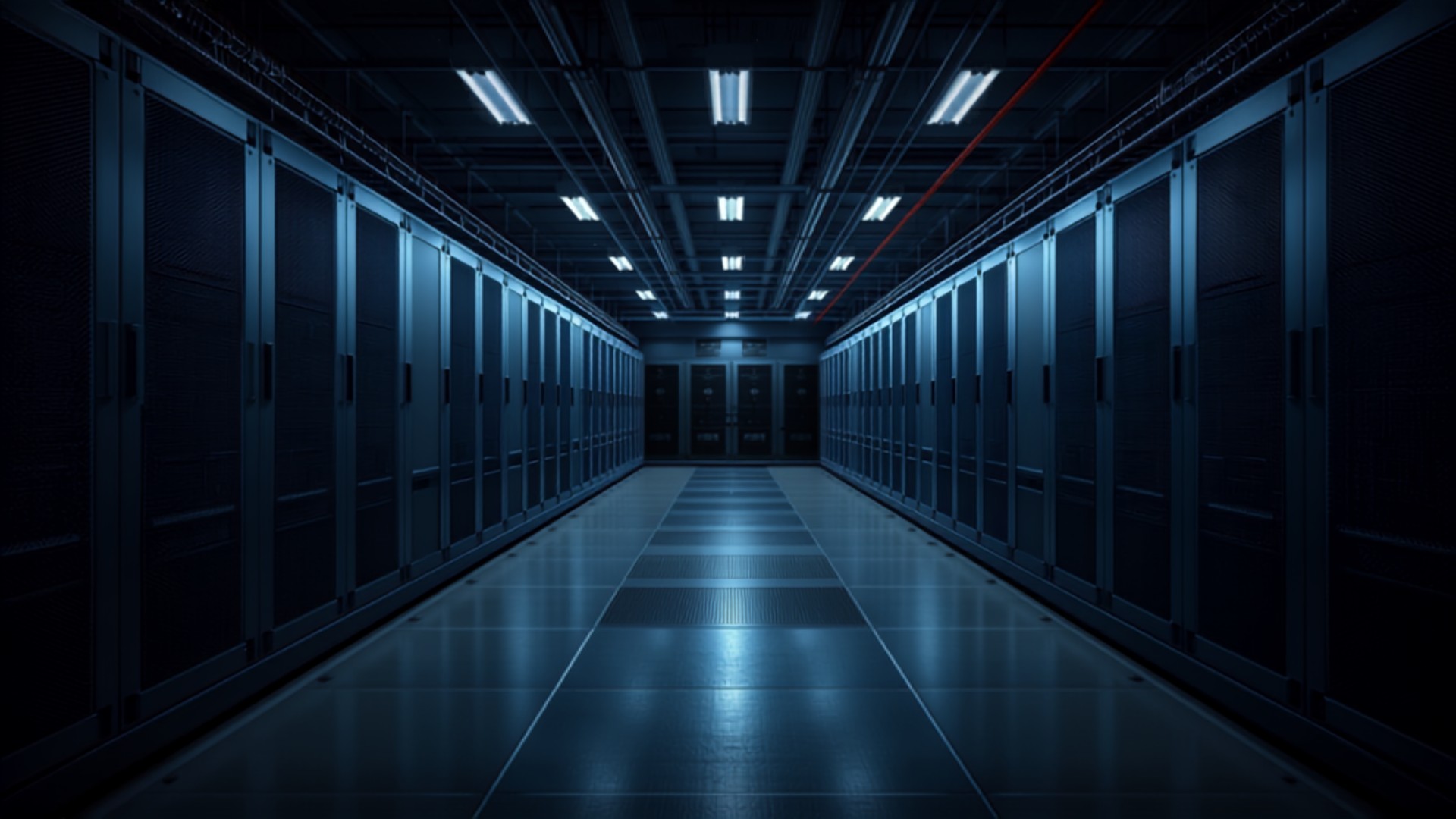
Data centers are major consumers of electricity and require dedicated substations, generators, UPS systems, and redundant distribution. The electrical system is the heart of the facility — and any design failure compromises the entire operation.
Cooling
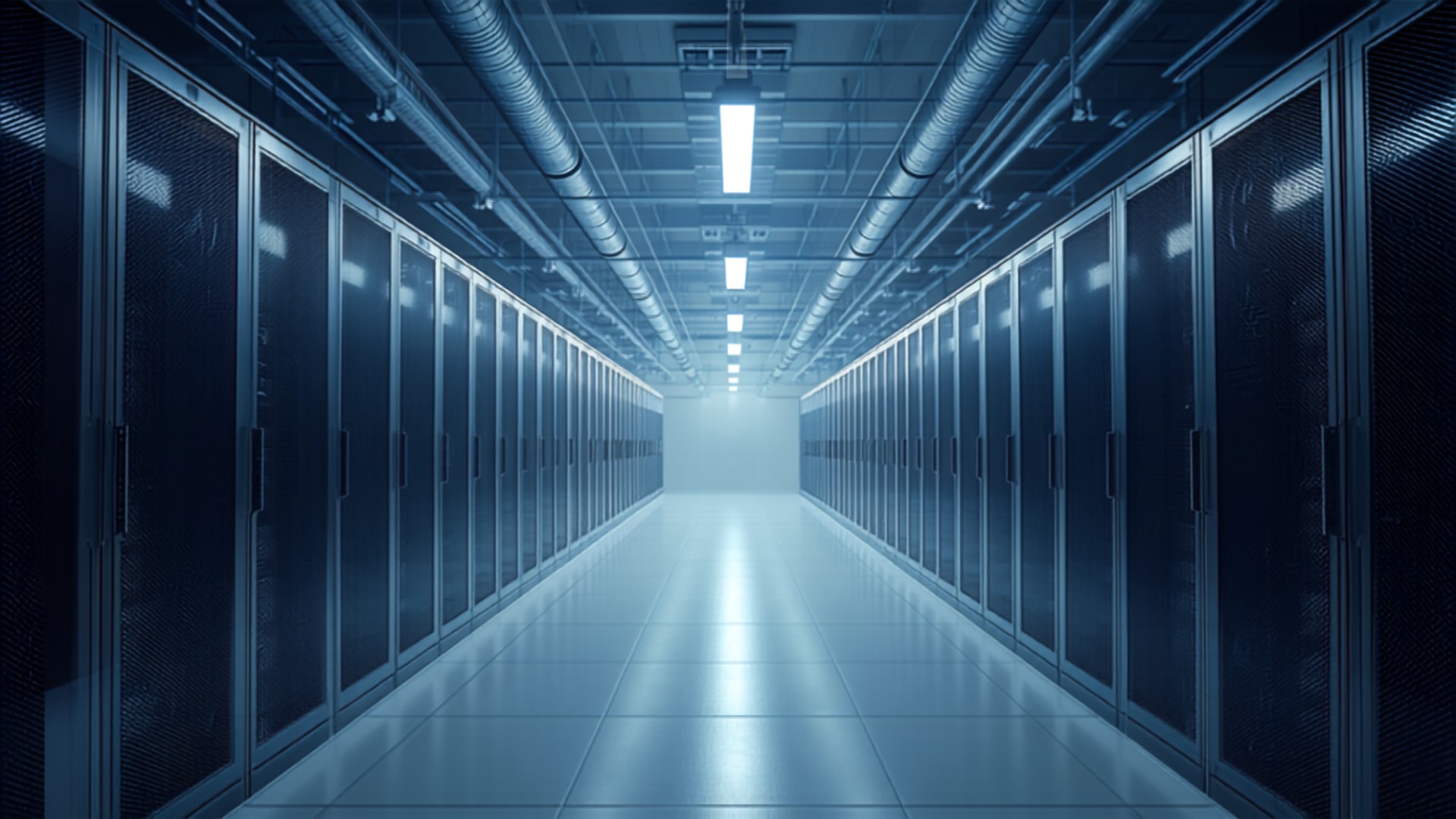
IT equipment generates intense, continuous heat. The HVAC design must ensure stable temperature and humidity with maximum energy efficiency, increasingly through solutions such as contained hot and cold aisles and liquid cooling.
Structure and schedules
These projects follow aggressive timelines, with heavily industrialized construction processes, prefabricated elements, and integrated planning across civil, electrical, and mechanical disciplines from the earliest design stages.
The role of BIM methodology
In projects with this density of installations, coordination between disciplines is decisive. The BIM methodology makes it possible to anticipate clashes between structure, cable trays, ducts, and piping while still in the design phase, reducing rework and waste during execution — a direct gain in schedule and cost.
Commissioning: the stage that ensures reliability
Before going into operation, all of a data center's systems undergo integrated commissioning tests, which simulate failures and validate the designed redundancies. This is the stage that ensures the facility will meet the contracted availability levels.
Experience that makes the difference
With 47 years of history in highly complex industrial projects, MSE Engenharia brings together the capabilities such a venture demands: integrated engineering, rigorous schedule and quality management, and experience in mission-critical facilities for industries that cannot stop.
Want to learn more about how to structure a critical infrastructure project? Contact MSE Engenharia and talk to our team.

Destaques
Labor Day 2026: The energy that drives Brazil!

Innovative projects: integrated solutions for different sectors
Mais posts de
Inovação


MSE talk series: the new paths of the electricity sector
OFFICIAL ANNOUNCEMENT


