E-house supplied by MSE Engenharia, through STI Electric, for Mosaic's new primary crusher in Cajati.


Reliability that starts at the factory and arrives field-ready.
In a conventional electrical room, panels, transformers and systems arrive from different suppliers and are integrated on the job site, under tight deadlines and changing conditions. In an e-house, that integration happens at the factory: a single engineering team specifies, assembles, interconnects and tests all the equipment. The result is a solution with less field interference, lower project risk and a shorter deployment schedule.
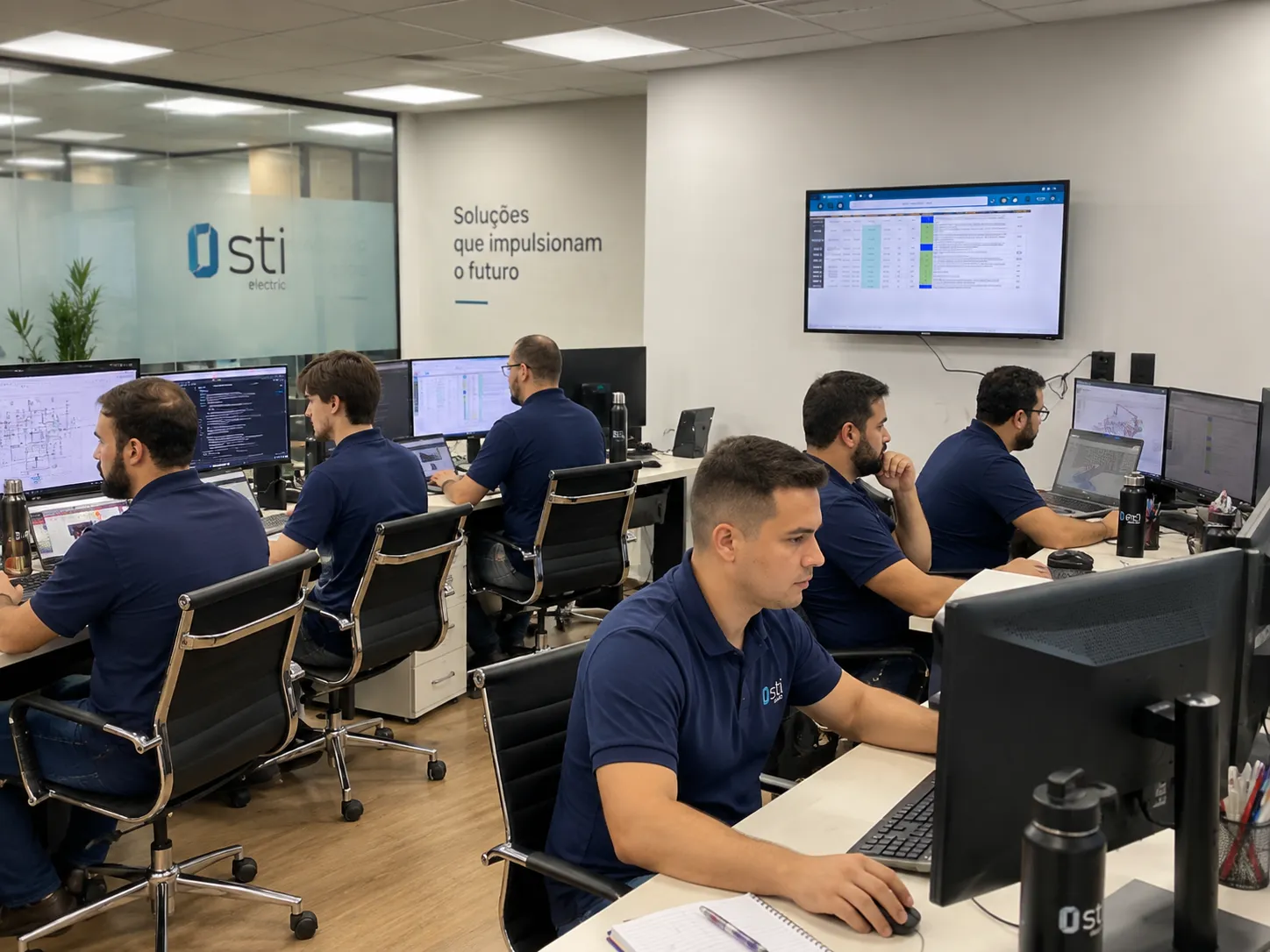
Engineering
Electrical, mechanical and HVAC design done in-house, from concept to detailed design, by a single team.
In-House Manufacturing
Steel structure and electrical room built at the factory, with quality control at every stage of assembly.
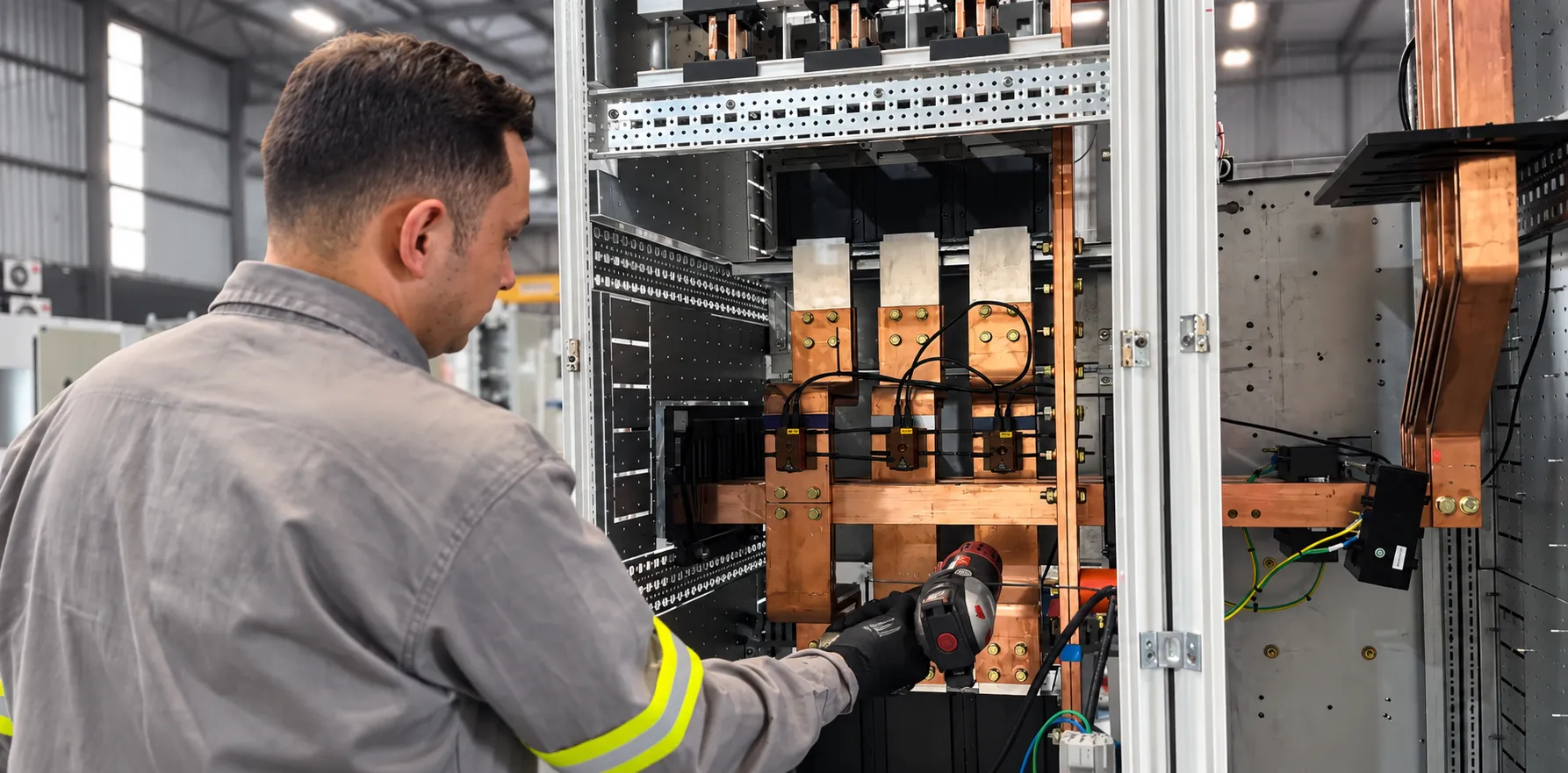
Panel Assembly
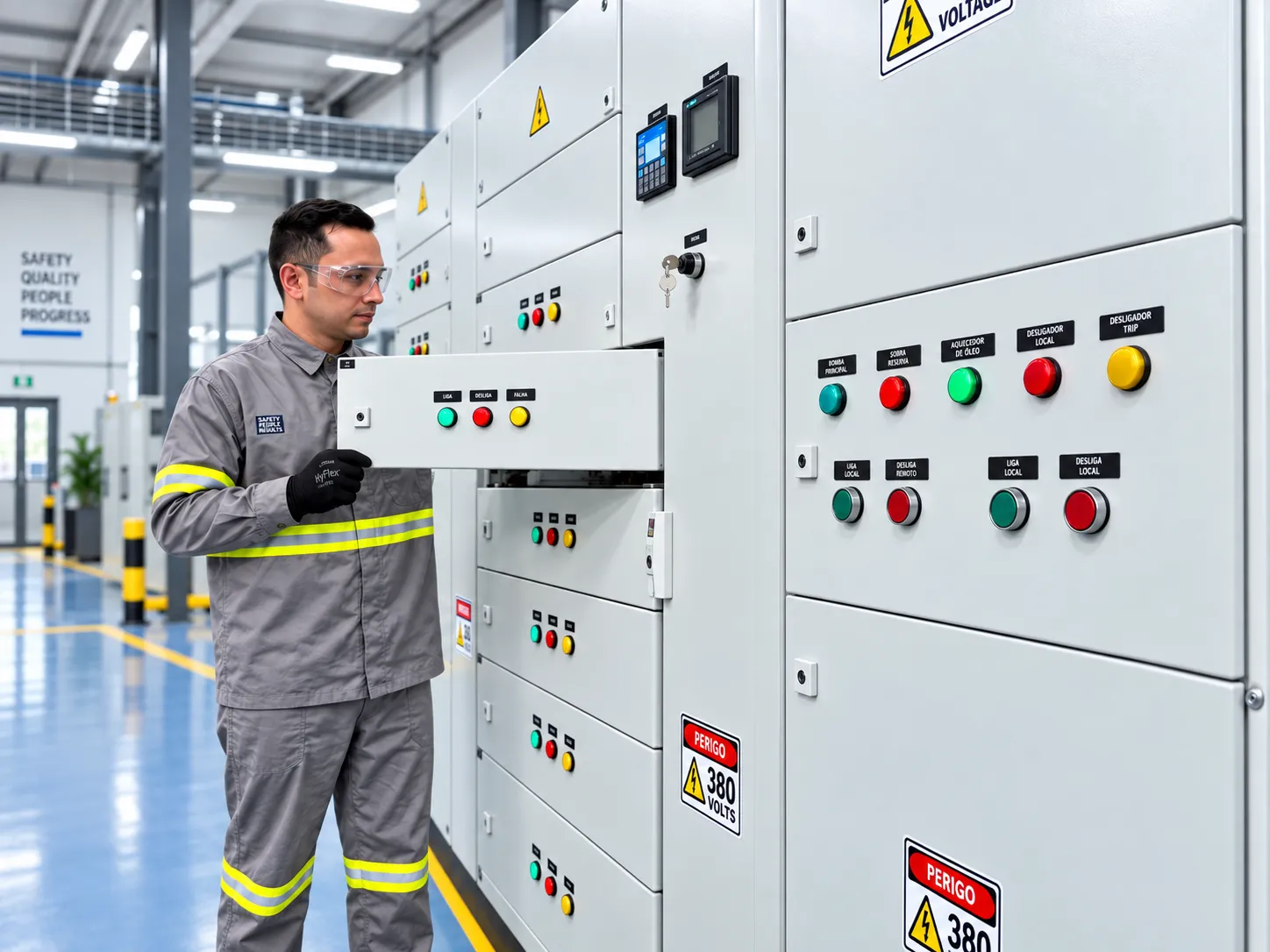
Medium- and low-voltage panels manufactured by STI Electric and integrated into the e-house right at the factory.
Factory Testing
Electrical and functional testing of the entire assembly before shipment, reducing risk and time in the field.
In-House Logistics and Equipment
Transportation, lifting and placement of the e-house on site with our own crew, equipment and planning.
Installation and Energization
Cable interconnection, commissioning and assisted handover in the field, through to full operation of the electrical room.
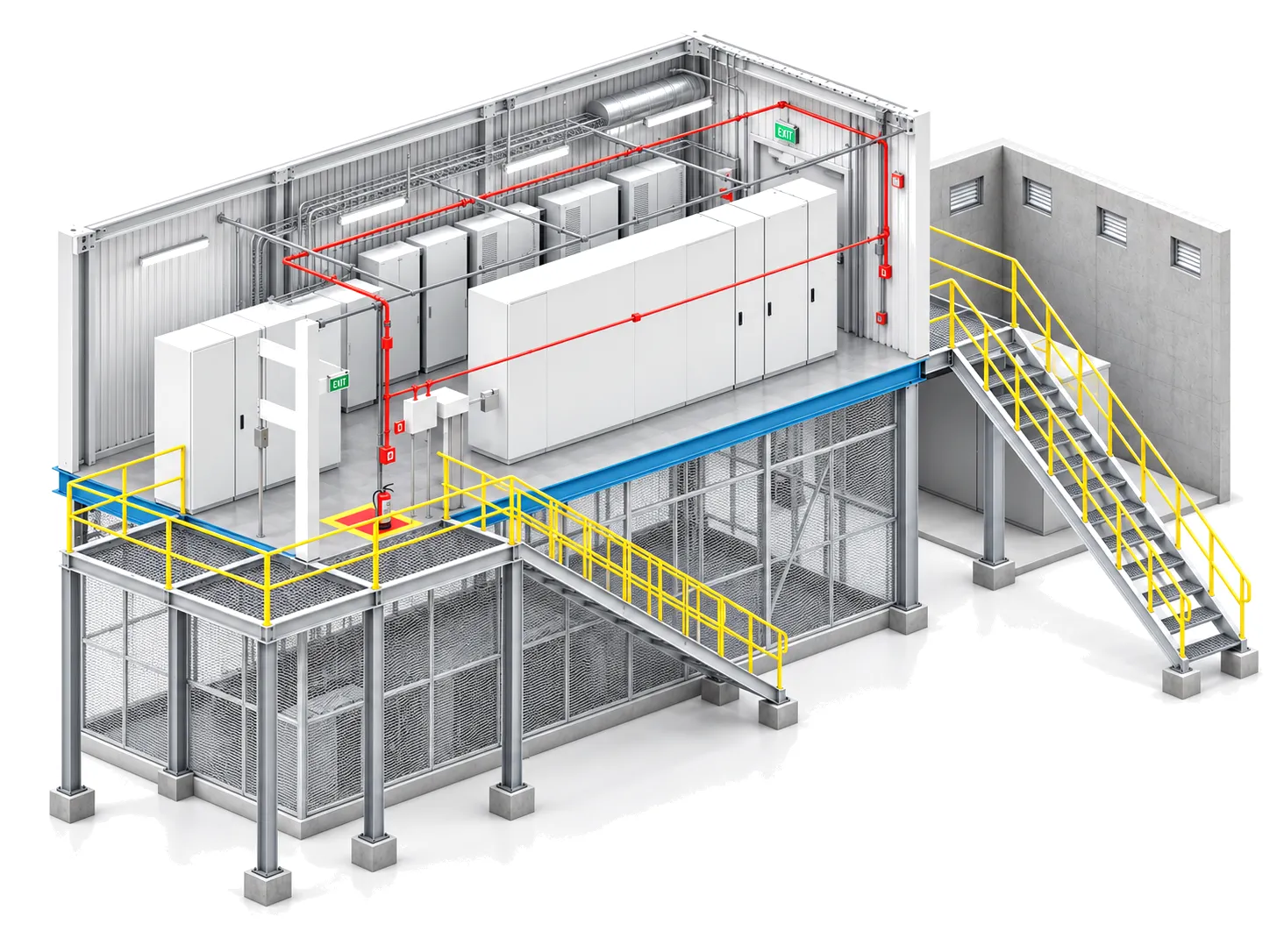
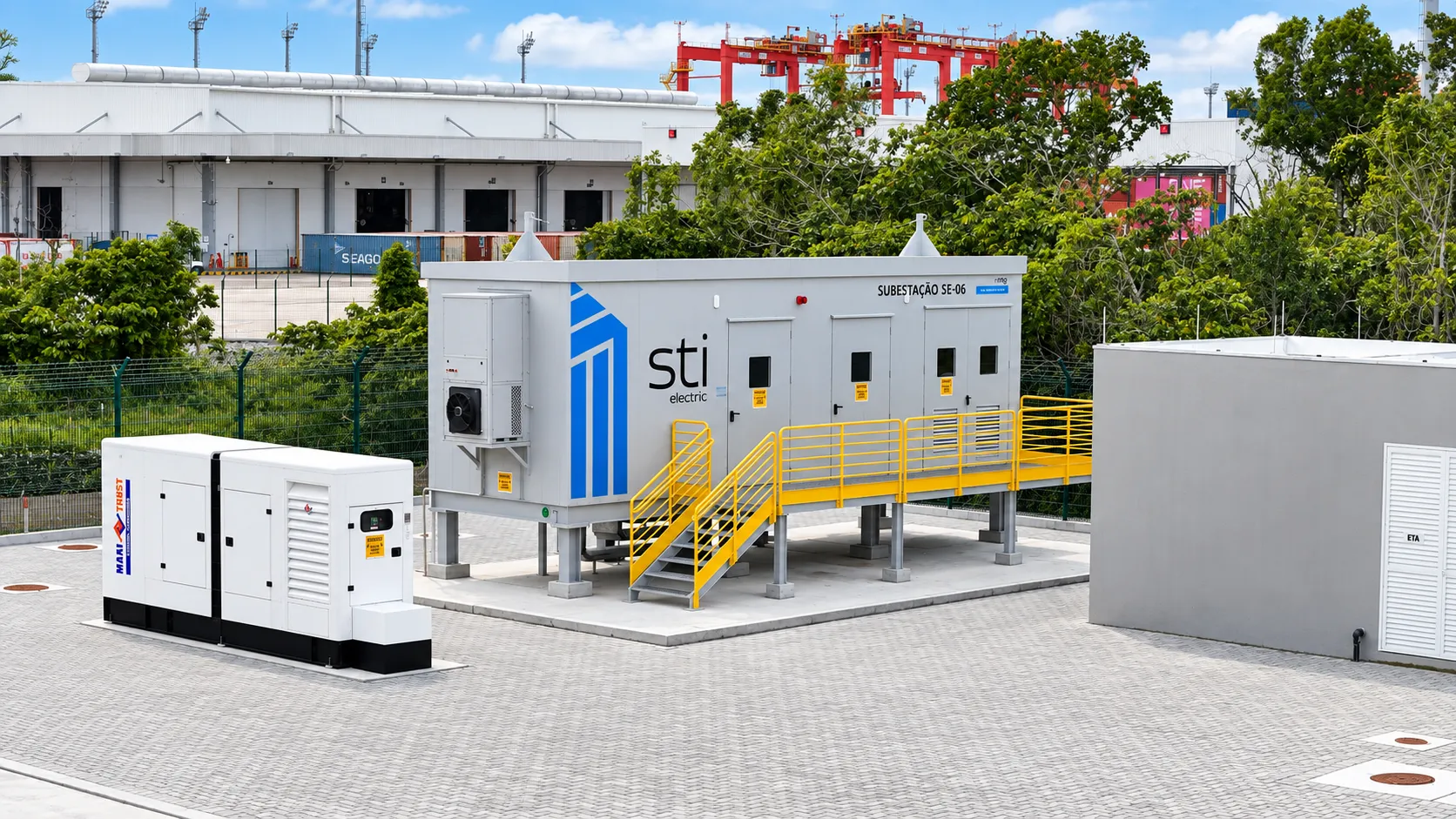
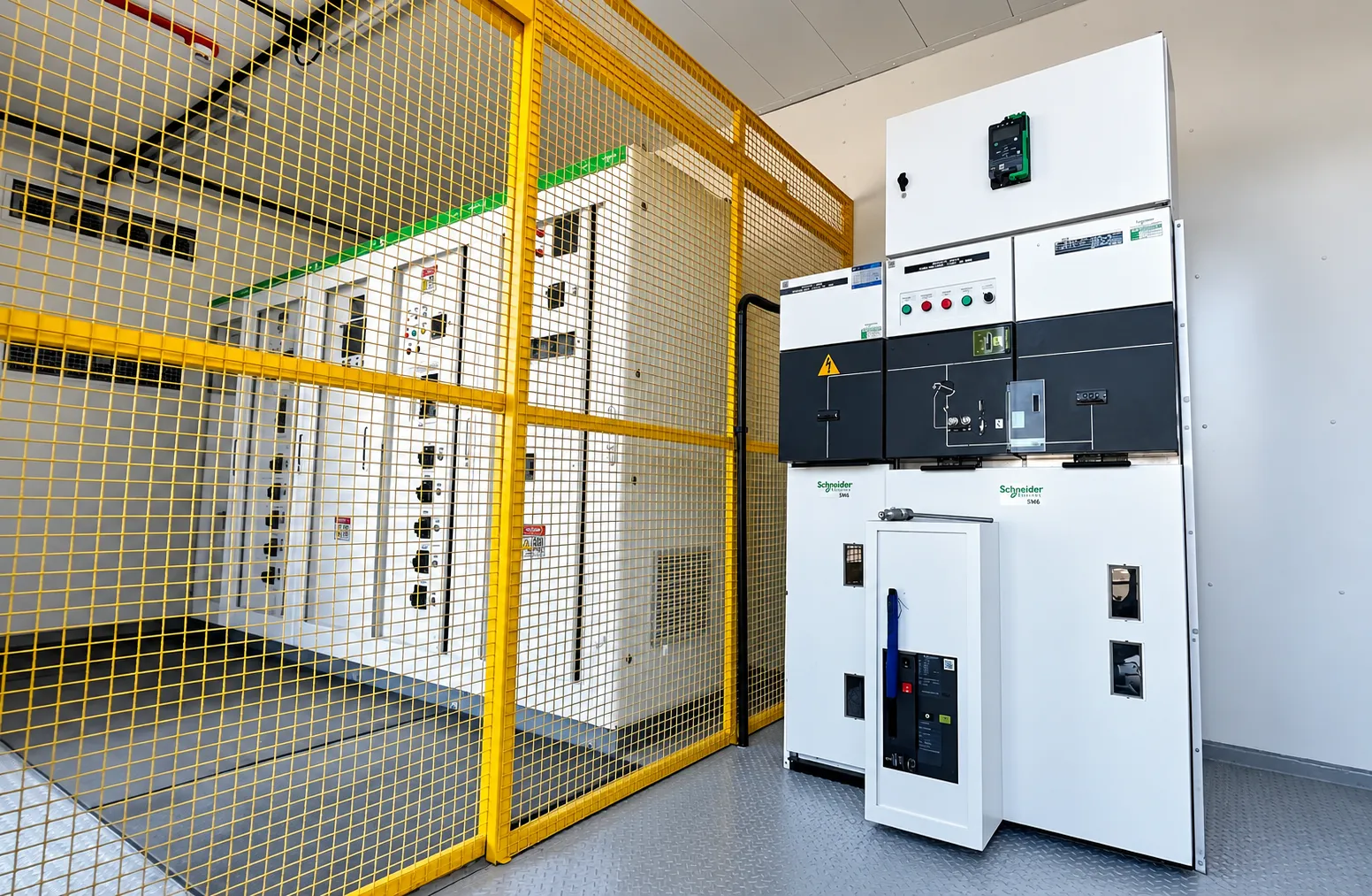
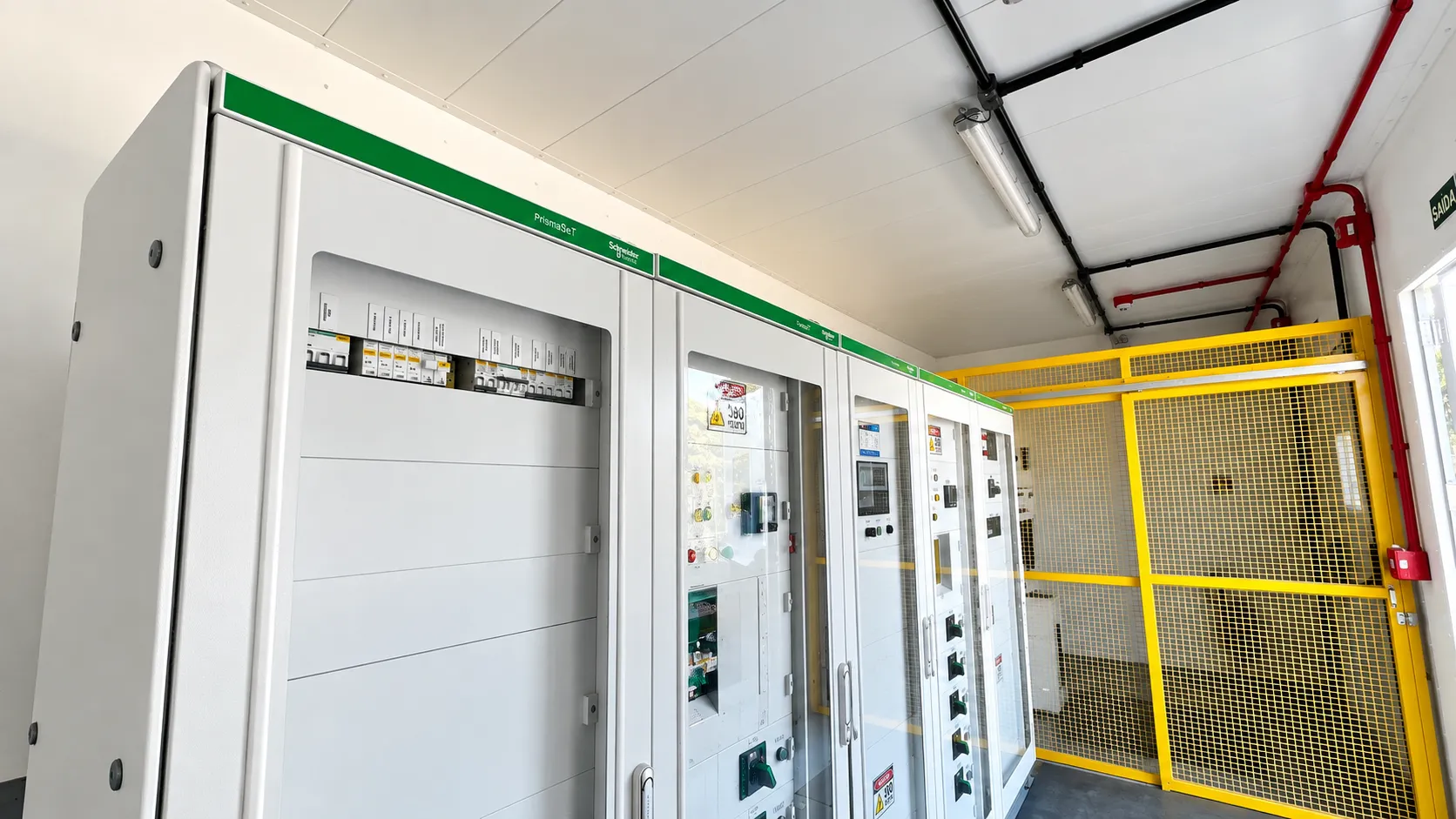
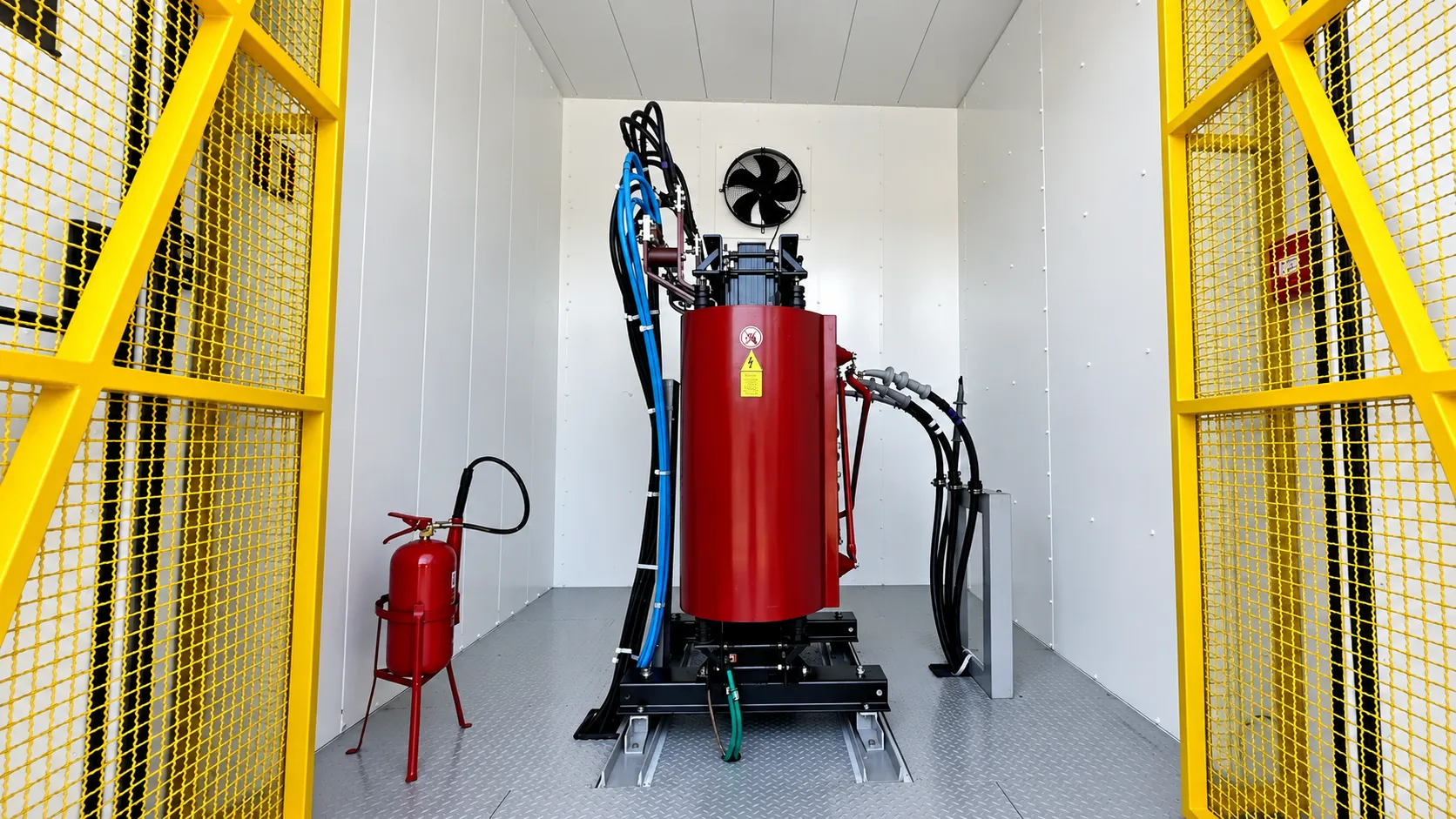
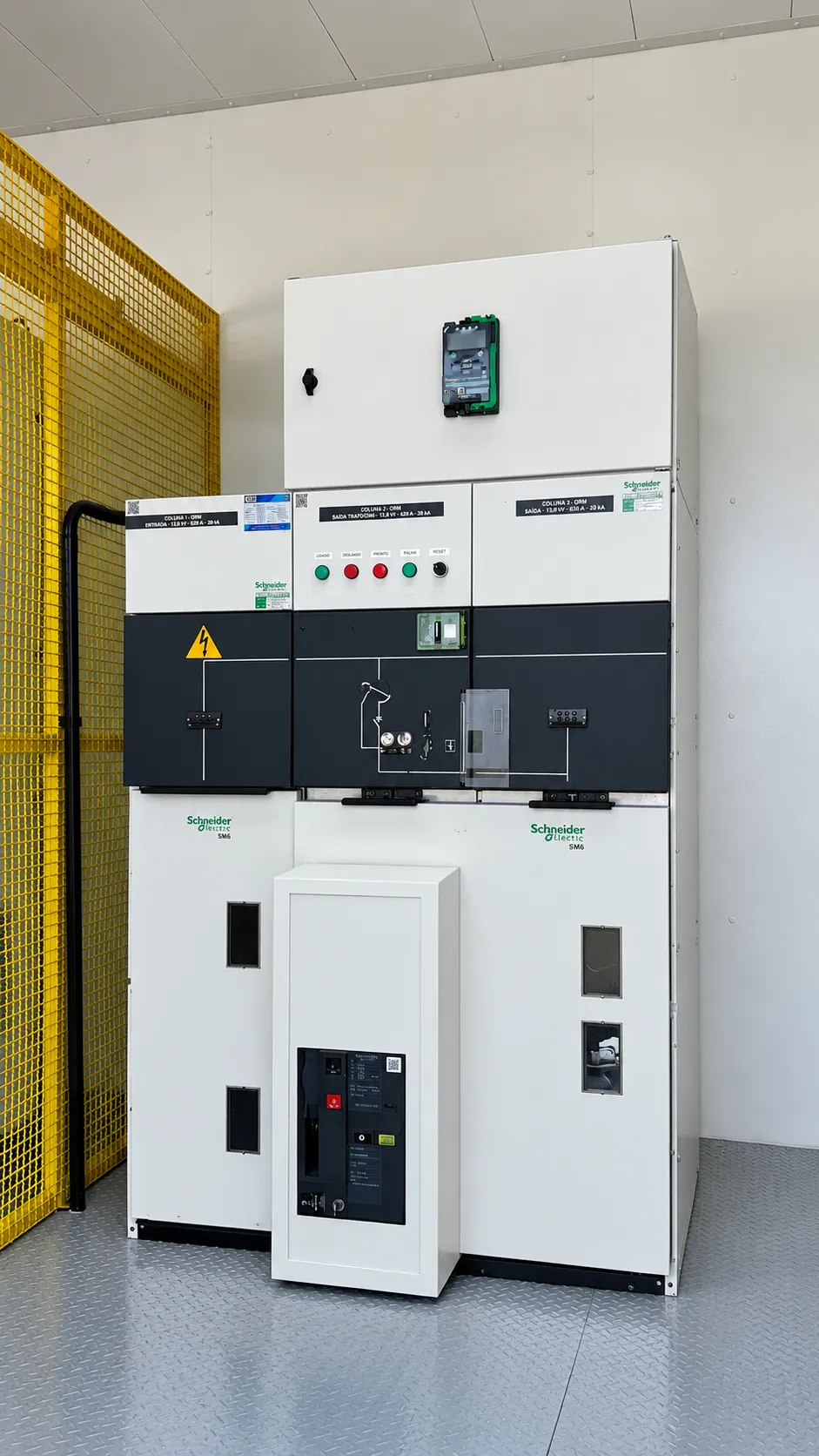
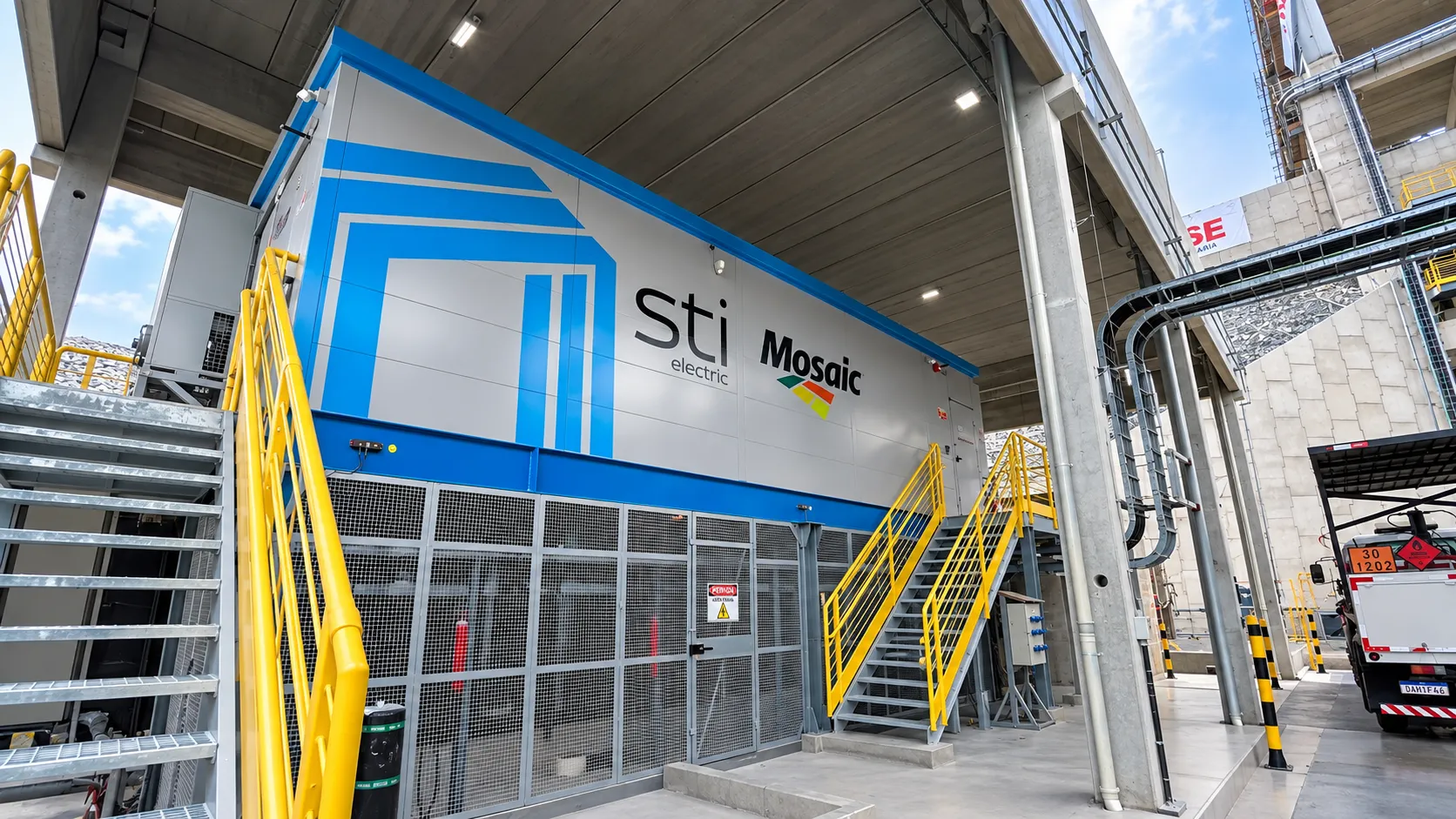
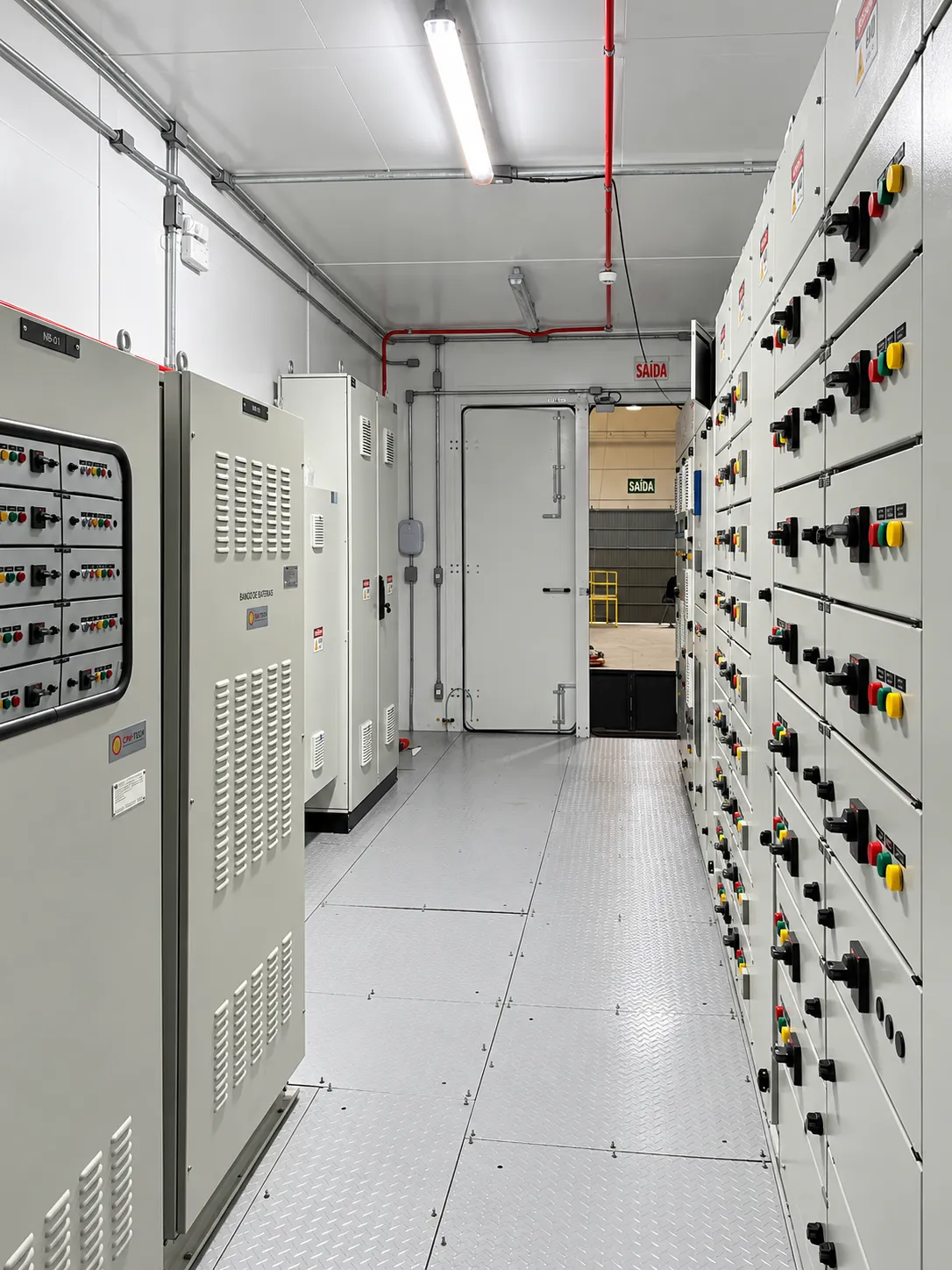
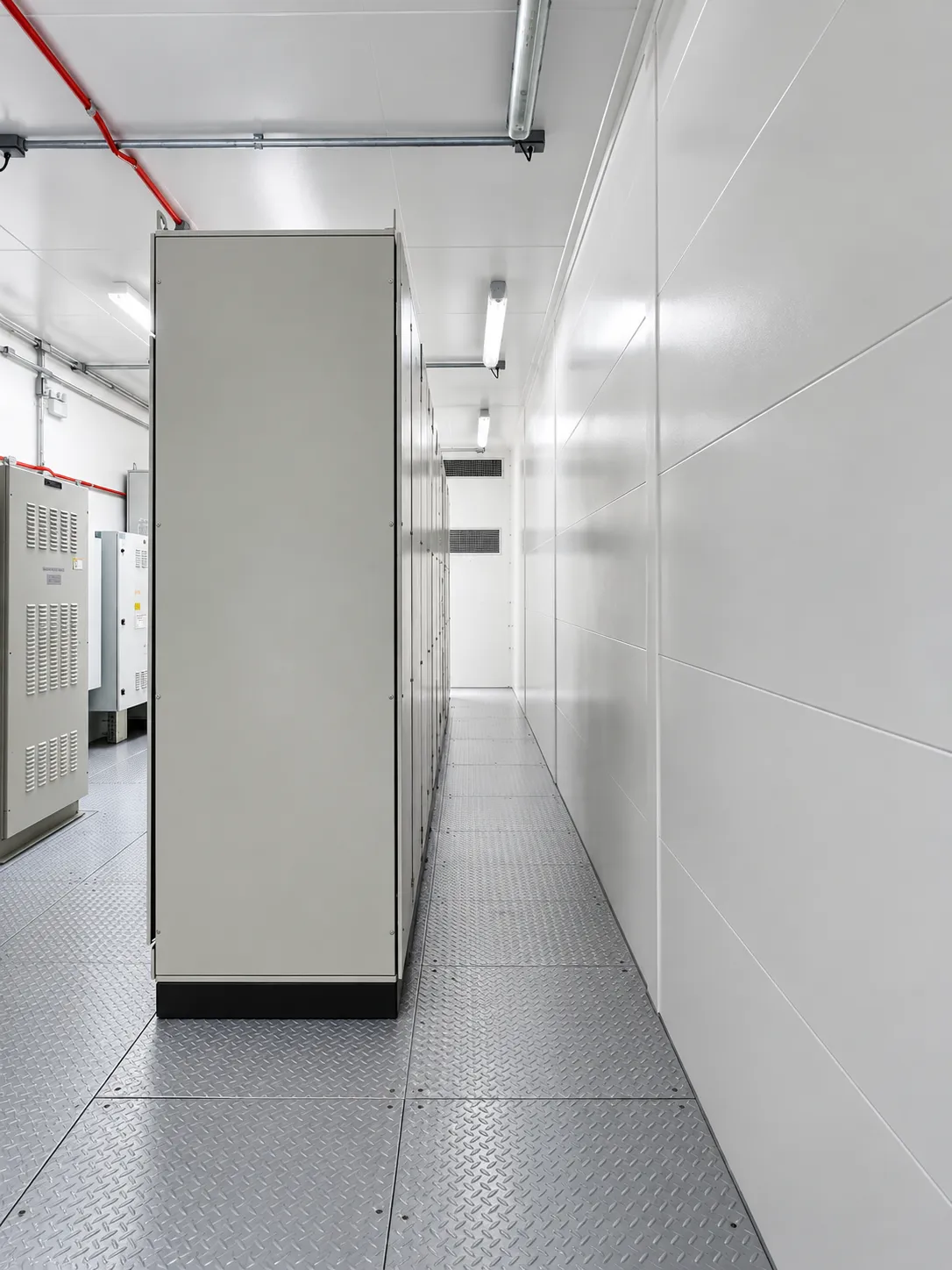
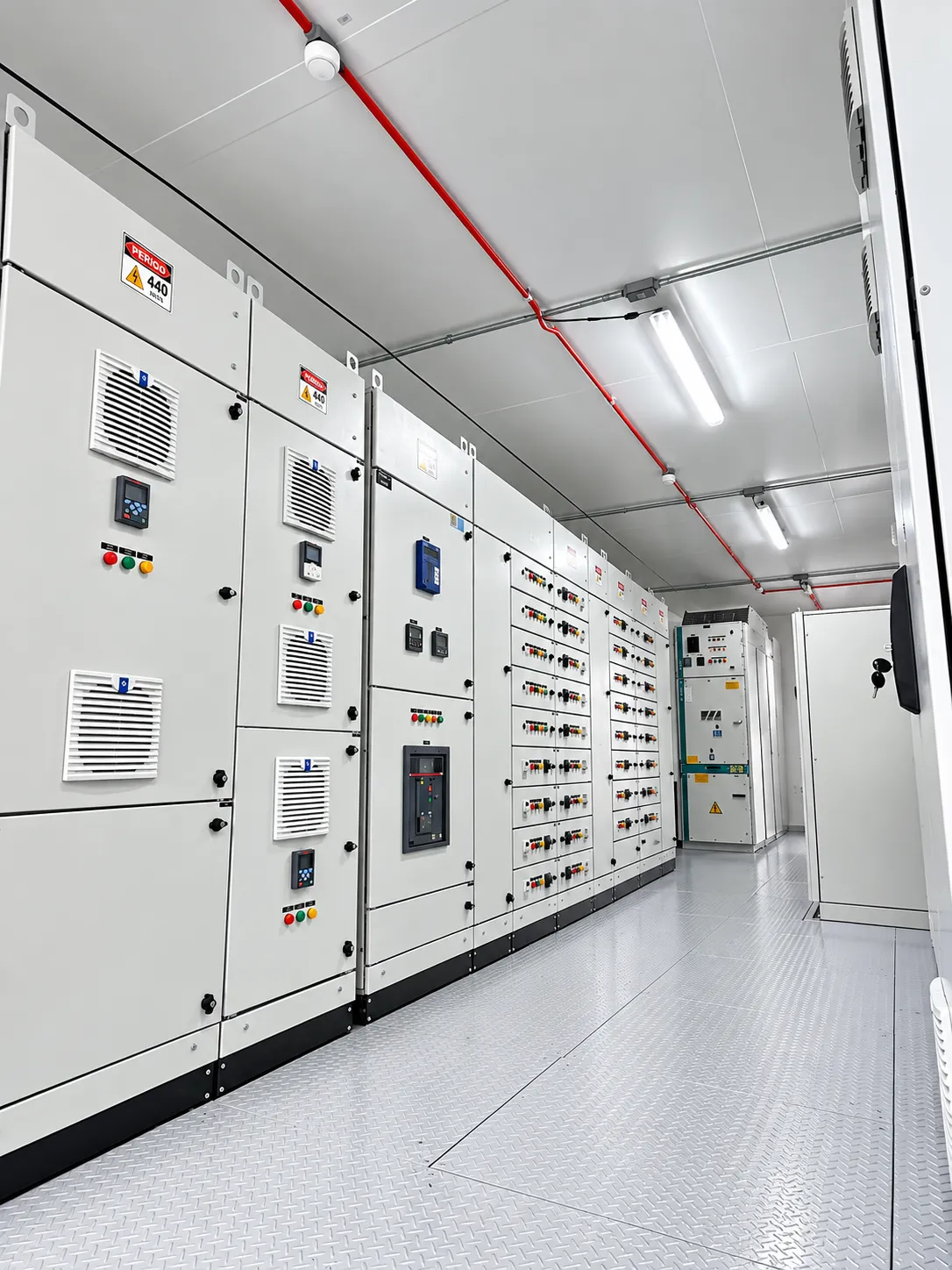
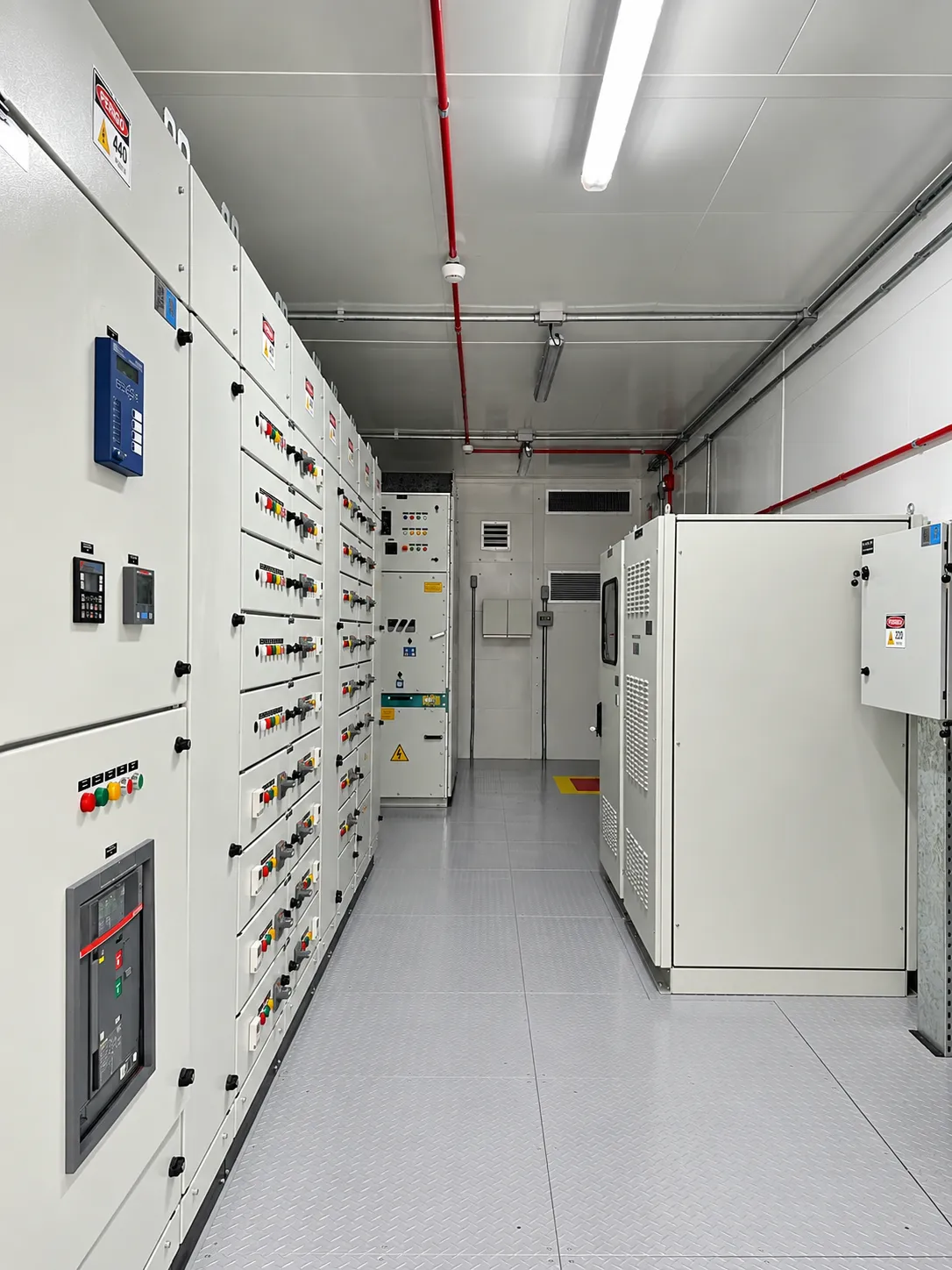
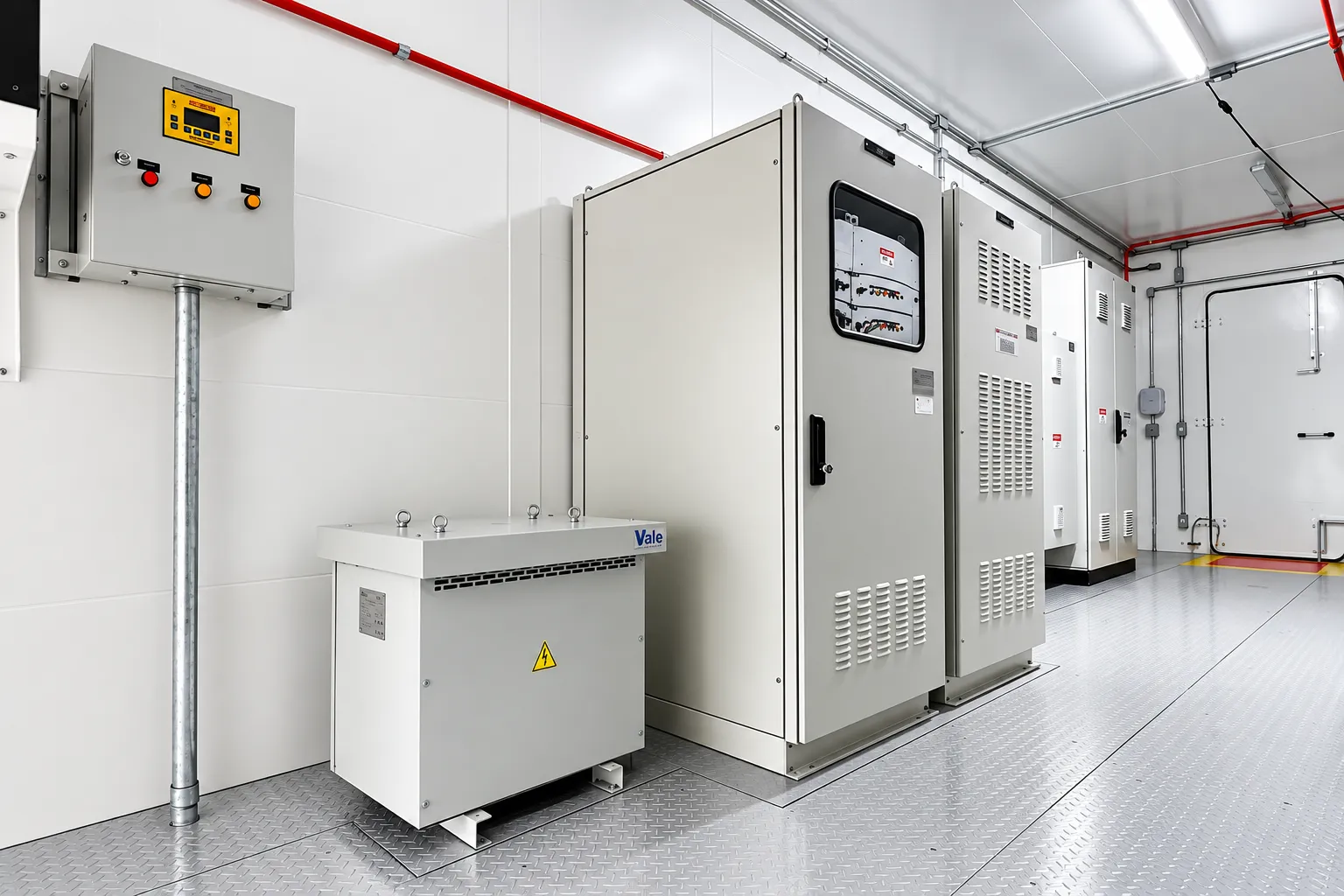
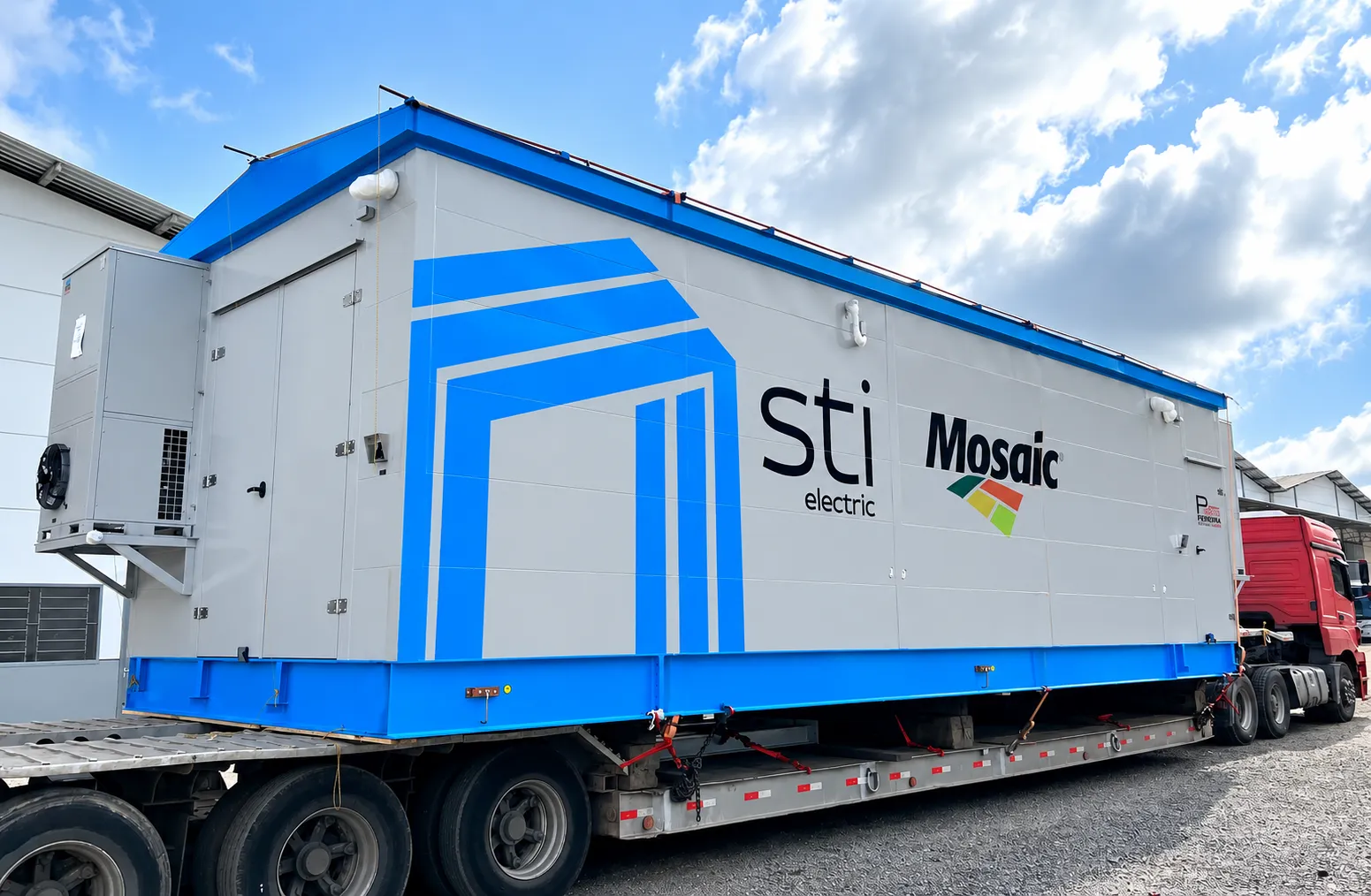
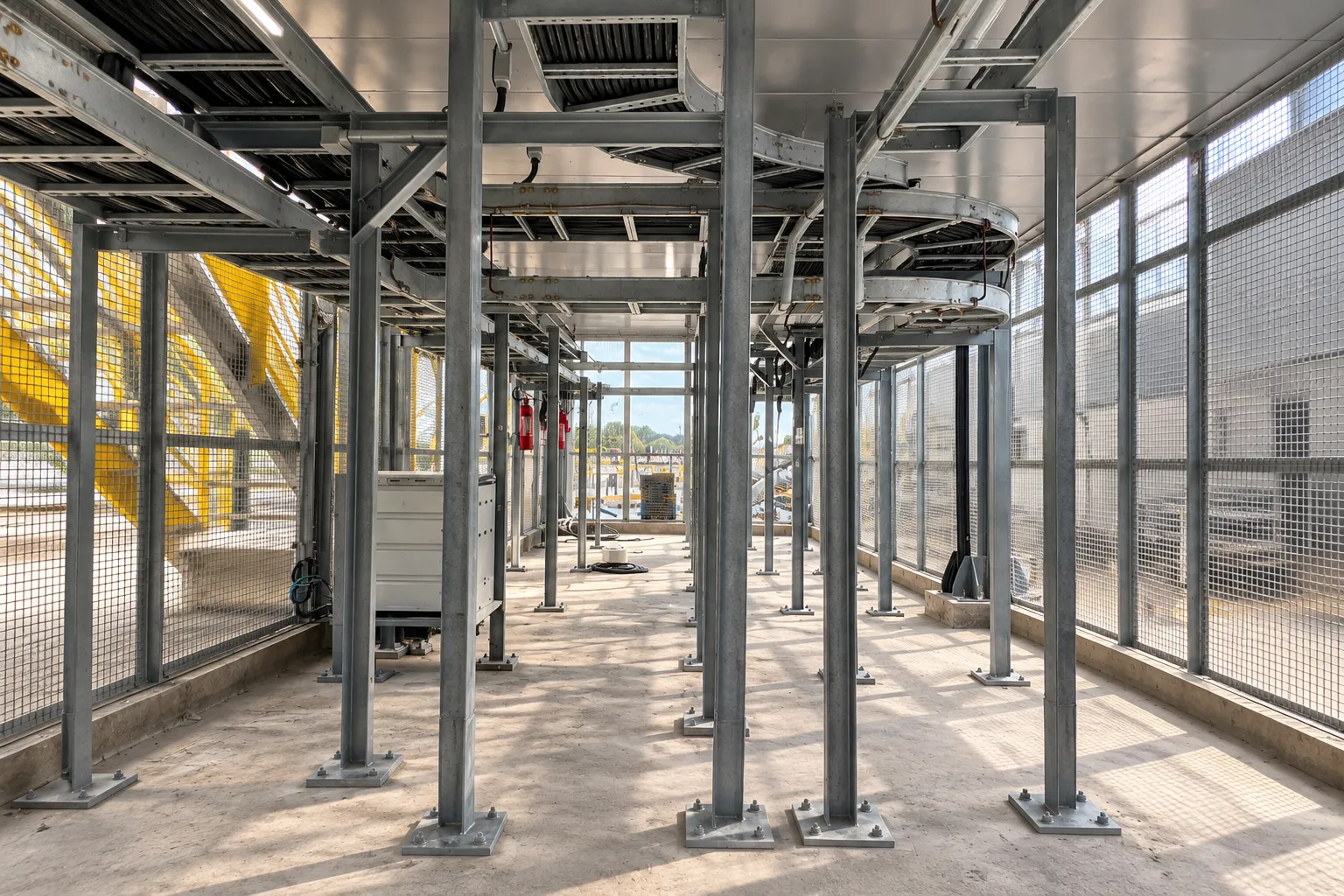
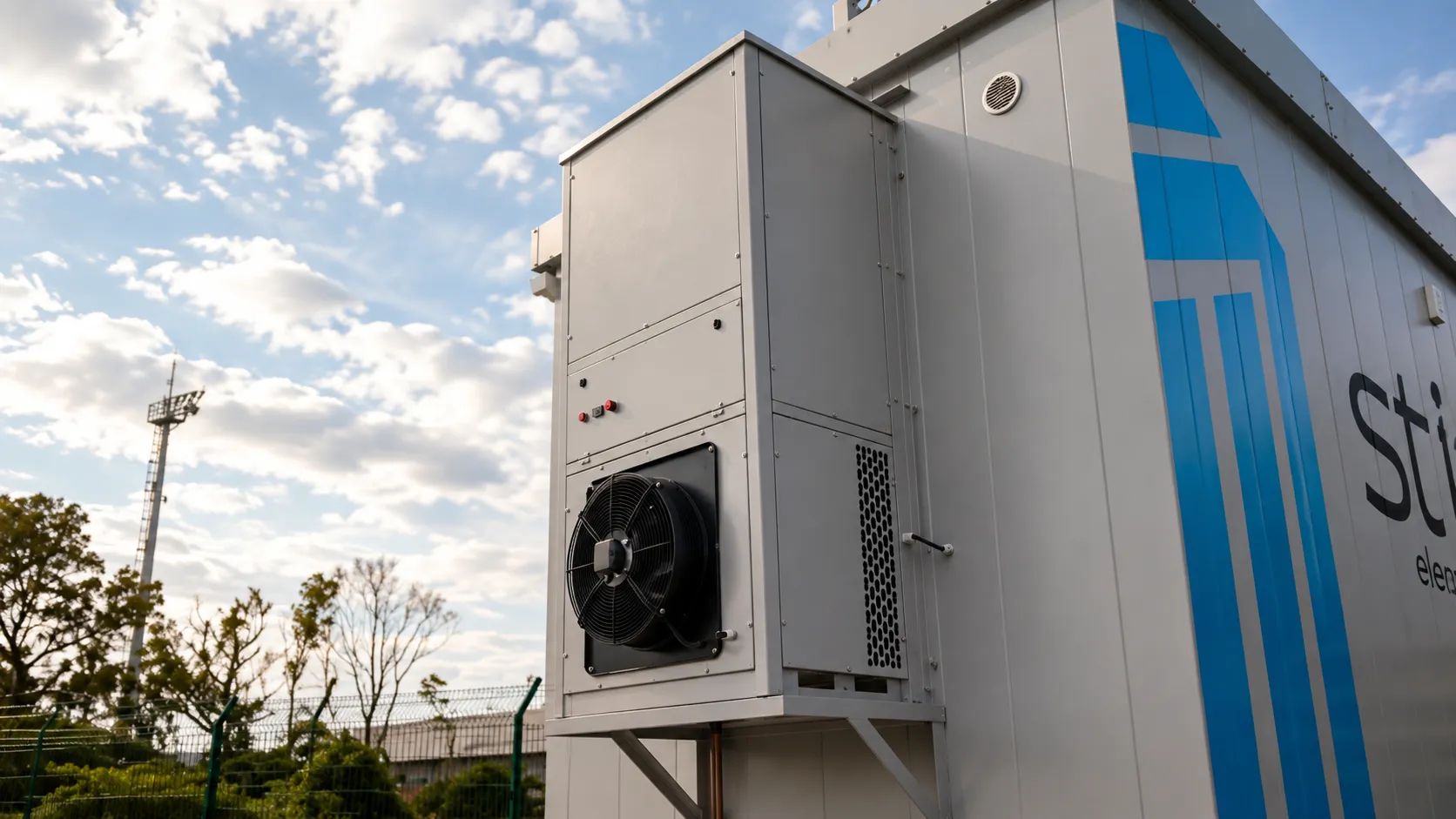
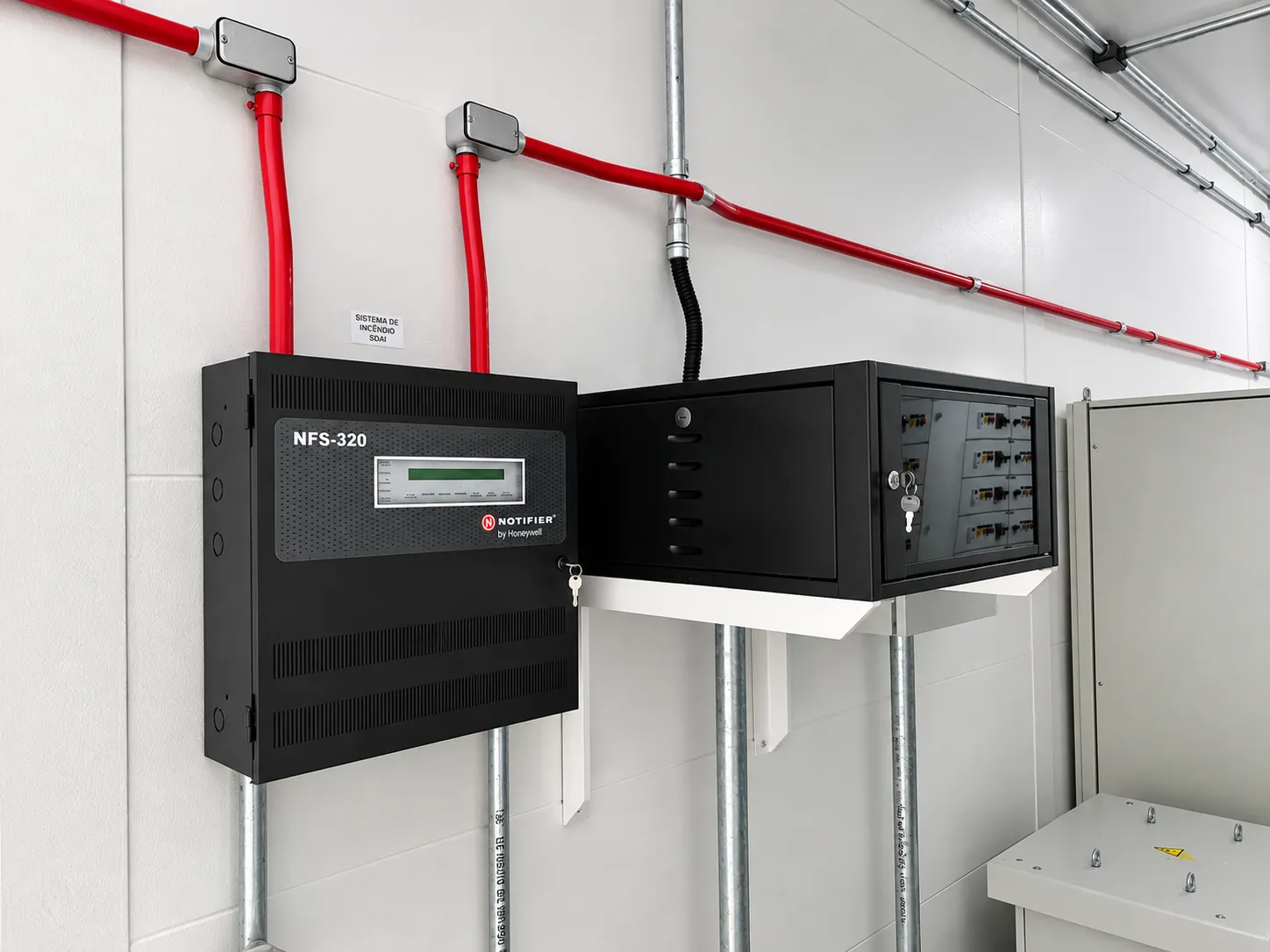
Every e-house starts with an understanding of the plant it will serve: loads, voltage, environment, available space and mode of operation. From there, engineering, manufacturing and integration are handled by a single supplier.
The process starts with a load survey and the definition of the room layout. Next, the structure, panels and auxiliary systems are detailed. Once approved, the project moves on to manufacturing, assembly, integration, factory testing, transportation and field installation.
Lead time depends on the size of the room, the amount of equipment and component availability. Because assembly runs in parallel with civil works on the job site, an e-house usually shortens the overall deployment schedule compared with a masonry room.
Pricing varies with dimensions, power rating, number of panels, auxiliary systems and transportation conditions. When comparing options, factor in the savings on civil works, field labor, mobilization and materials management.
A masonry room requires civil works, coordination of multiple suppliers and integration on the job site. An e-house arrives ready, tested and commissioned, can be relocated when needed, and places responsibility with a single engineering team.
Installation requires foundations or piers to support the structure, access for a truck and crane, and defined interfaces for cables and busbars. Settling these points at the design stage makes it possible to lift, place and energize the room with only a few work fronts.
We develop modular e-houses that bring power, protection and control to any point of the plant, from engineering to manufacturing, with testing and commissioning before delivery.
It is a prefabricated electrical room built on a steel structure that brings together medium- and low-voltage panels, transformers, automation, HVAC and fire protection in a single package, assembled and tested at the factory.
Shorter schedule and lower construction cost, less labor and interference in the field, a single engineering team responsible for integration, testing completed before delivery, and the option to relocate the room.
Yes. MSE has its own manufacturing through STI Electric, in Londrina/PR, integrating structure, panels, auxiliary systems, testing and commissioning.
The e-house is transported by truck and lifted by crane onto the foundations specified in the design. On site, all that remains is cable connection, final checks and energization.
If available, send the single-line diagram, load list, operating voltage, installation site and access conditions. Also let us know which systems you need (automation, fire protection, CCTV) and your target timeline.

