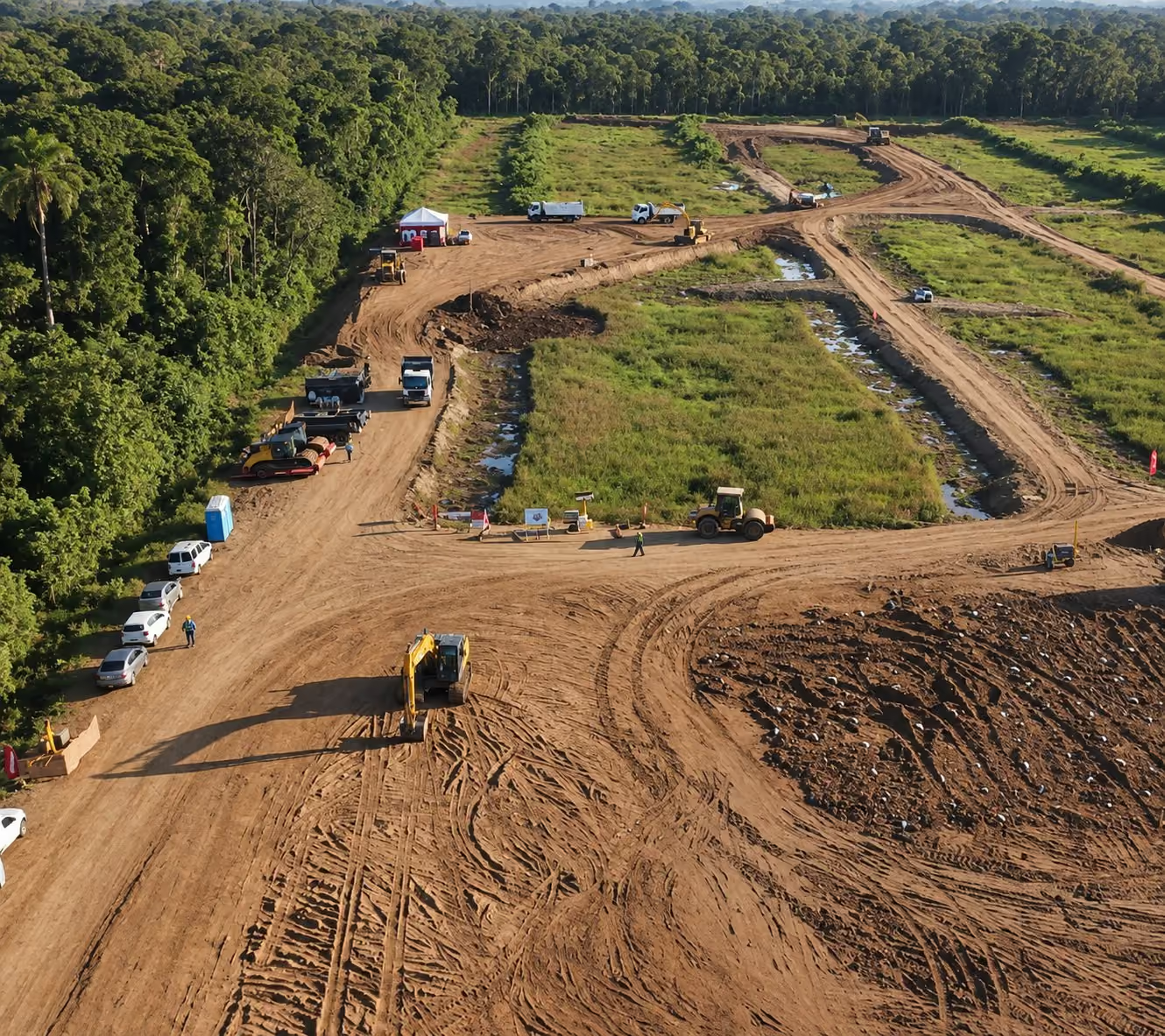
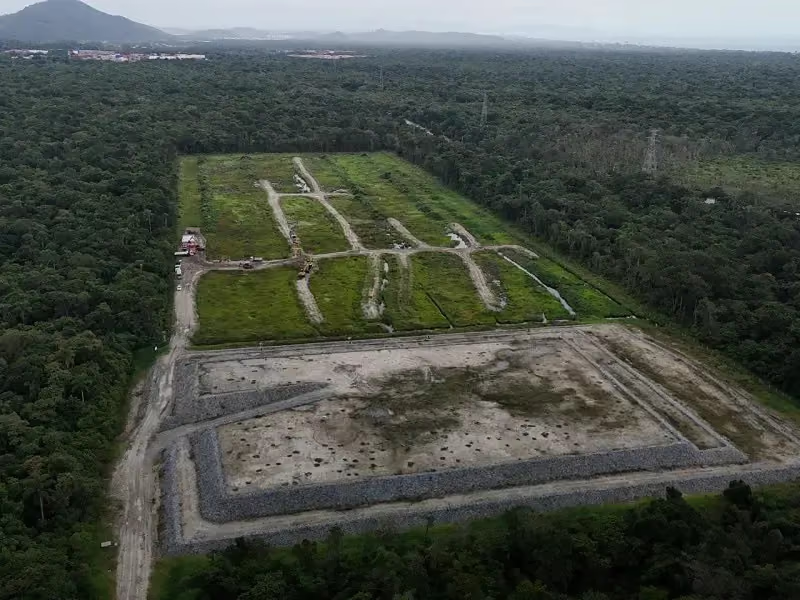
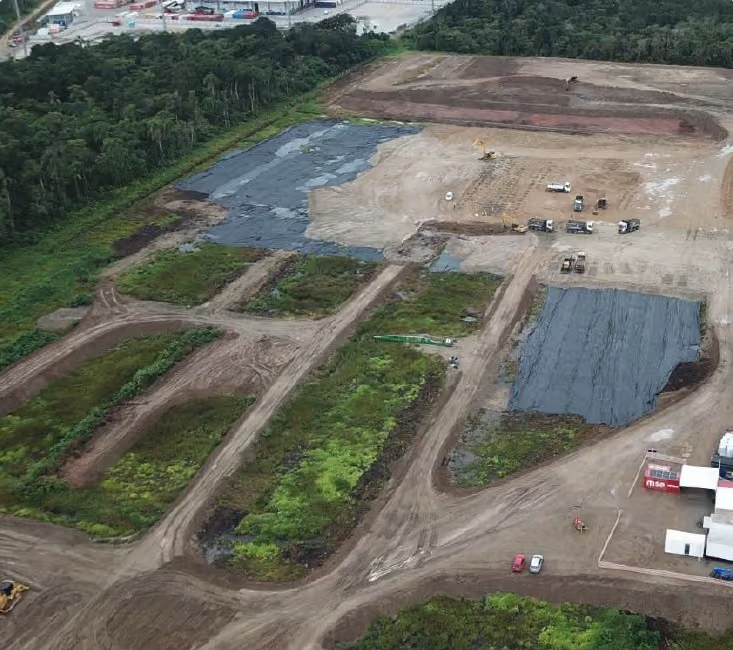
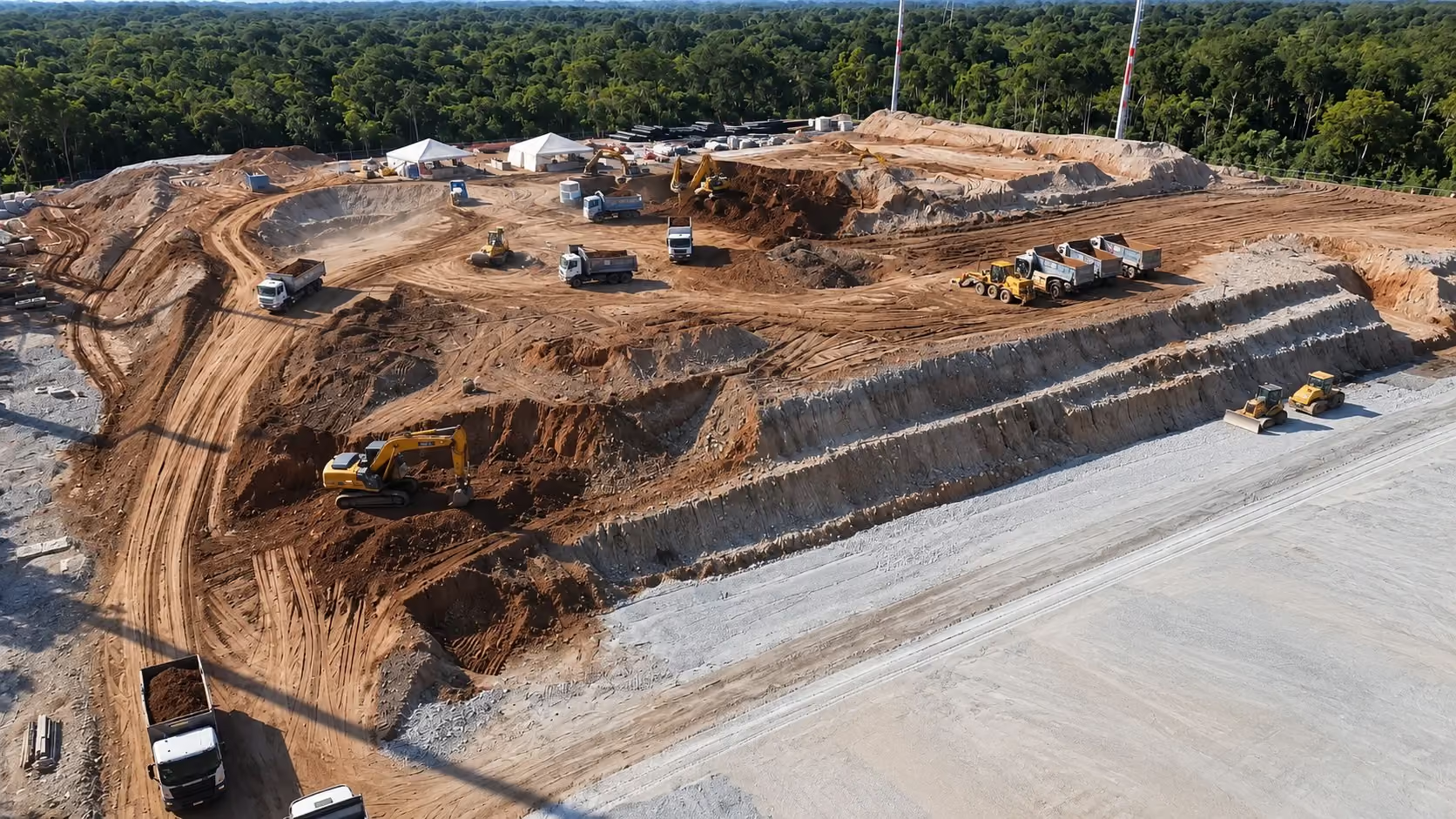
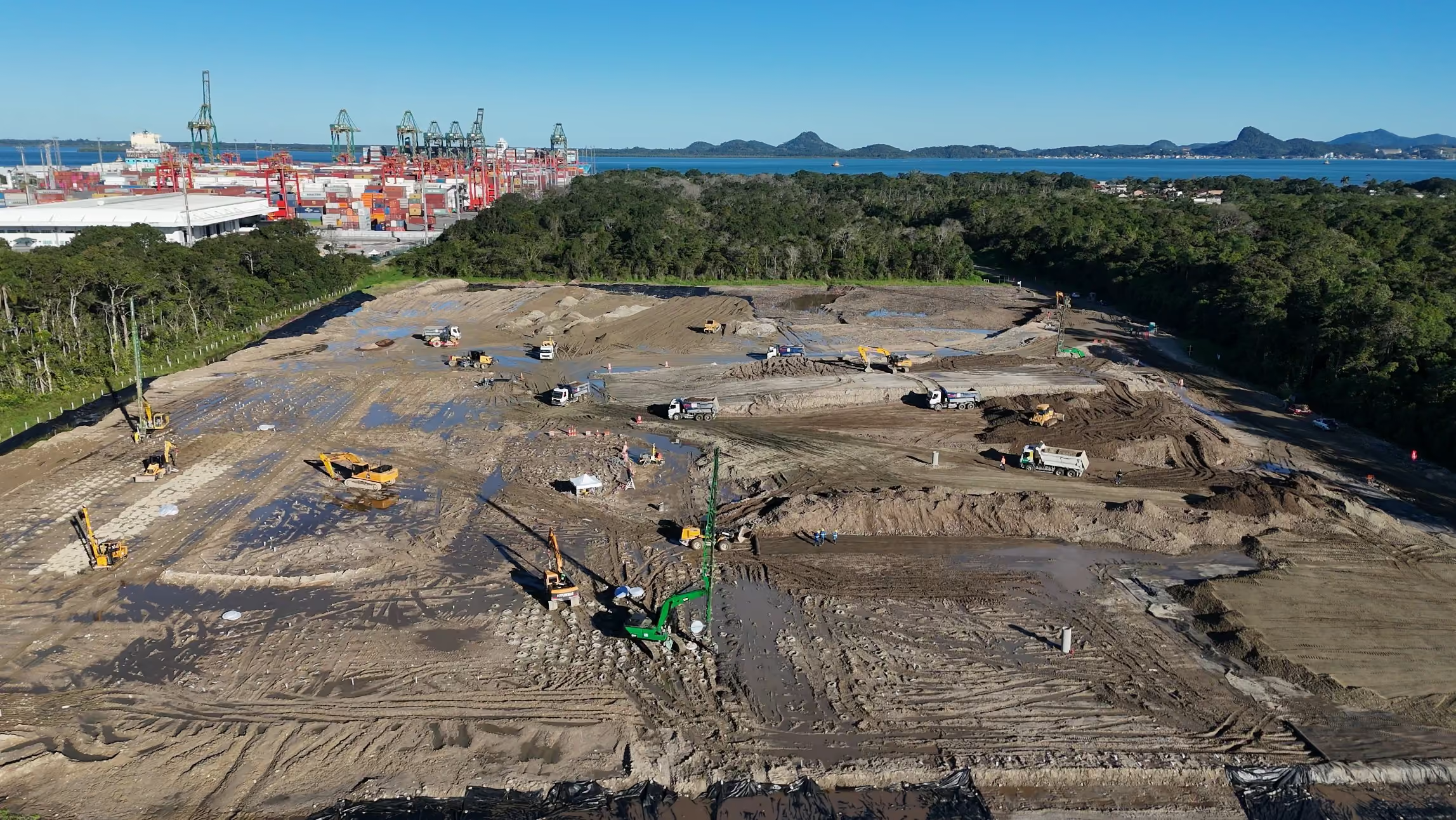
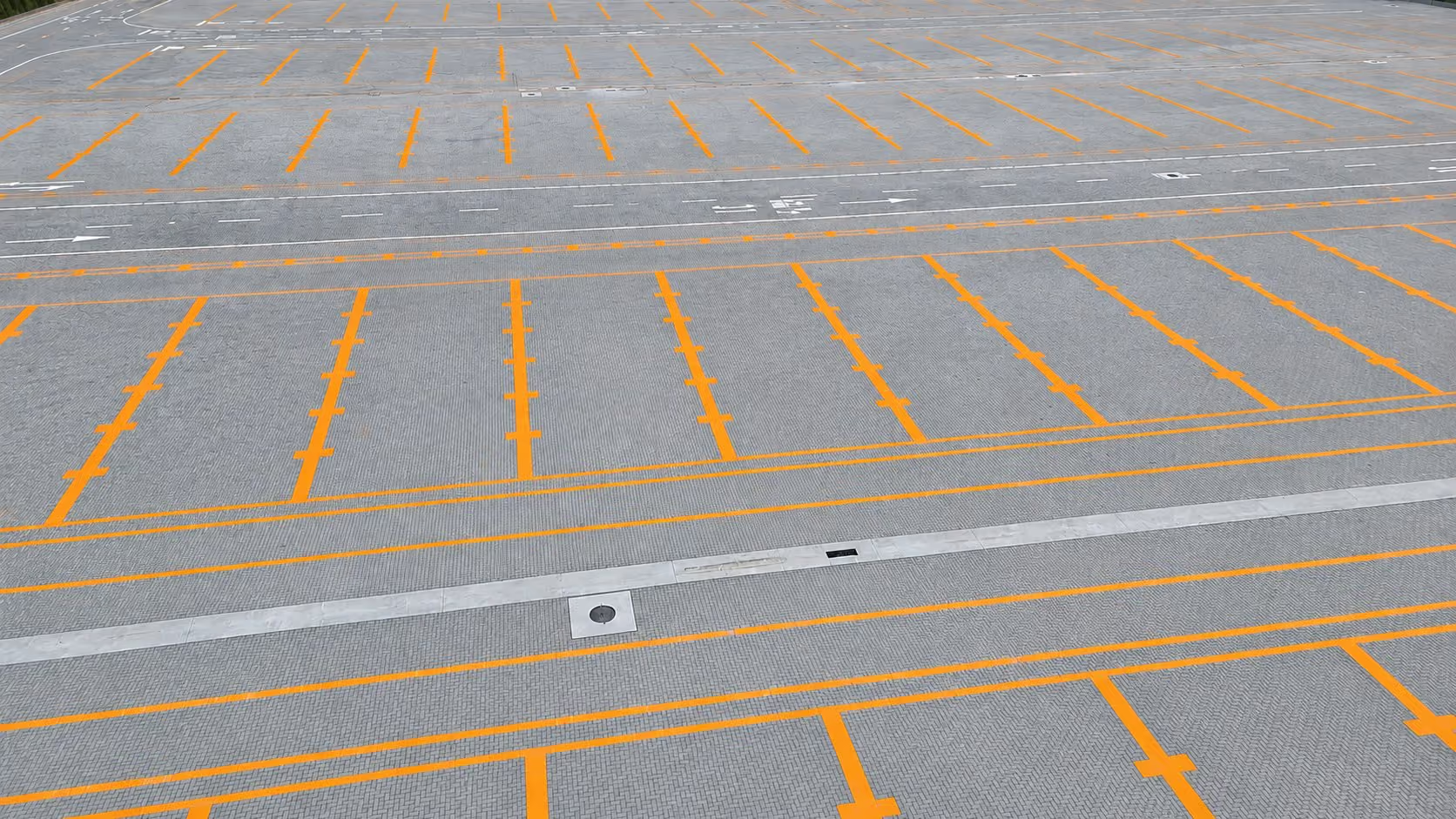
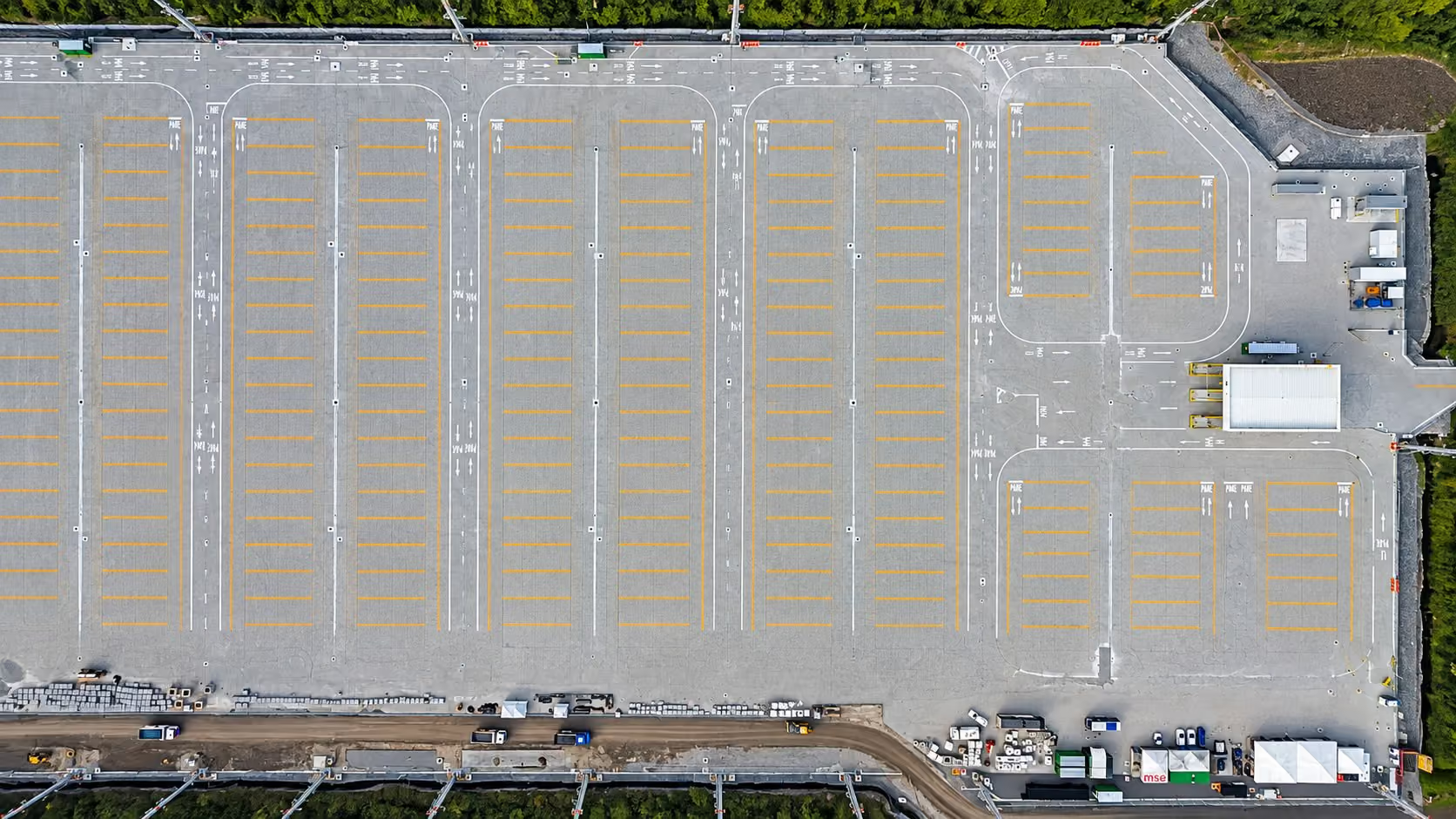
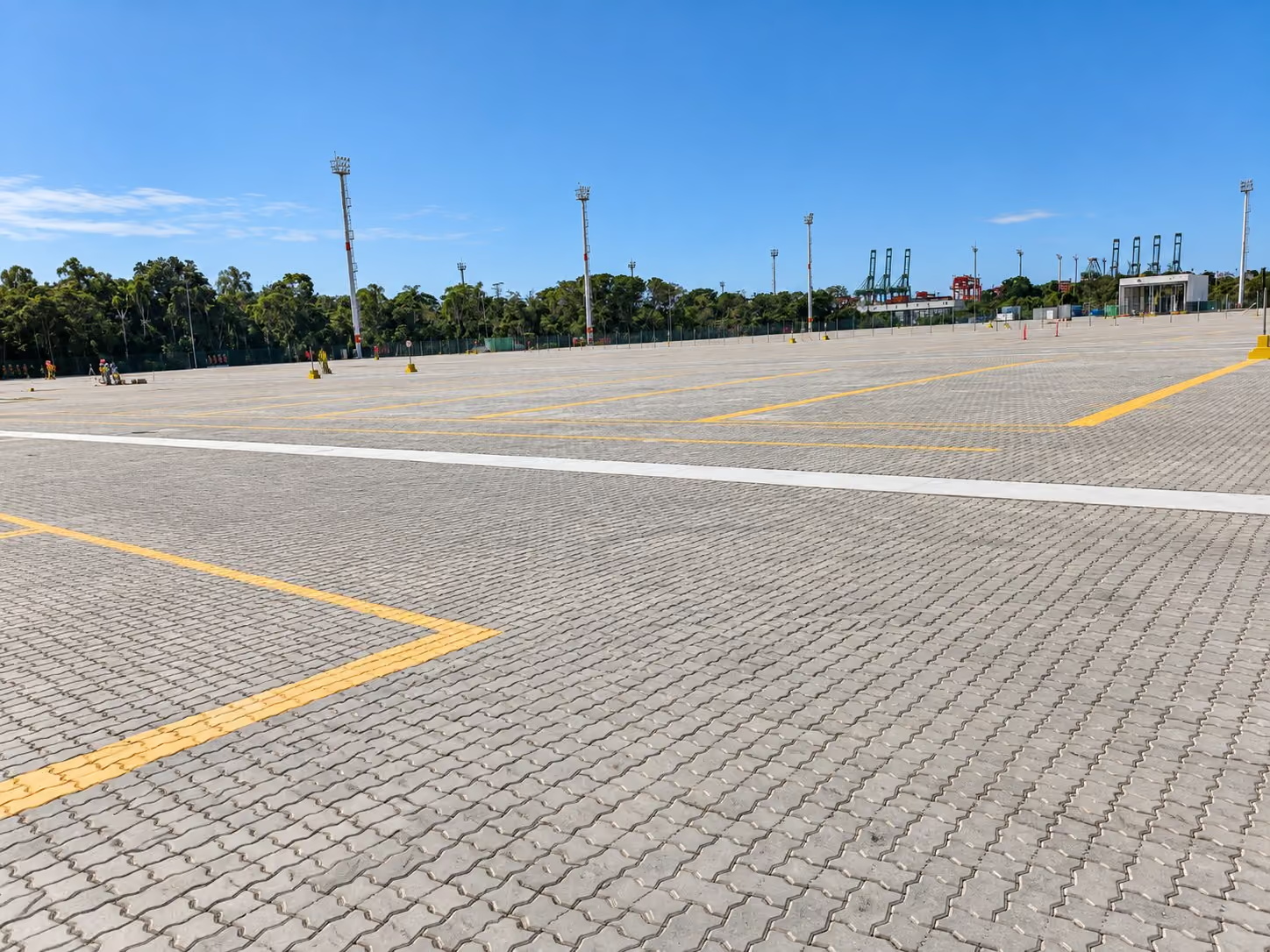
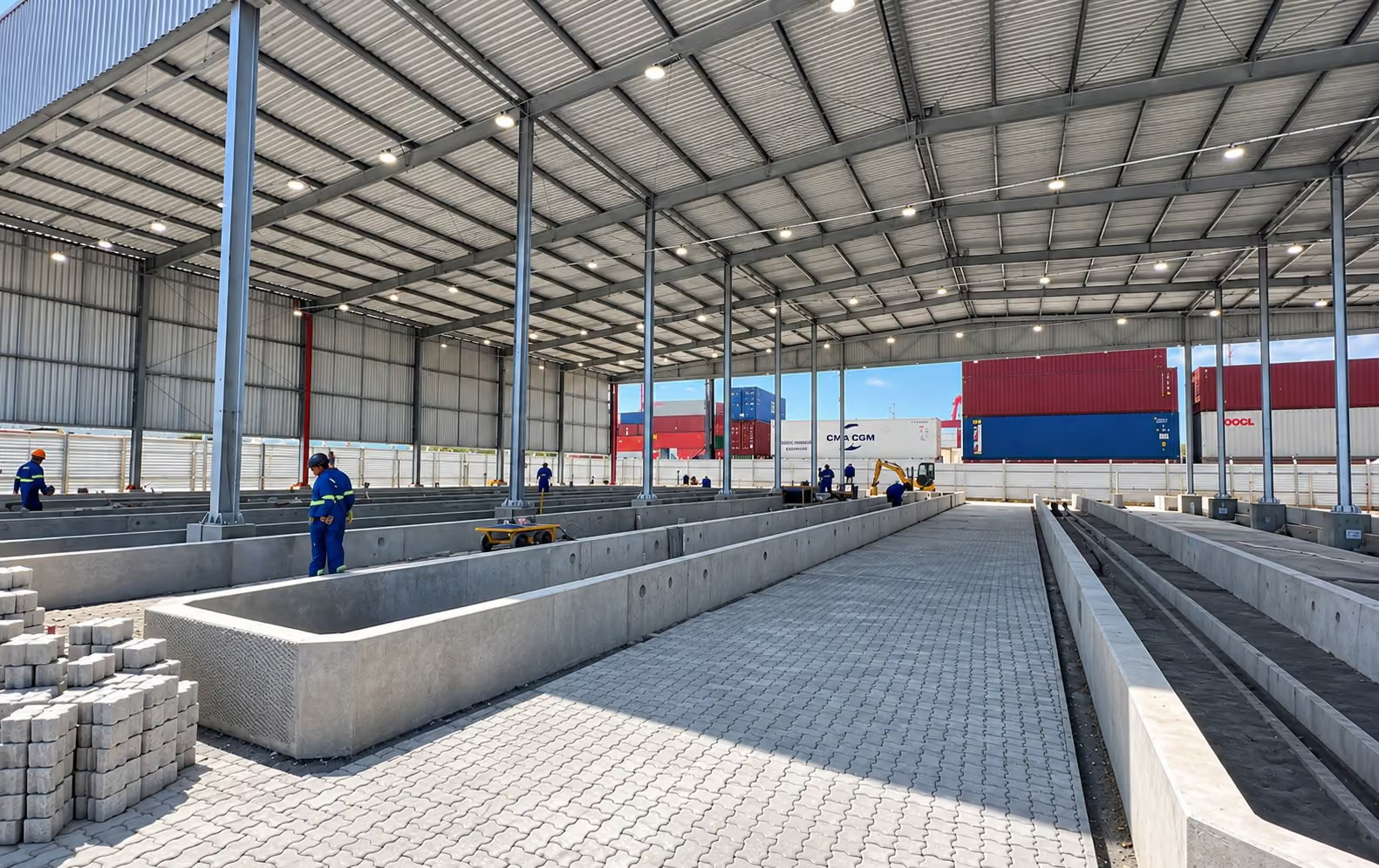
Earthworks, drainage and infrastructure for Phase IV of the Porto Itapoá expansion in Itapoá (SC), executed by MSE Engenharia with its own fleet.
Site ready on the project schedule
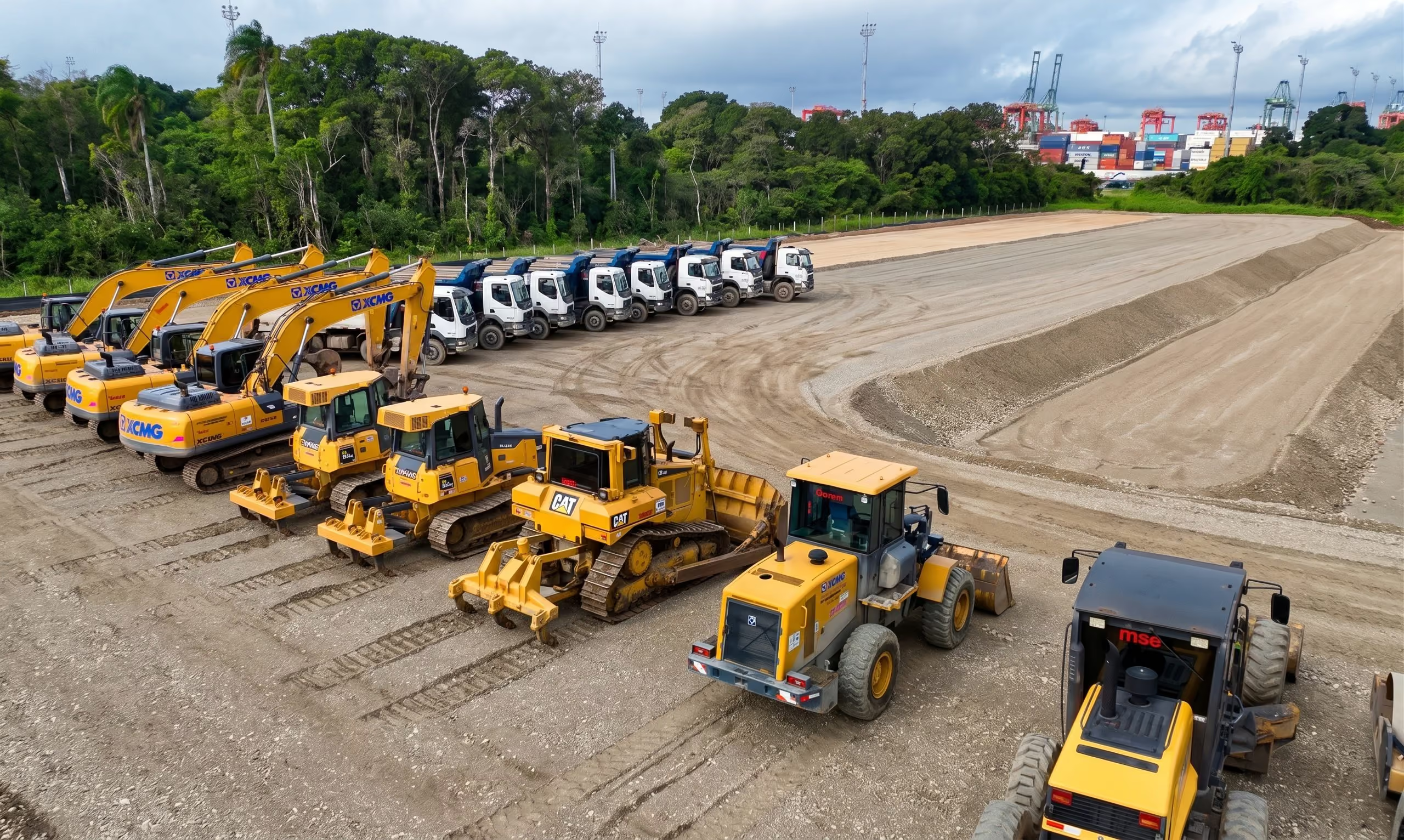
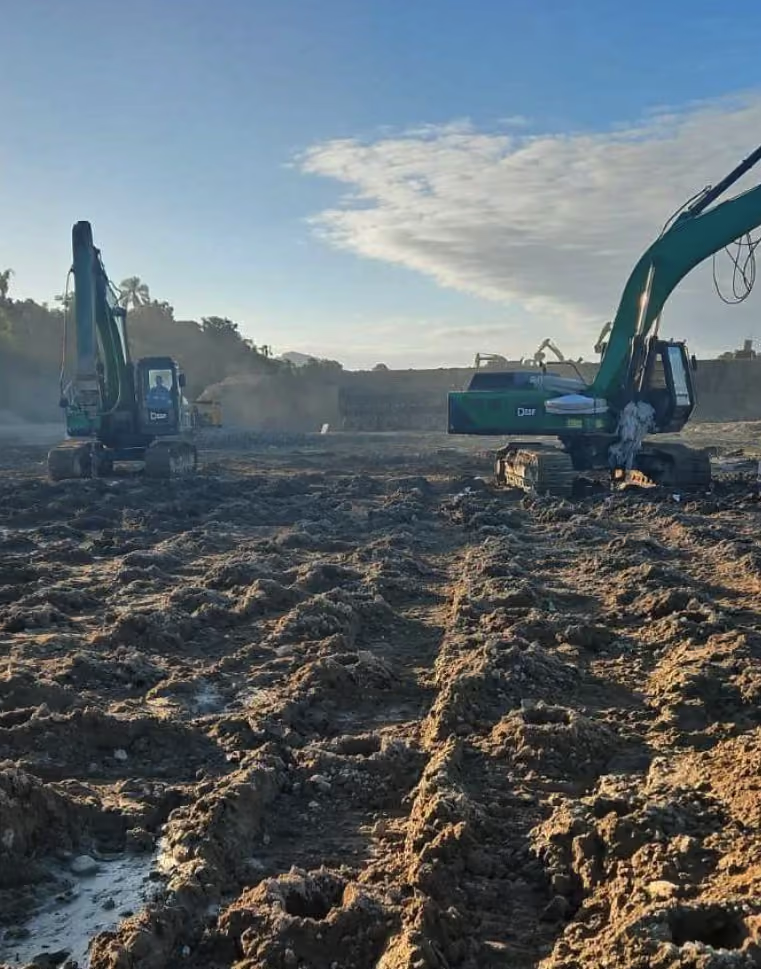
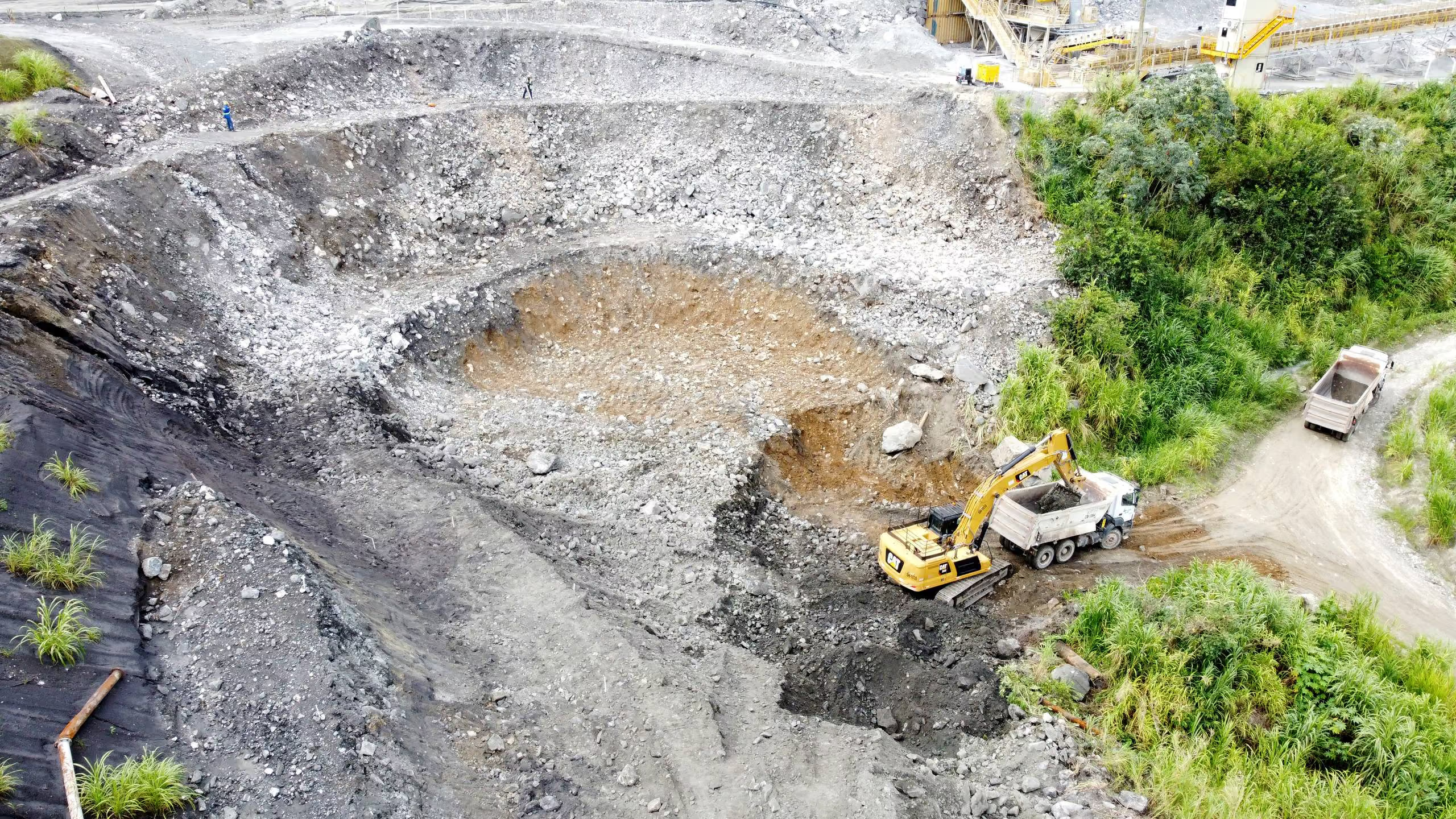
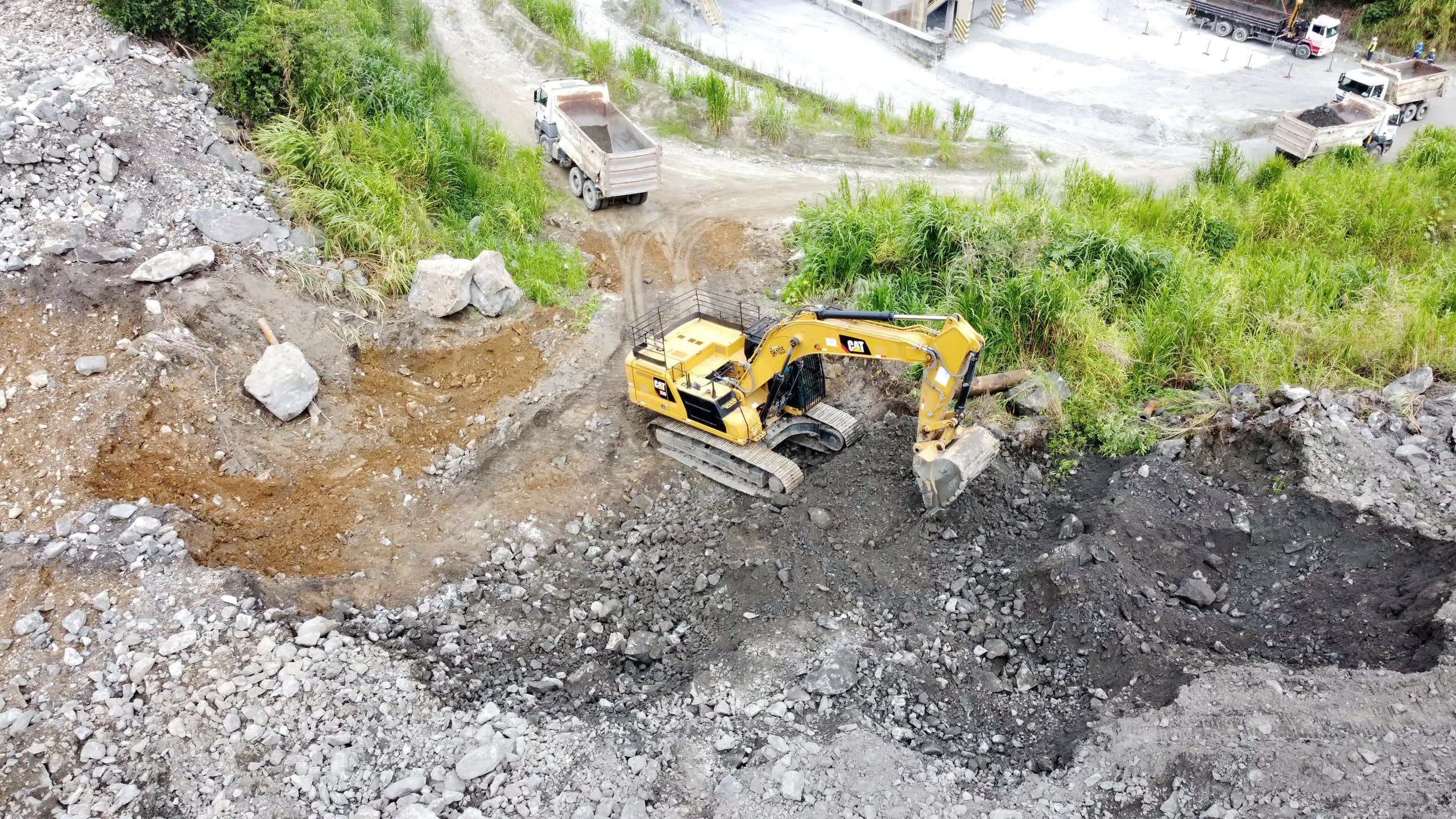
Earthworks is the first front on the schedule and the one that delays a project most when it fails. With 47 years of industrial projects, MSE treats earth moving as part of the engineering, not an isolated service: the same team that designs and builds is accountable for the ground. Excavators, bulldozers, motor graders, wheel loaders, compaction rollers and dump trucks are ours, which means fast mobilization, up-to-date maintenance and productivity that does not depend on rental companies.
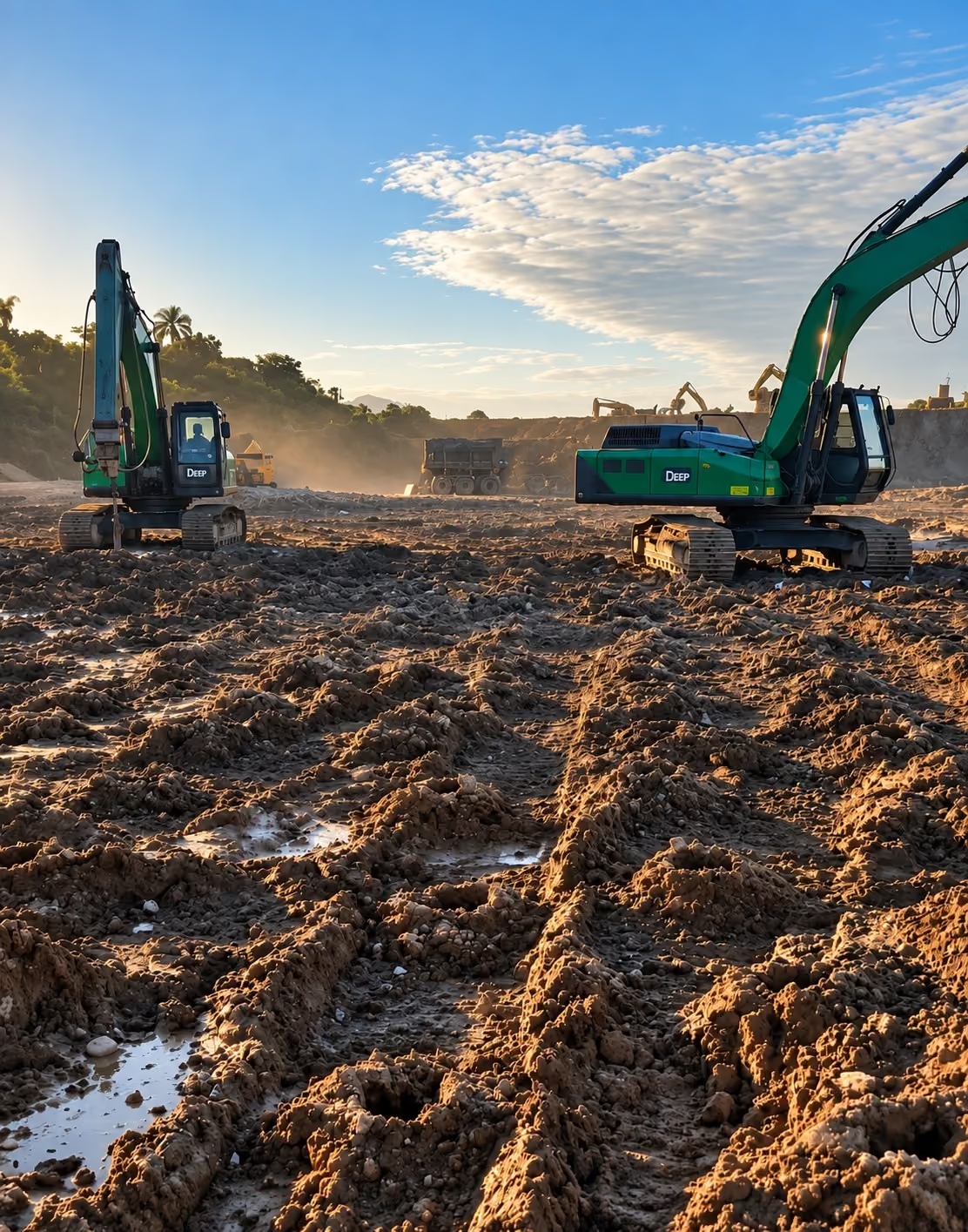
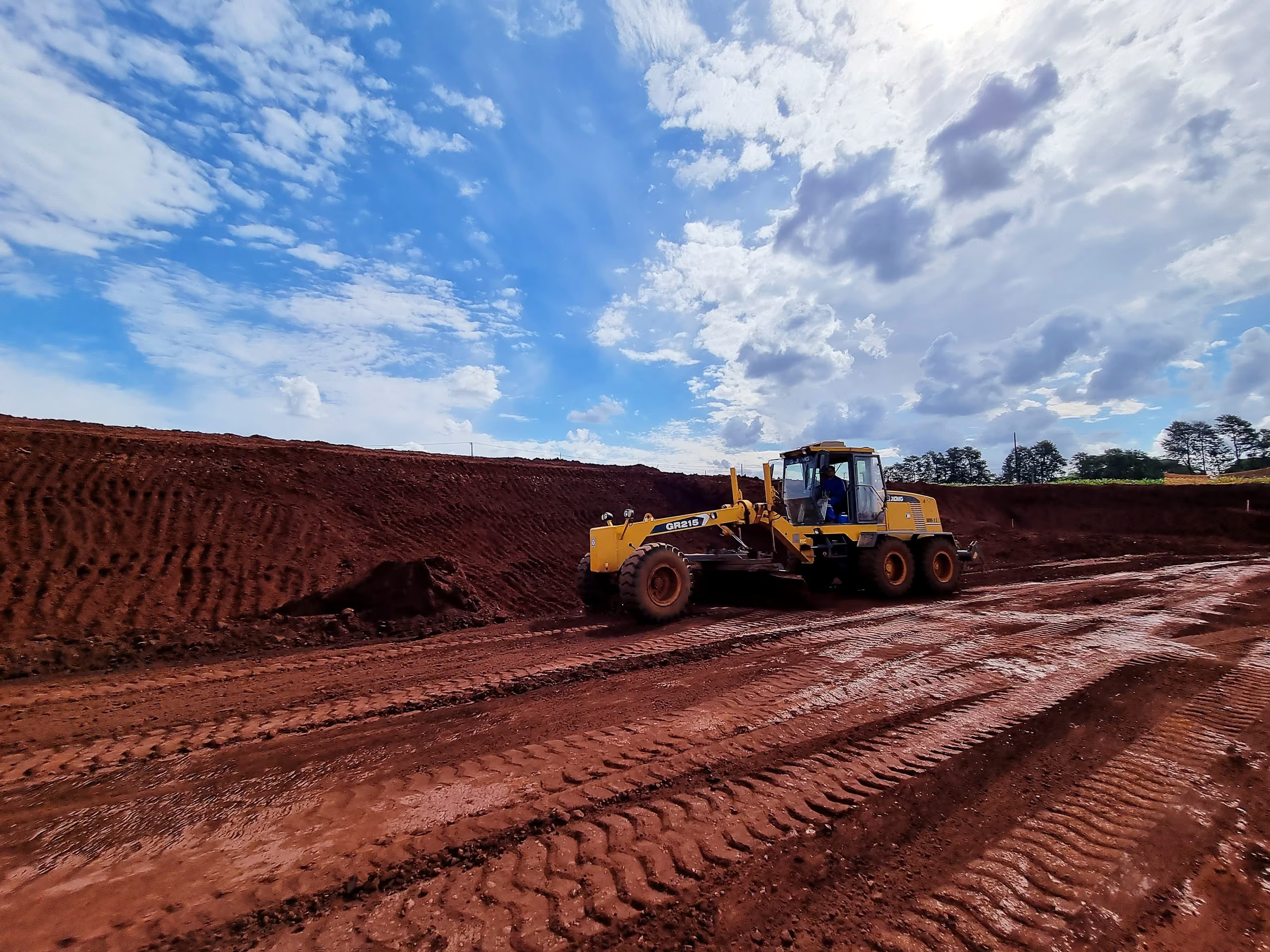
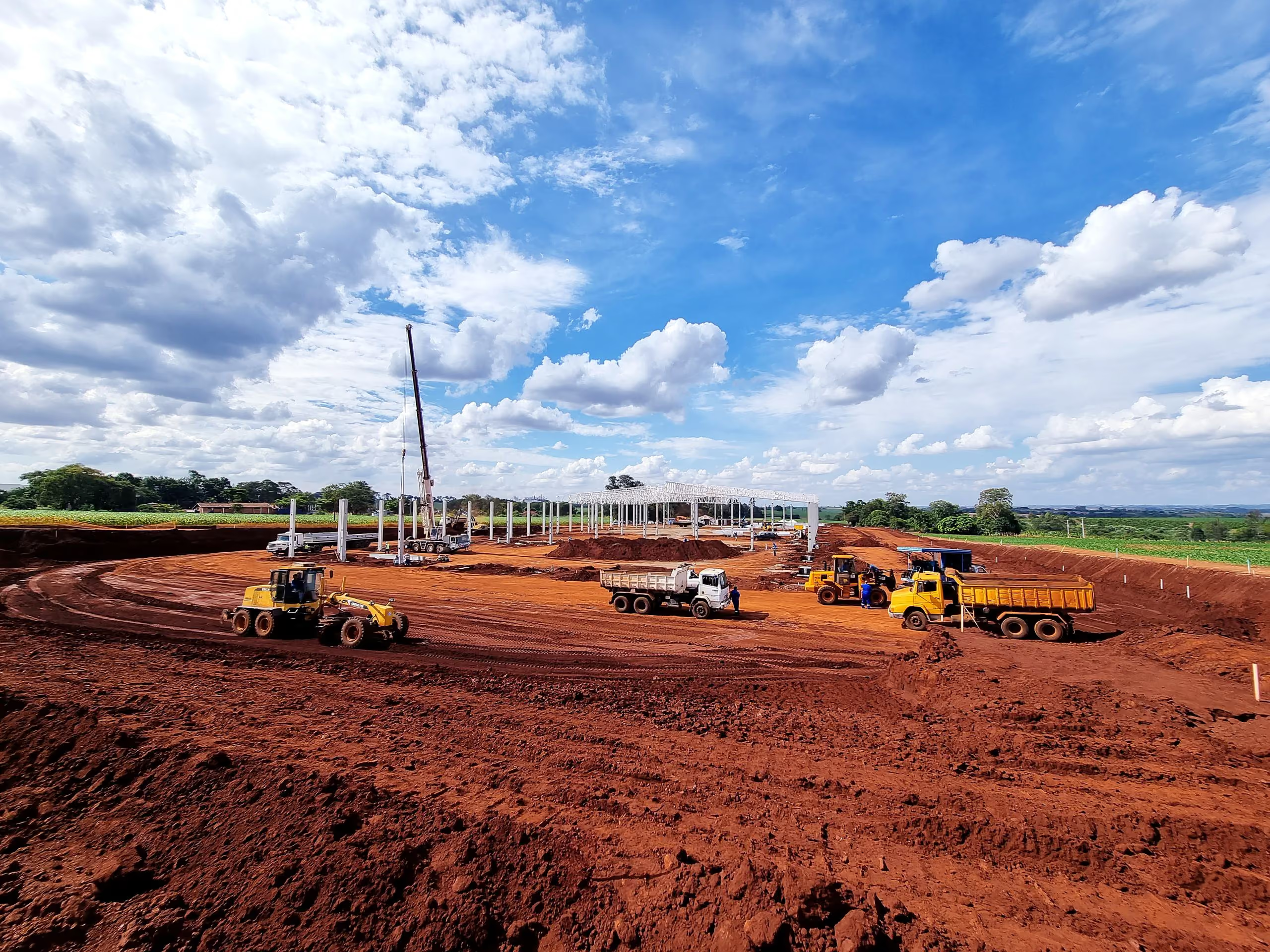
Own Fleet
MSE's complete heavy equipment line: excavators, dozers, graders, rollers and trucks, with our own operators.
Site Clearing and Preparation
Vegetation removal, grubbing and topsoil stripping, leaving the area ready for earth moving.
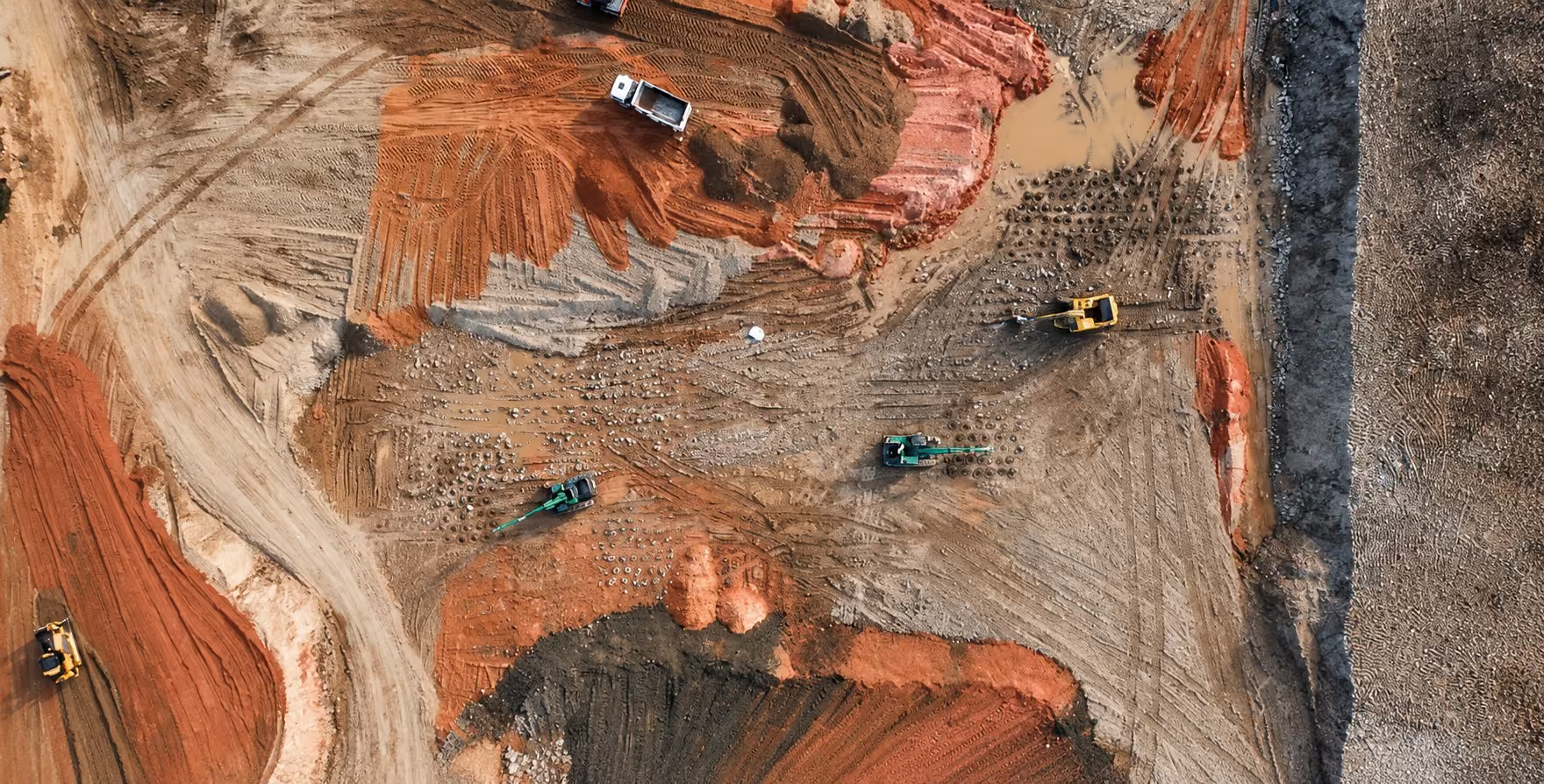
Cut and Fill
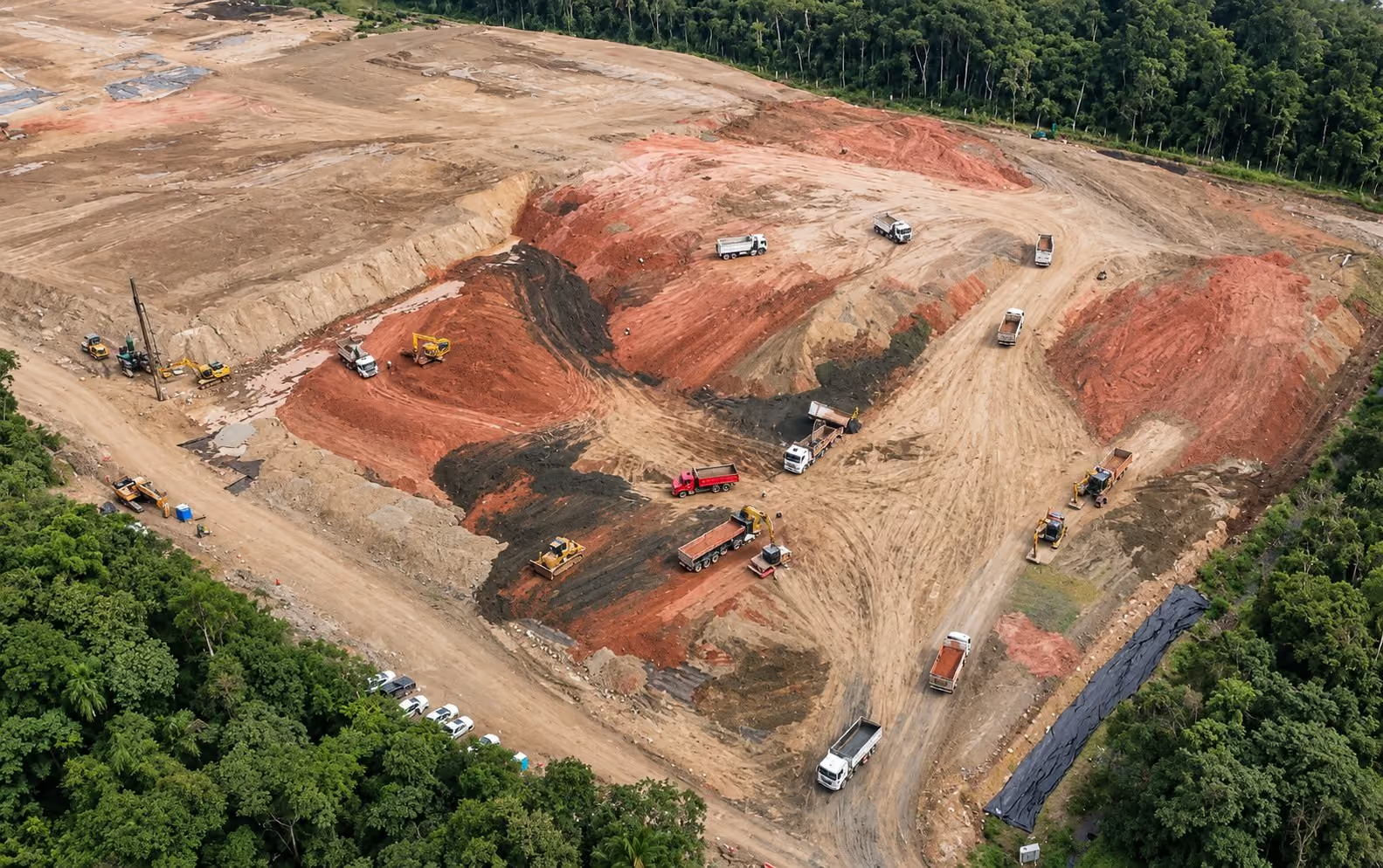
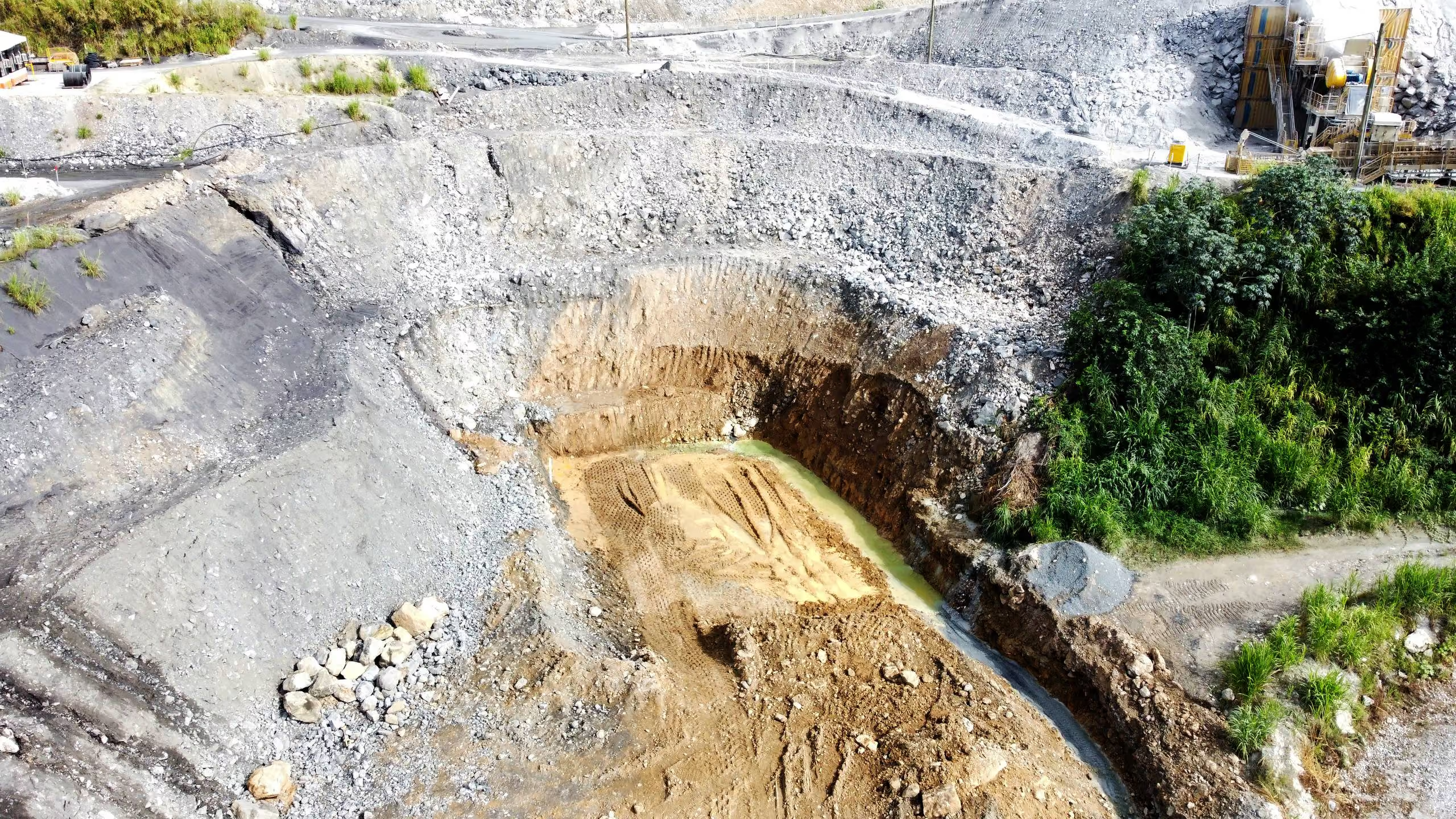
Excavation, hauling and compaction of soil to design elevations, with control of volumes and reusable material.
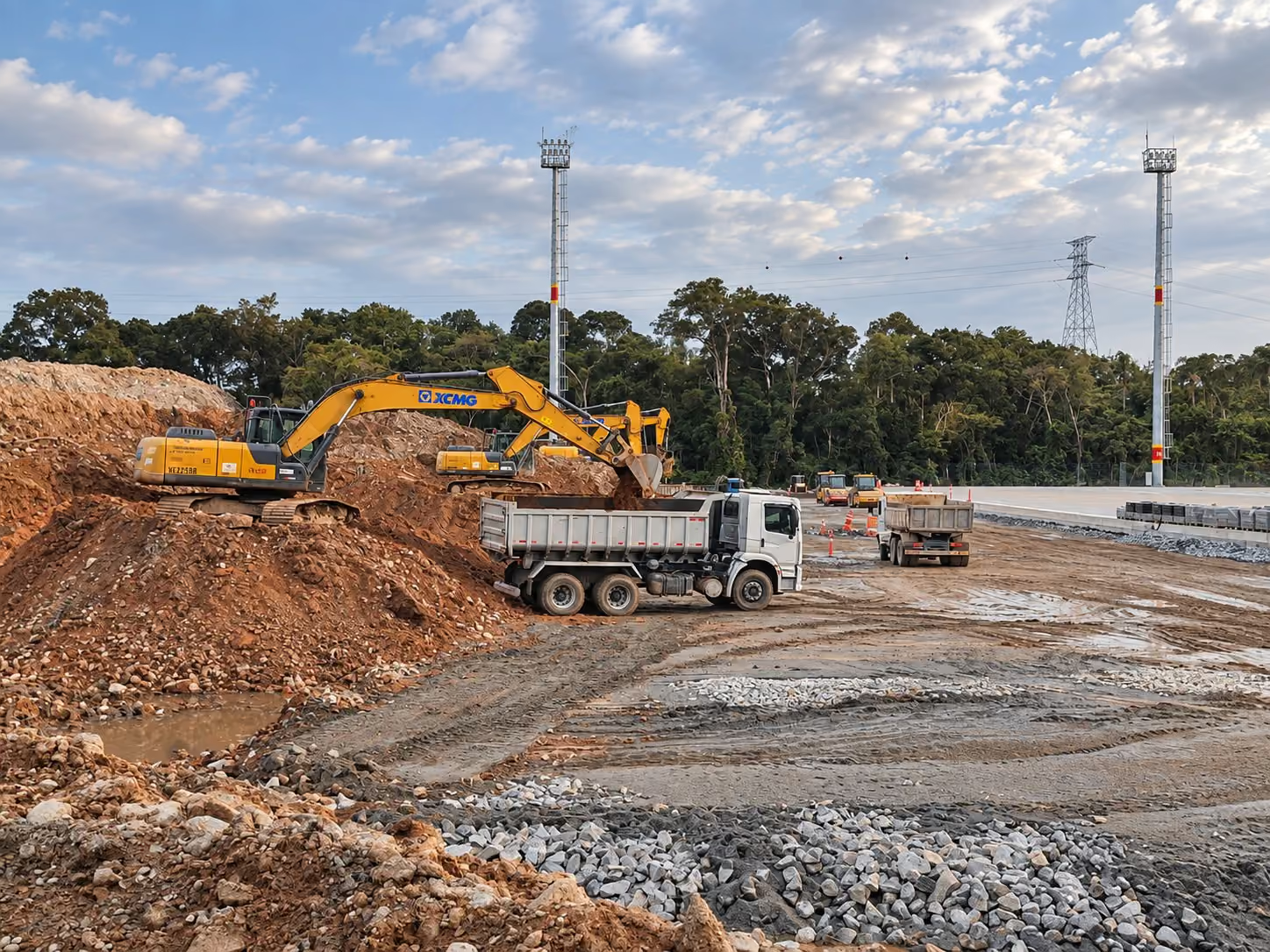
Controlled Compaction
Layered execution with vibratory rollers and control of the compaction degree specified in the design.
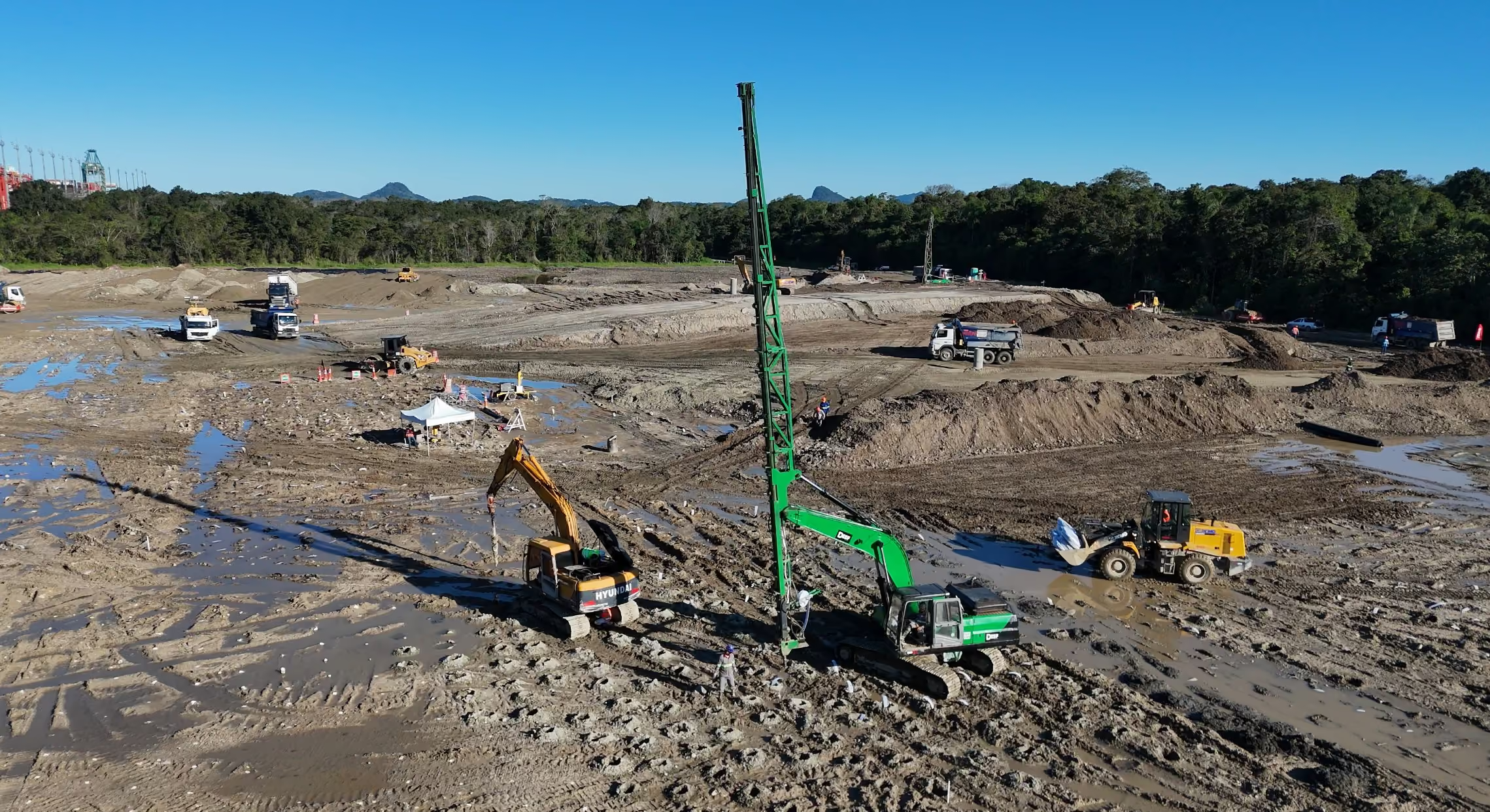
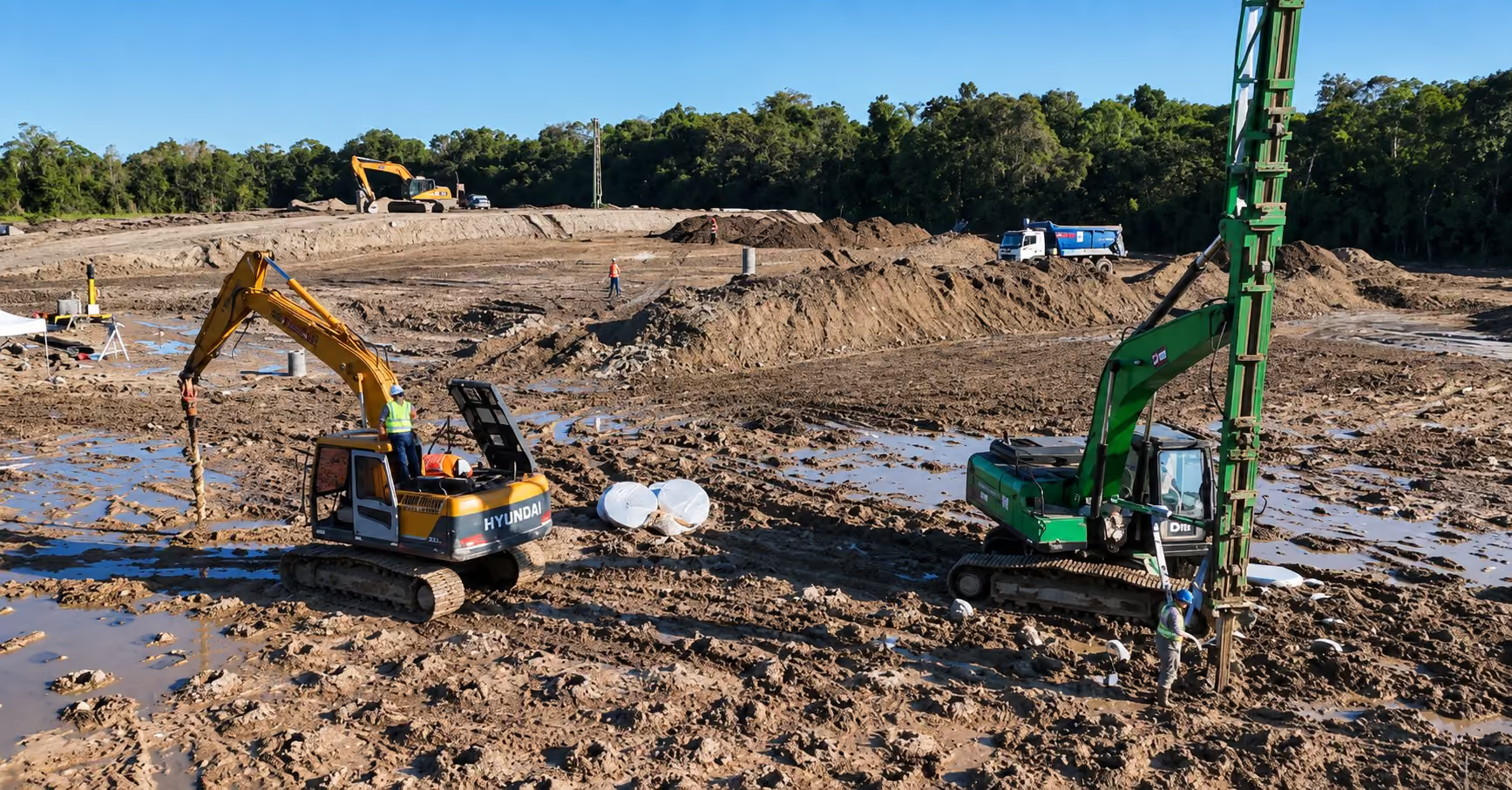
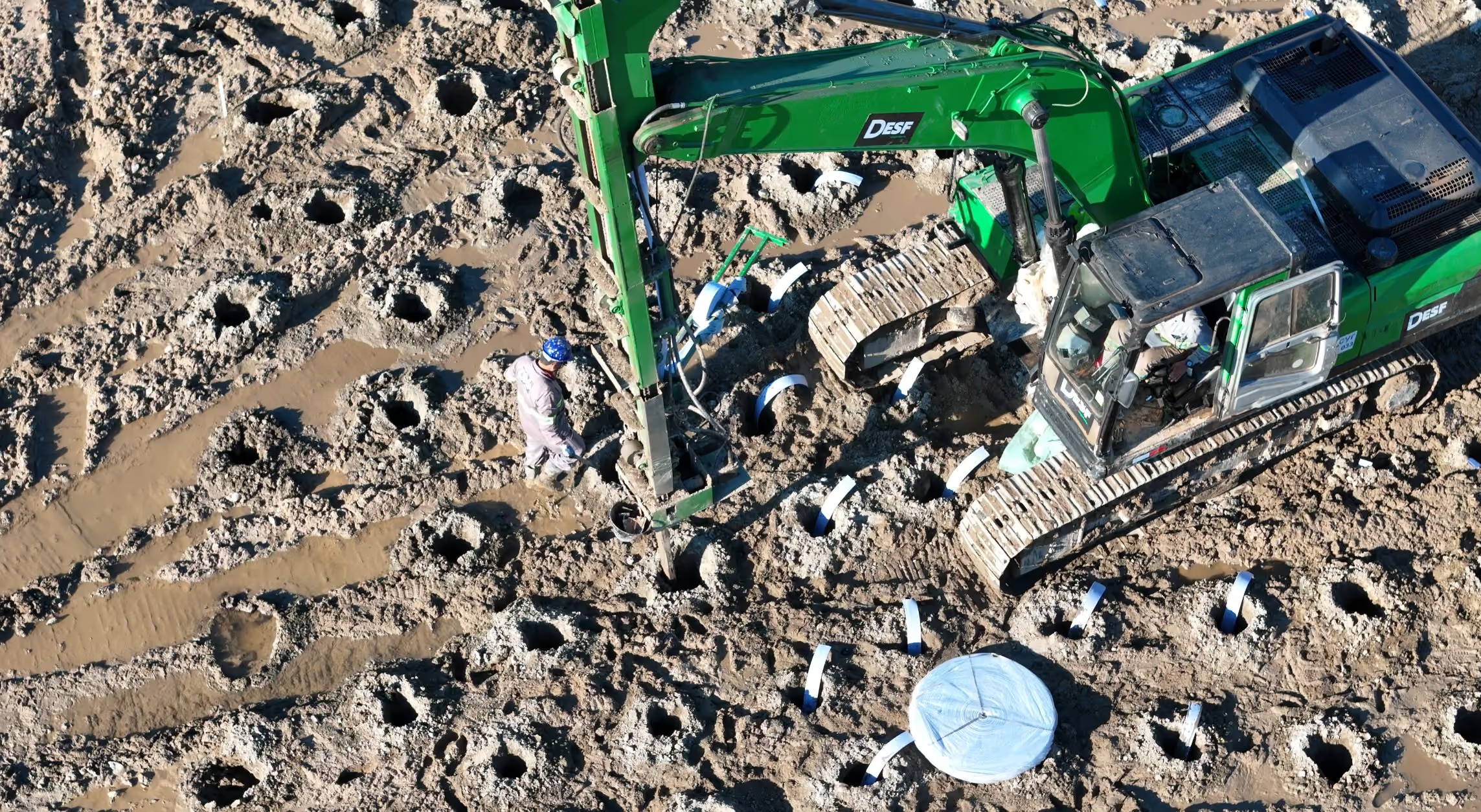
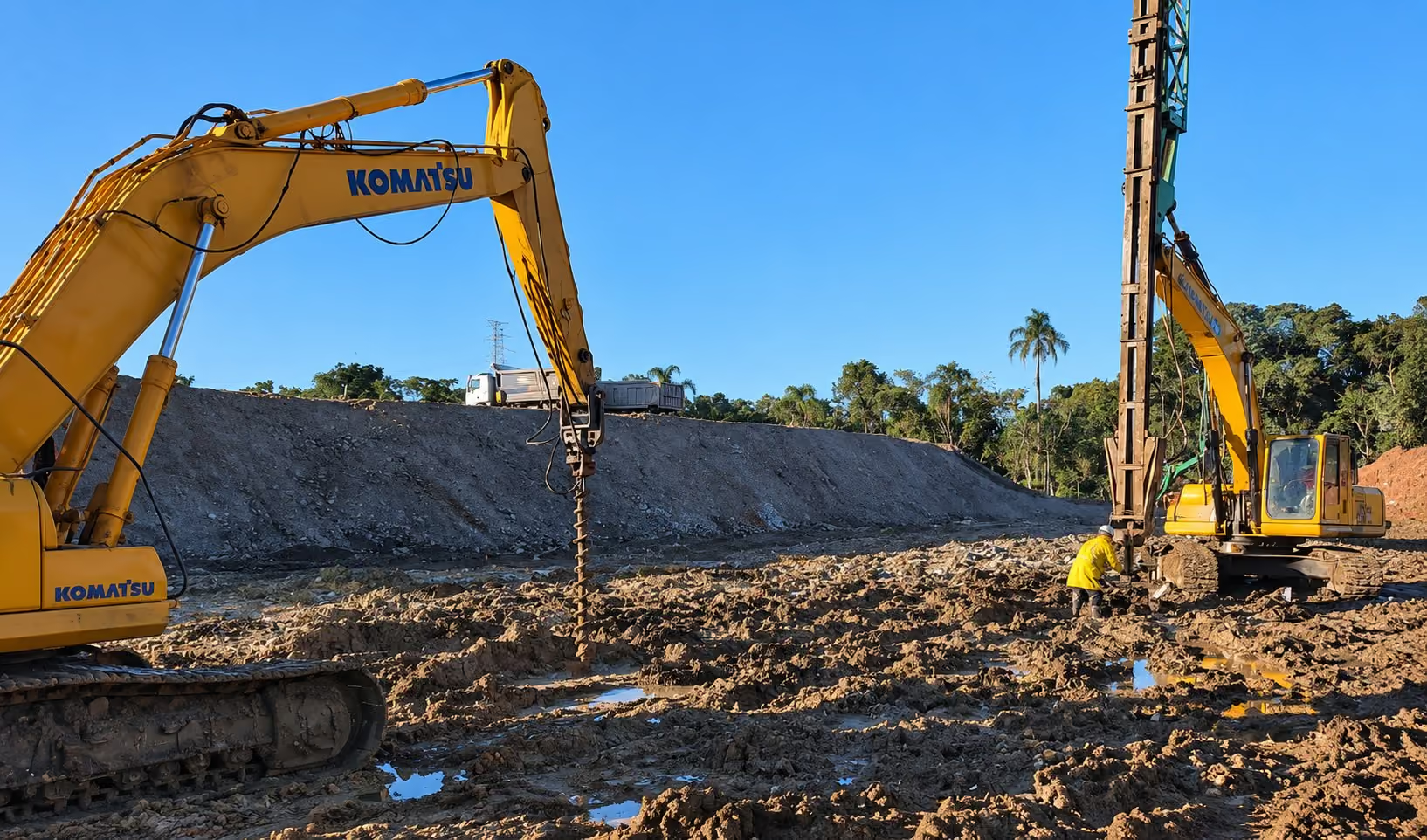
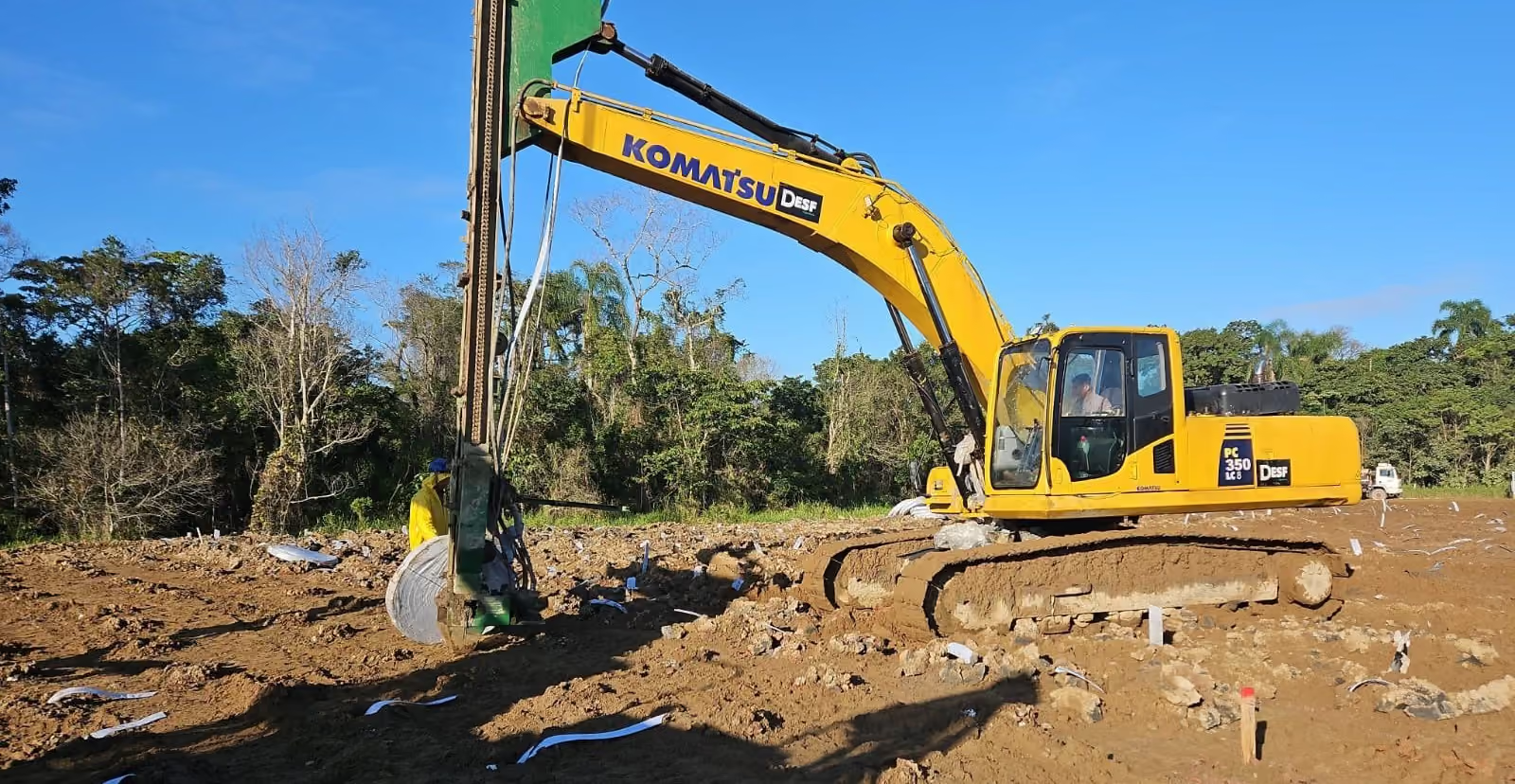
Vertical Wick Drains
Prefabricated drains installed in soft soil to speed up consolidation, turning years of waiting into weeks and releasing the area for construction.
Paving and Roads
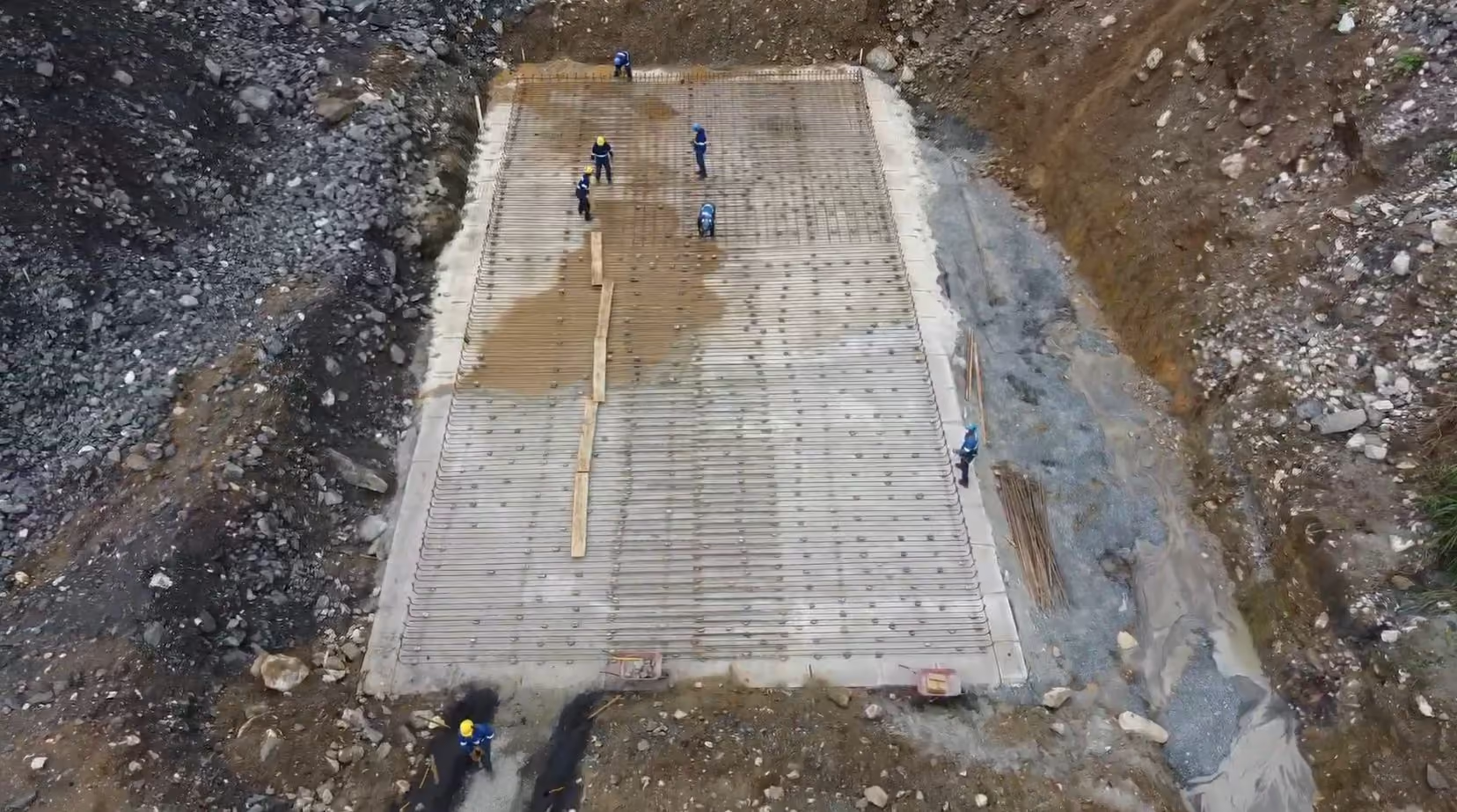
Sub-base, base and pavement for internal roads, yards and site access, ready for heavy traffic.
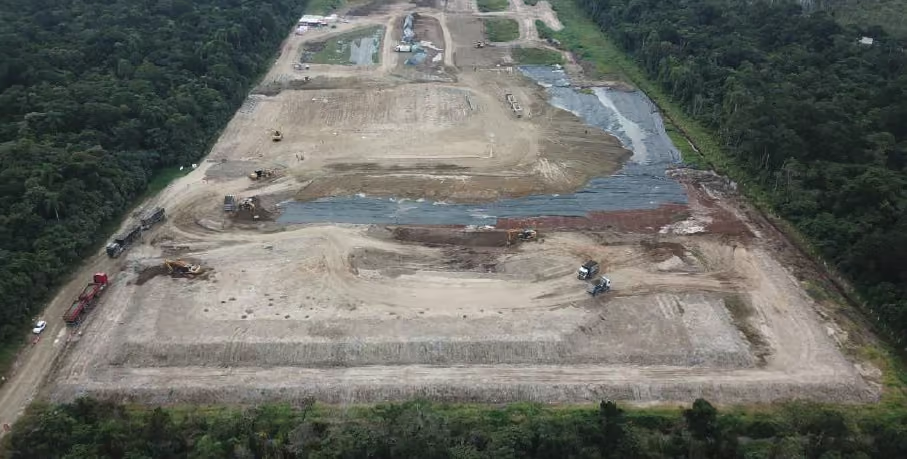
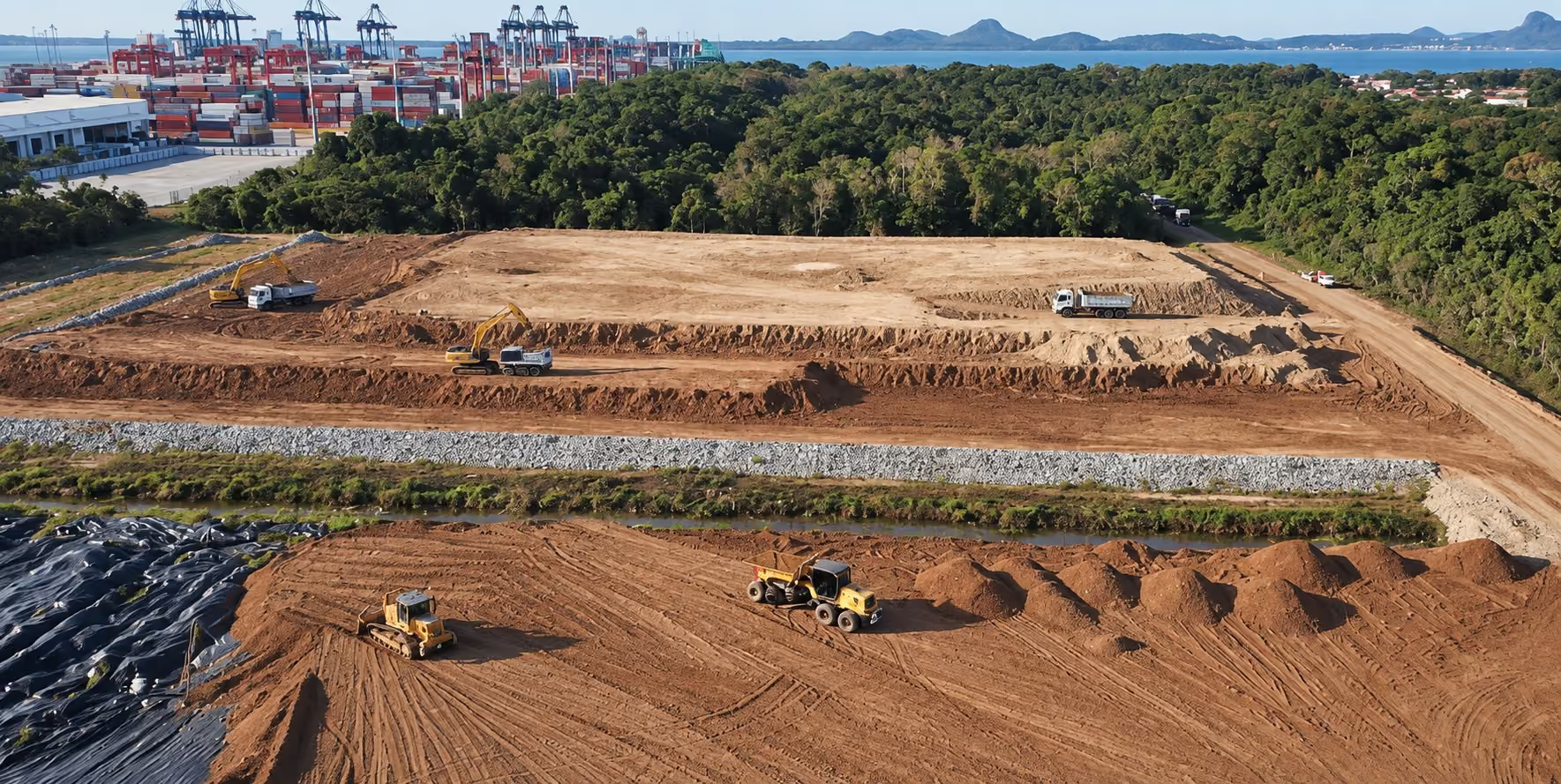
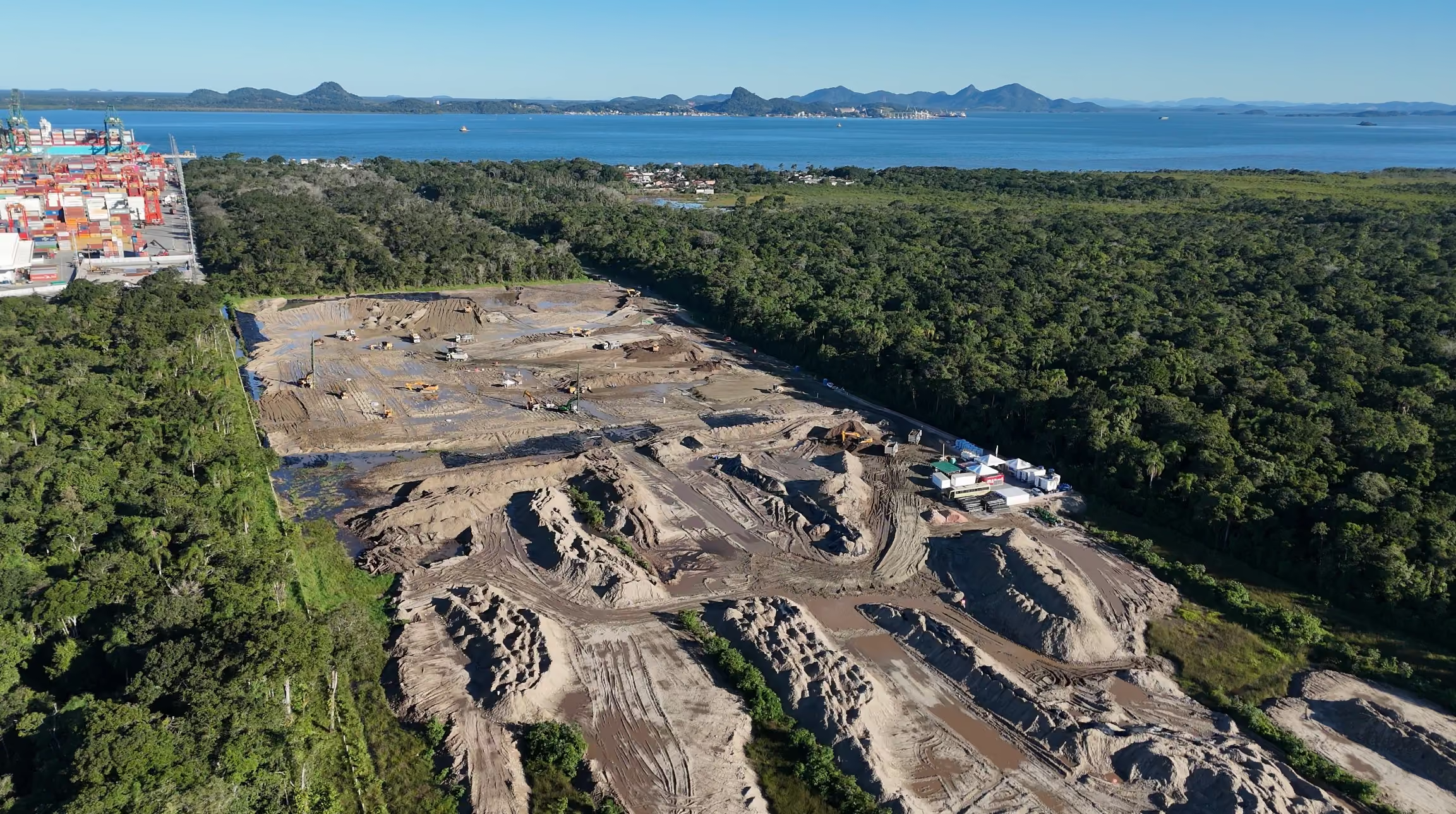
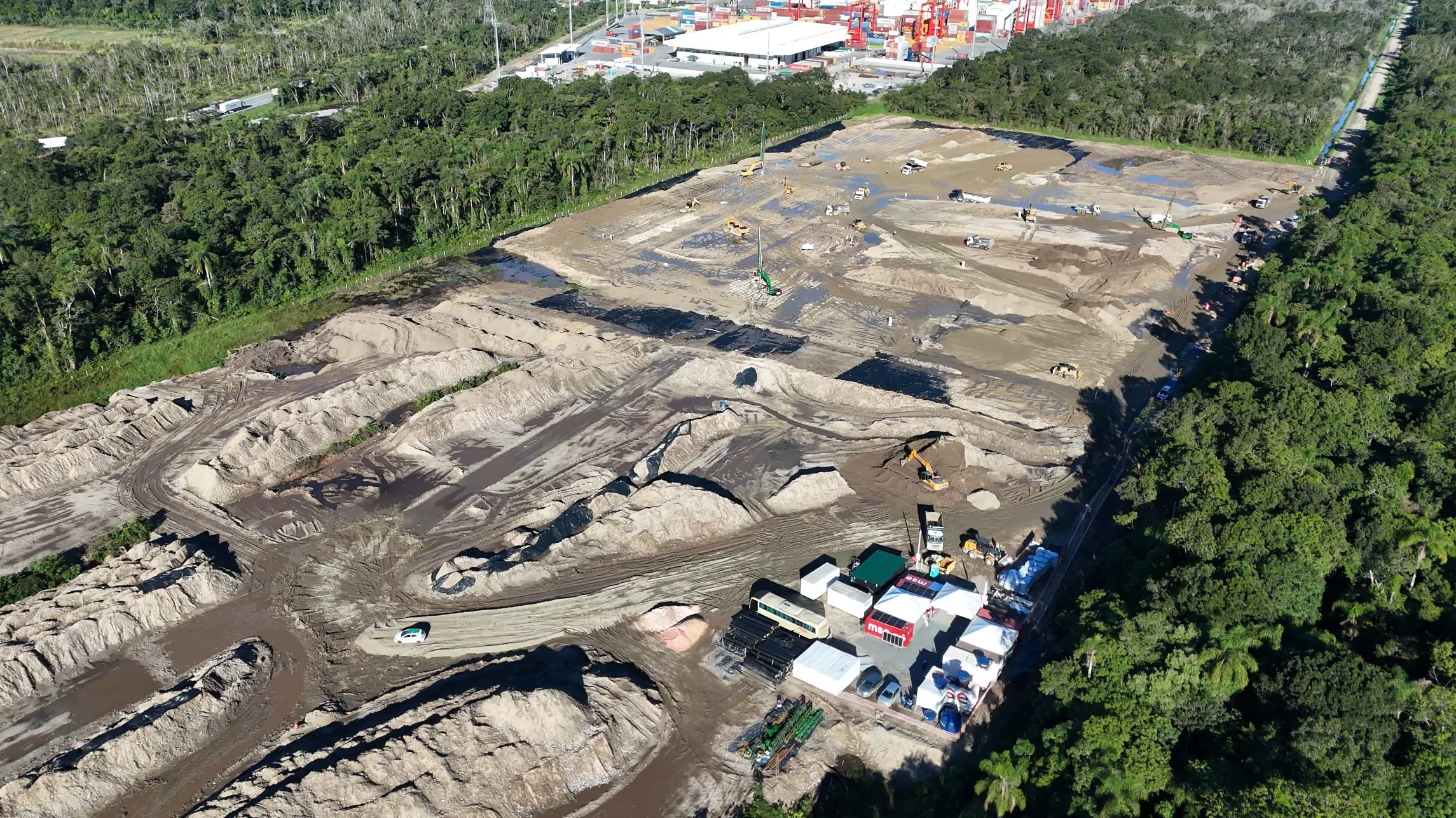

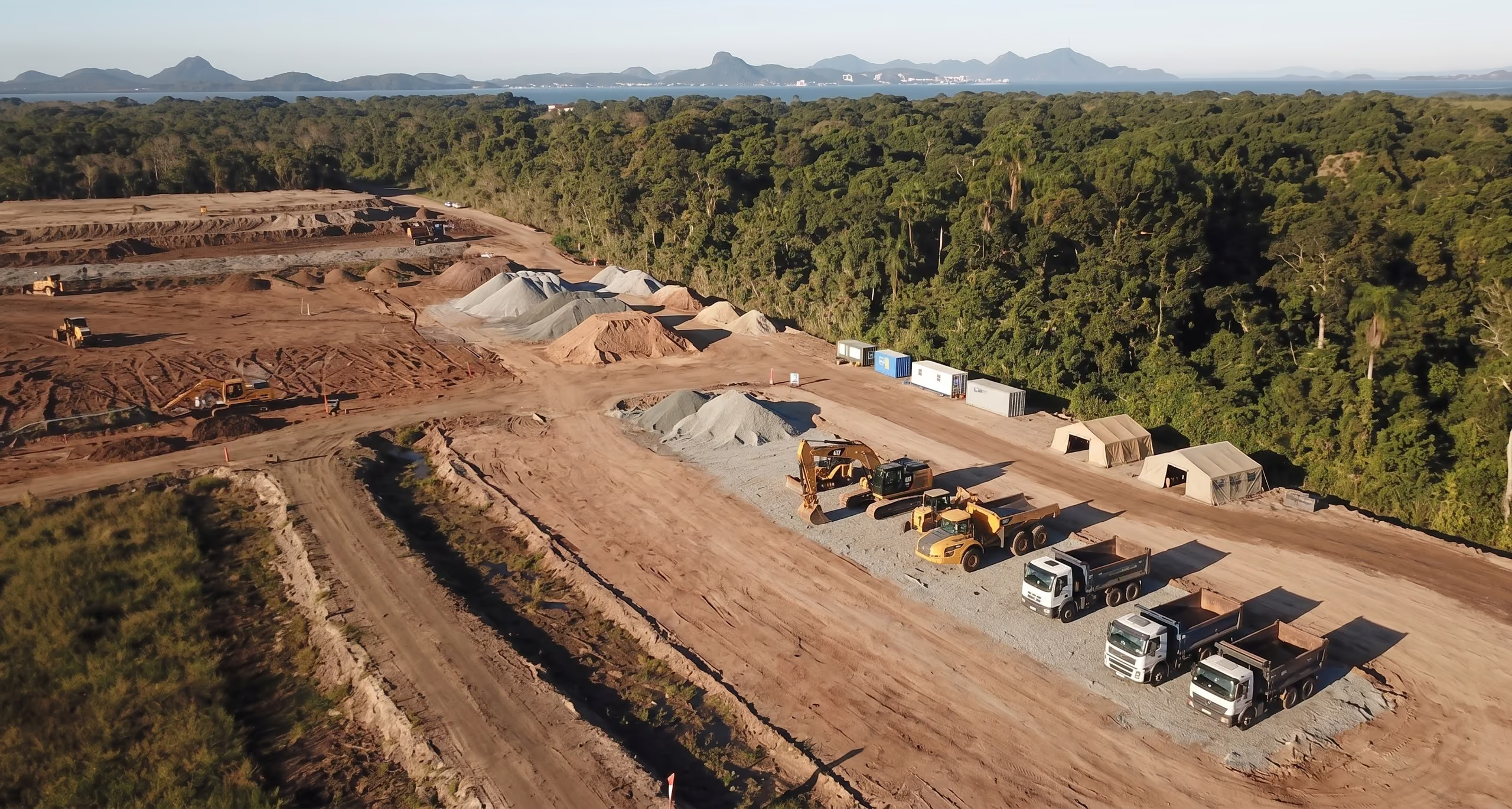

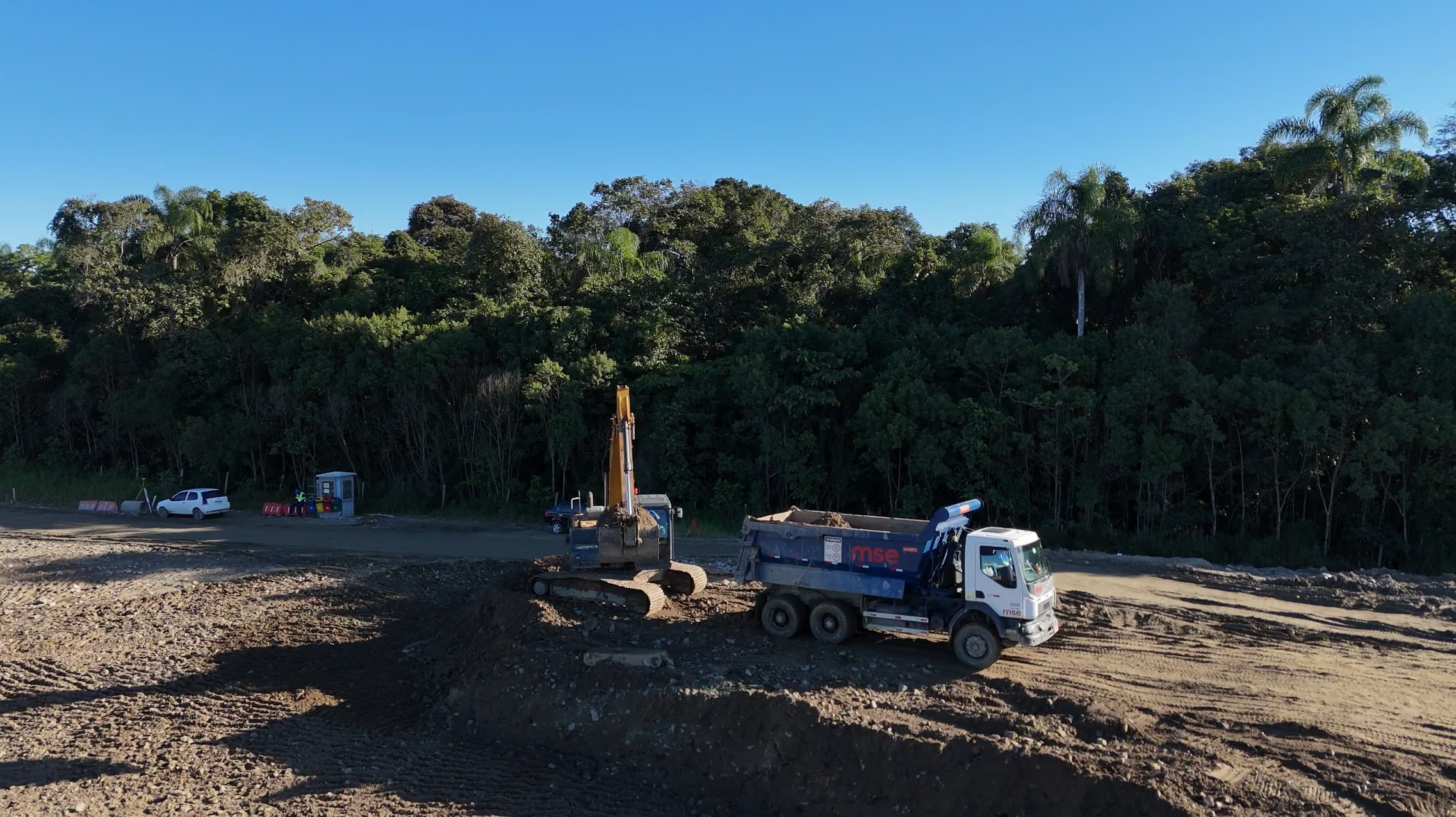


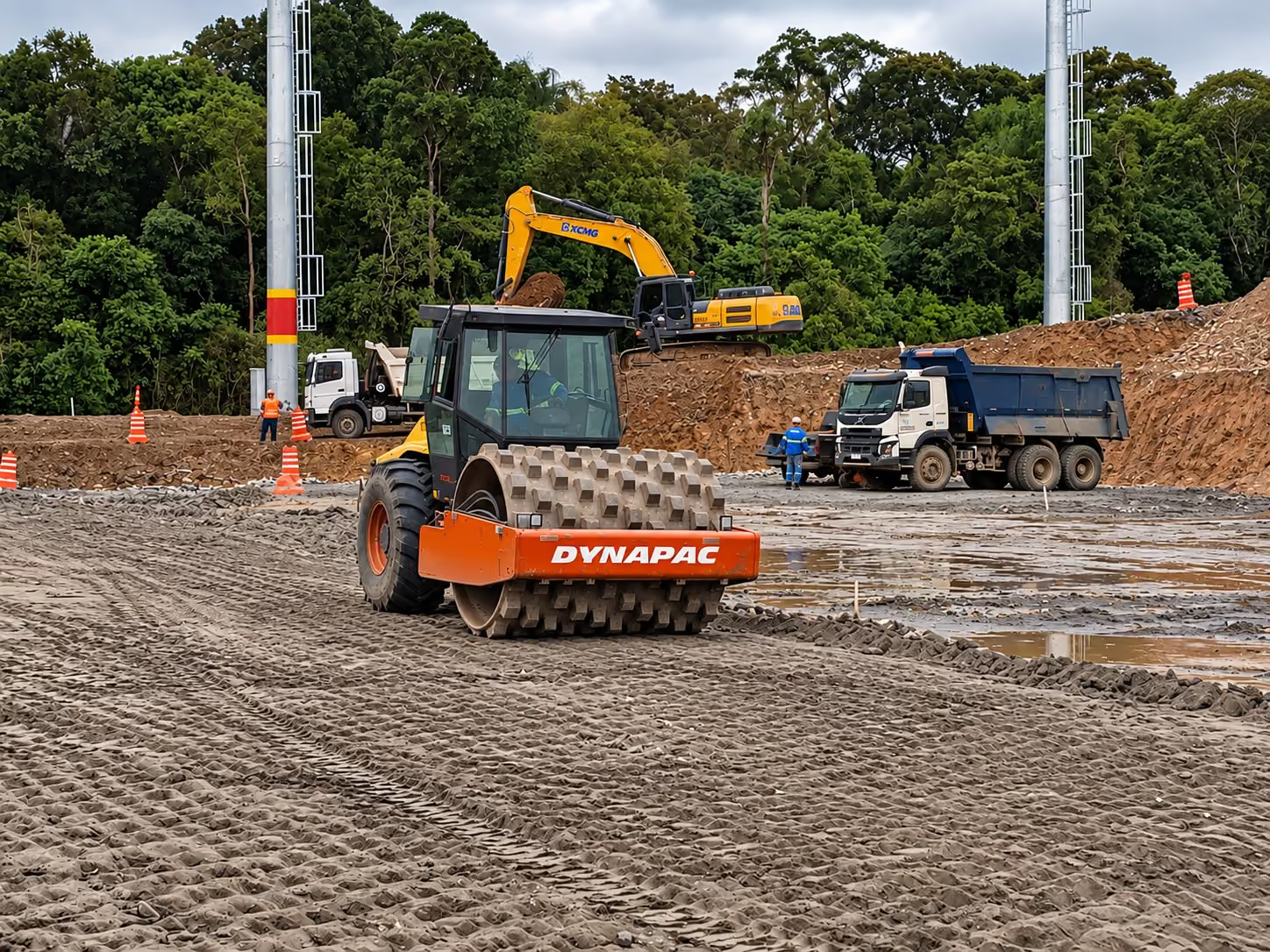
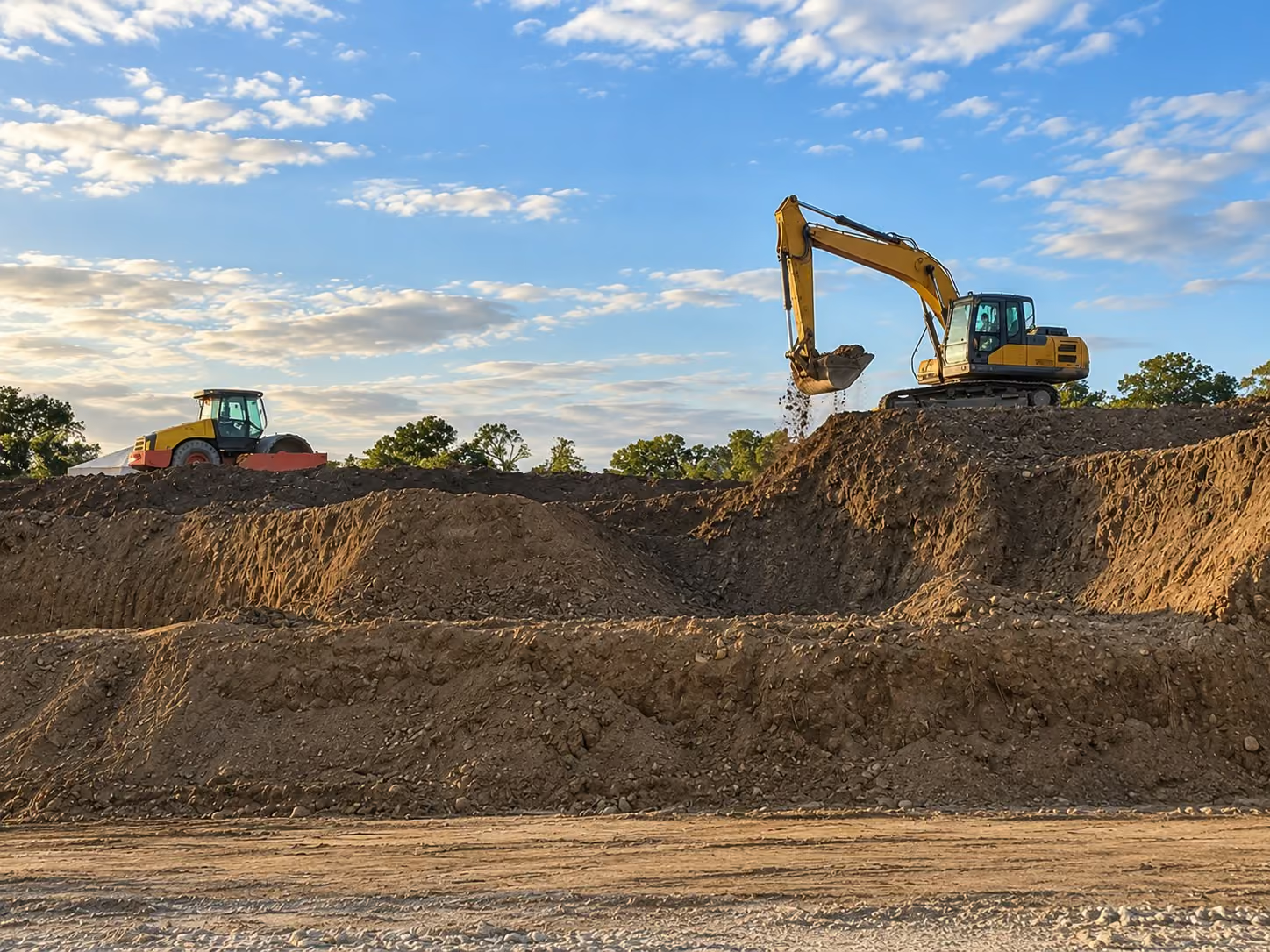
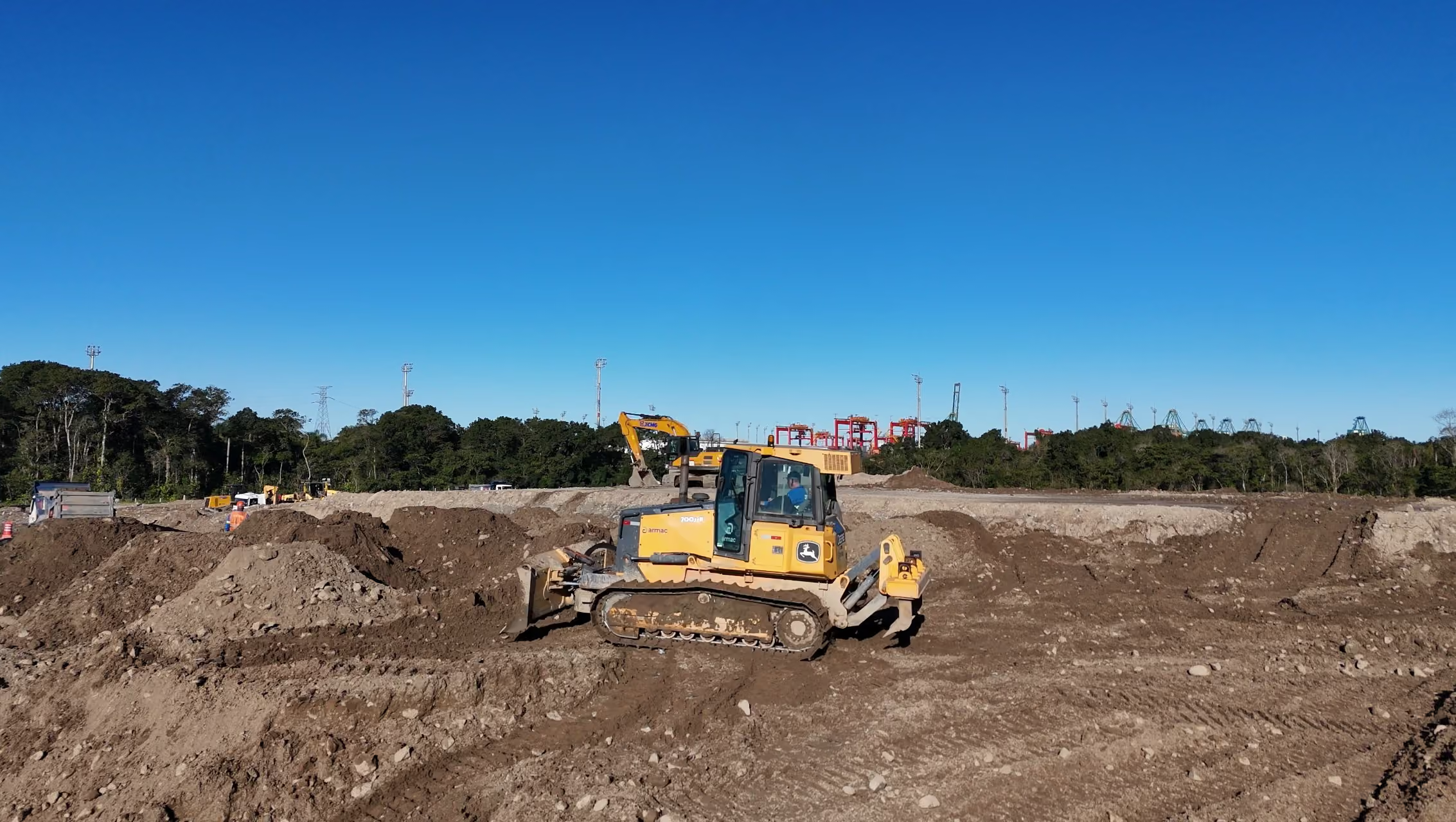
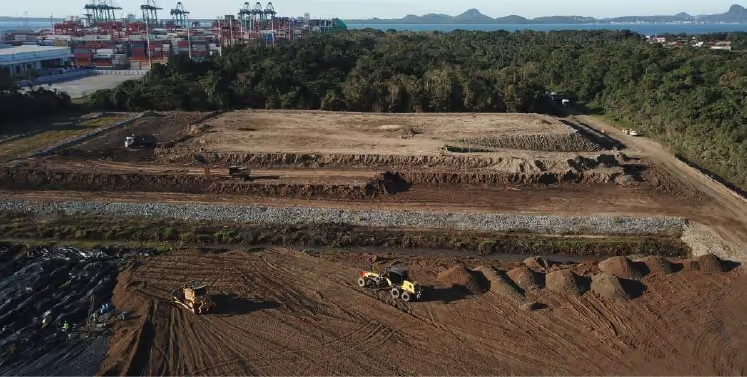
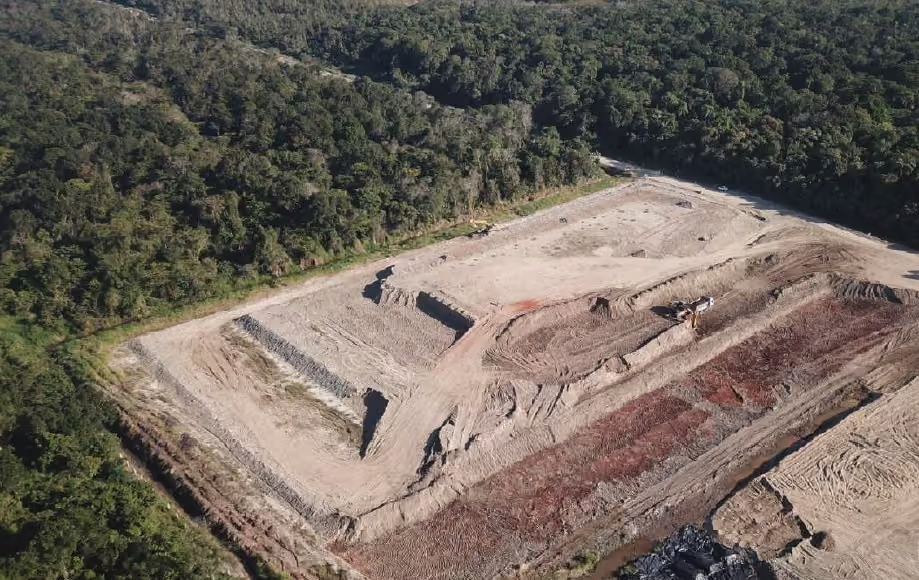
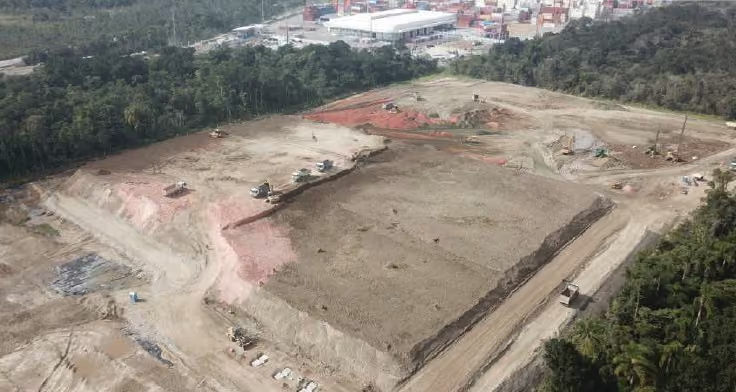



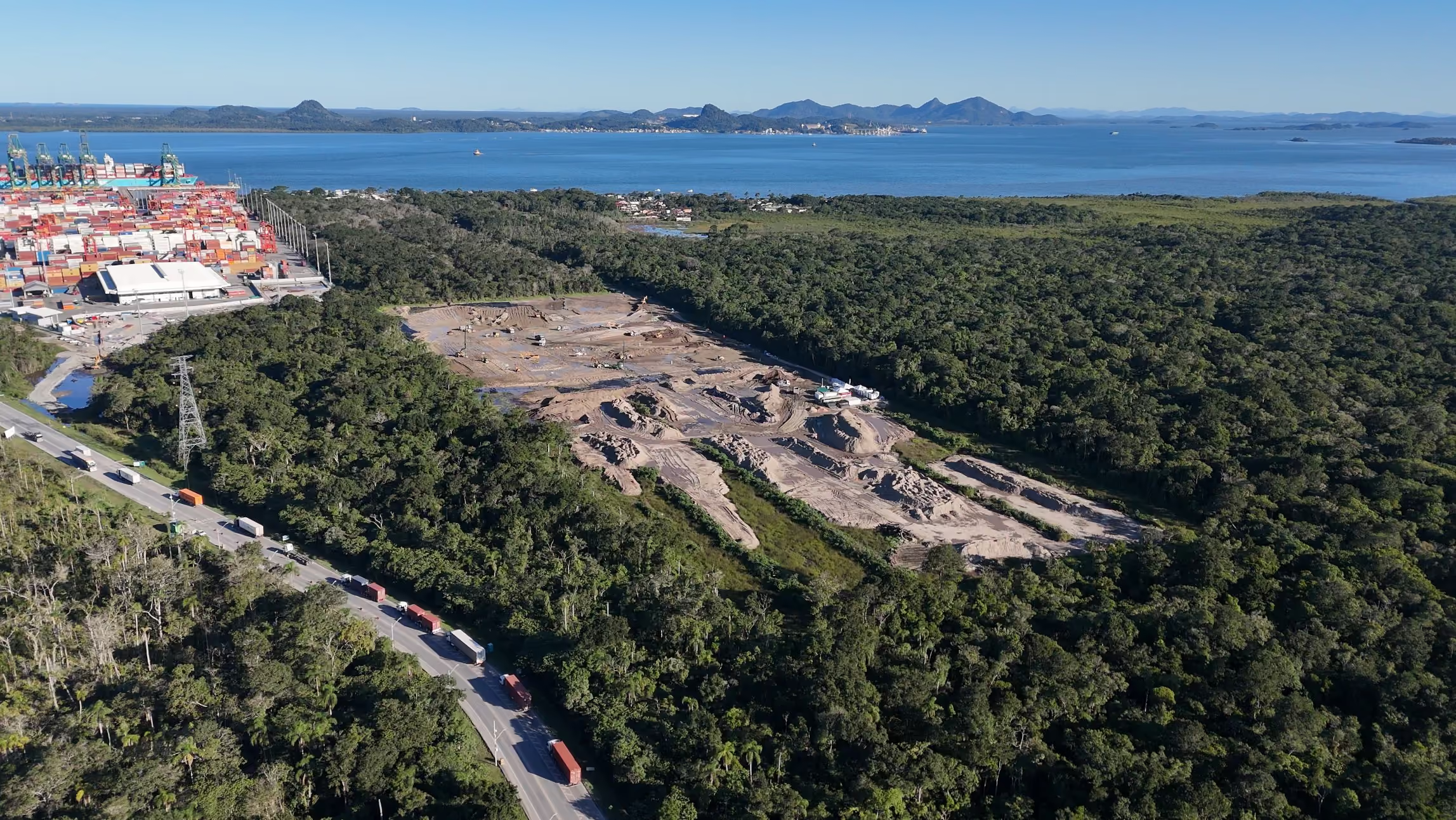
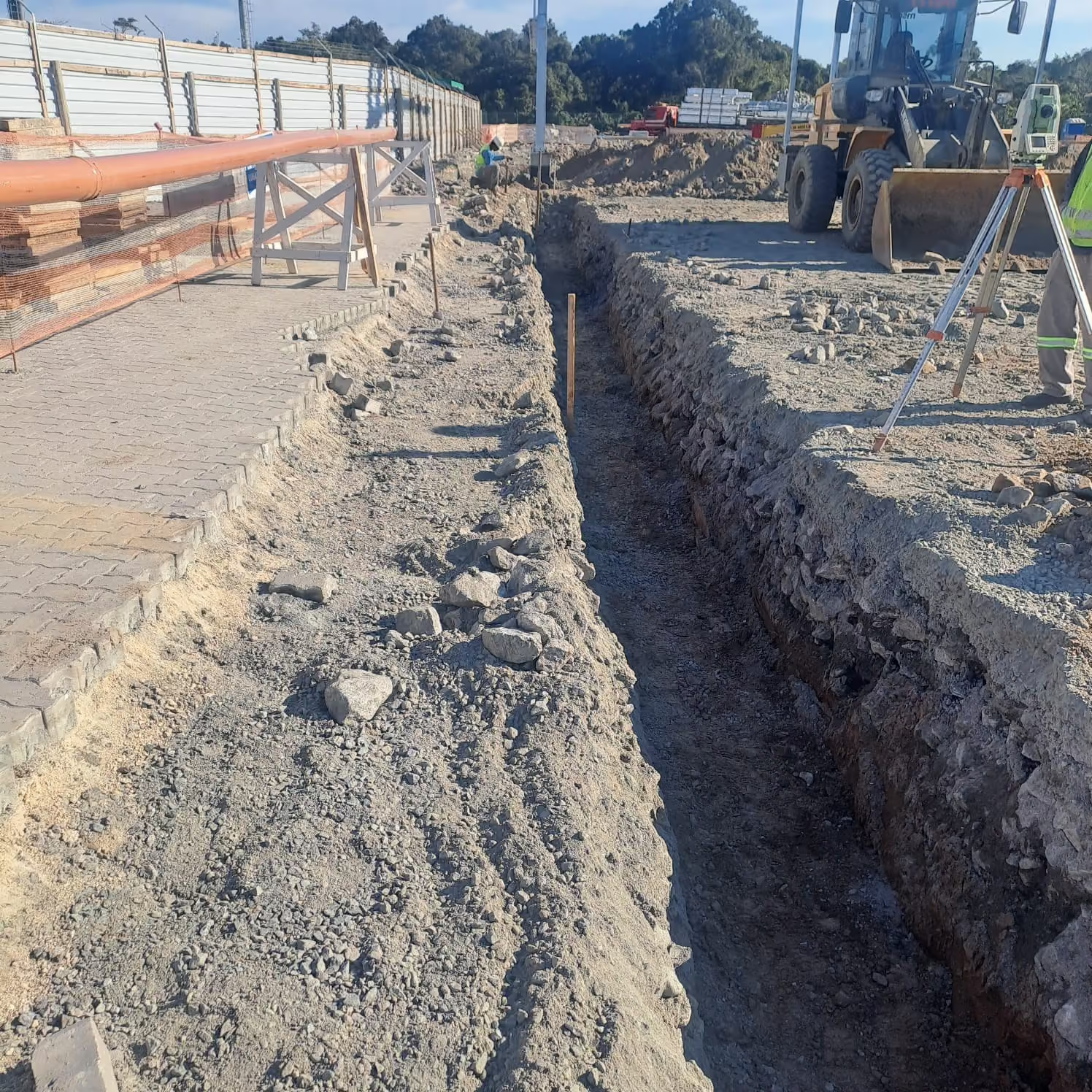
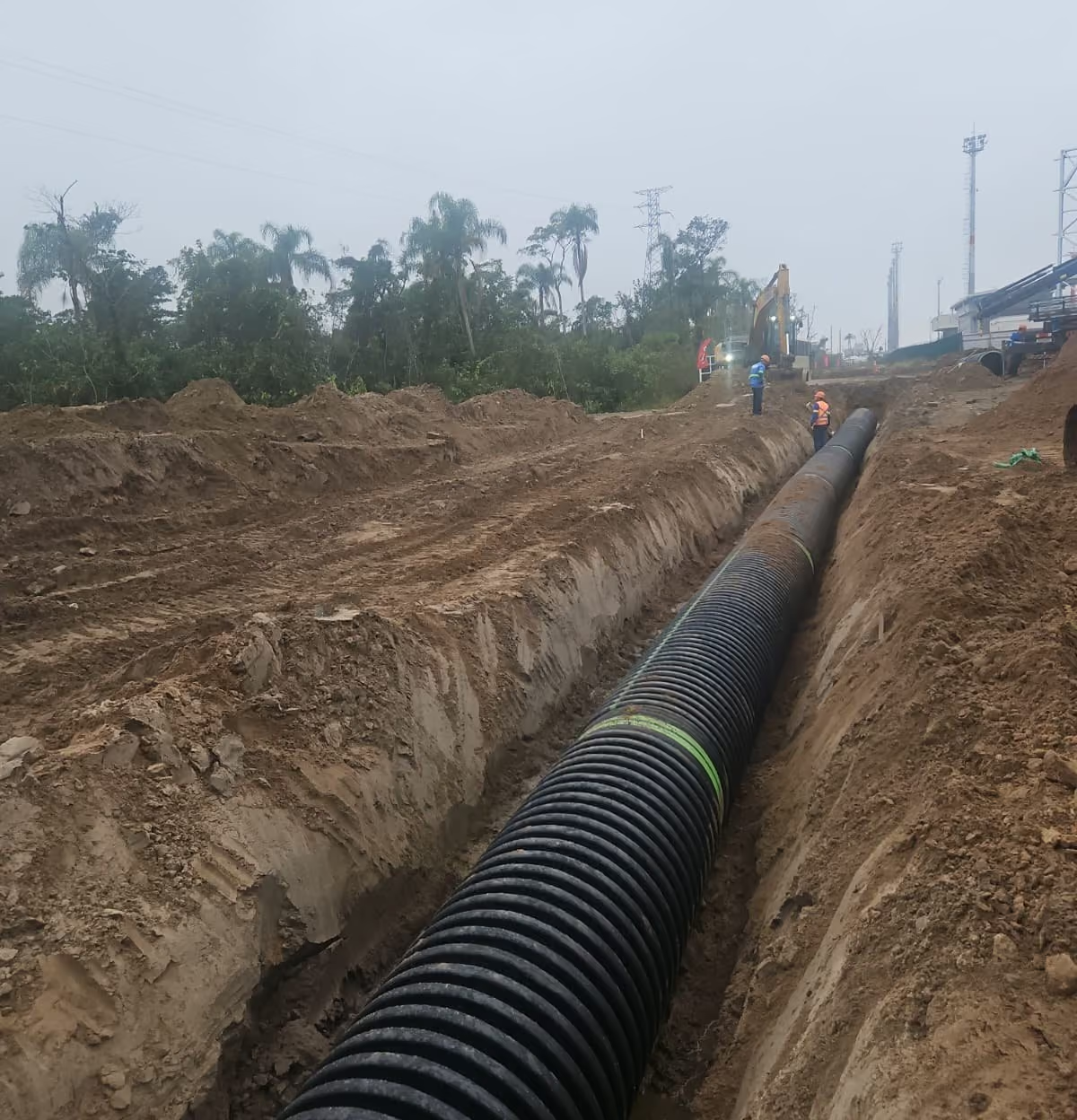

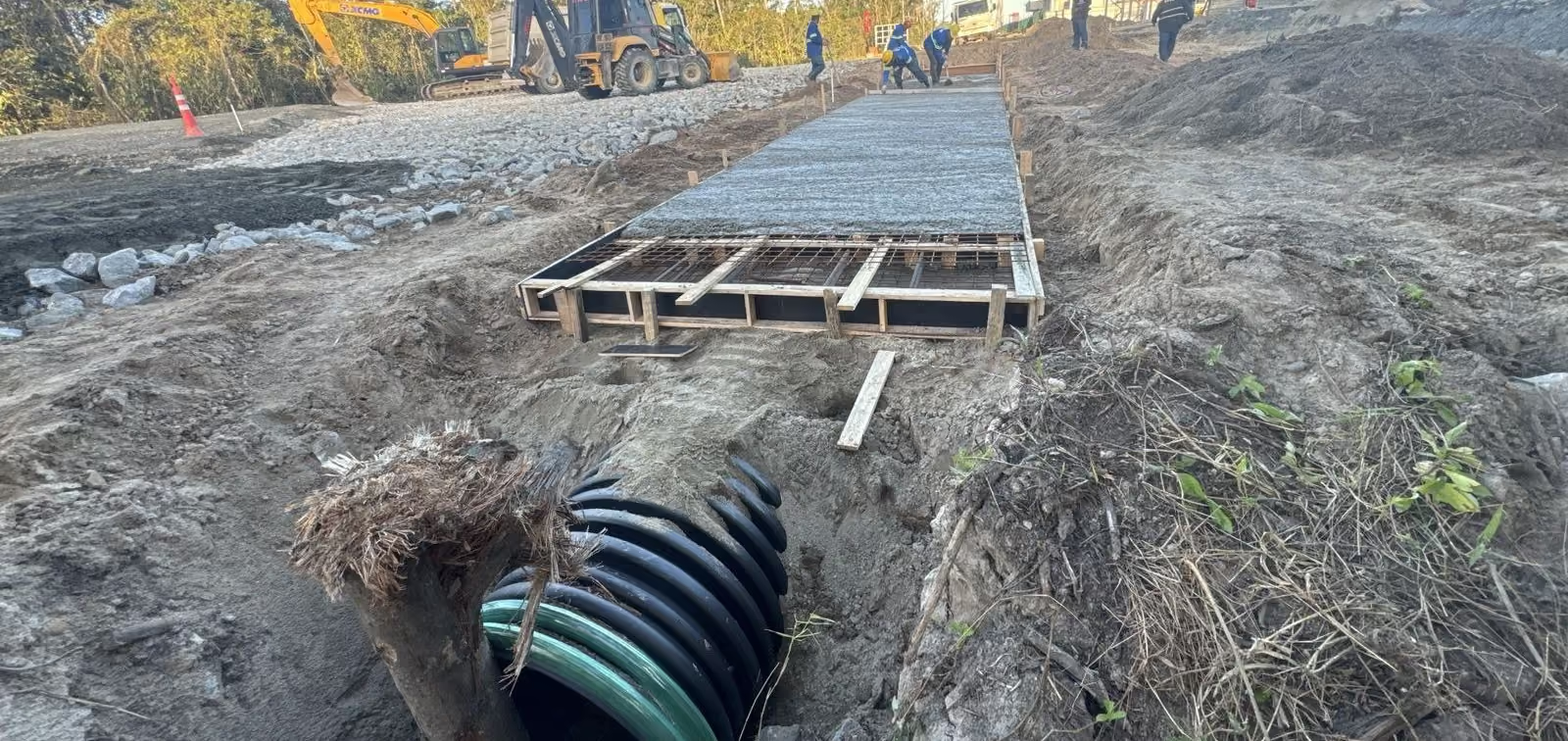
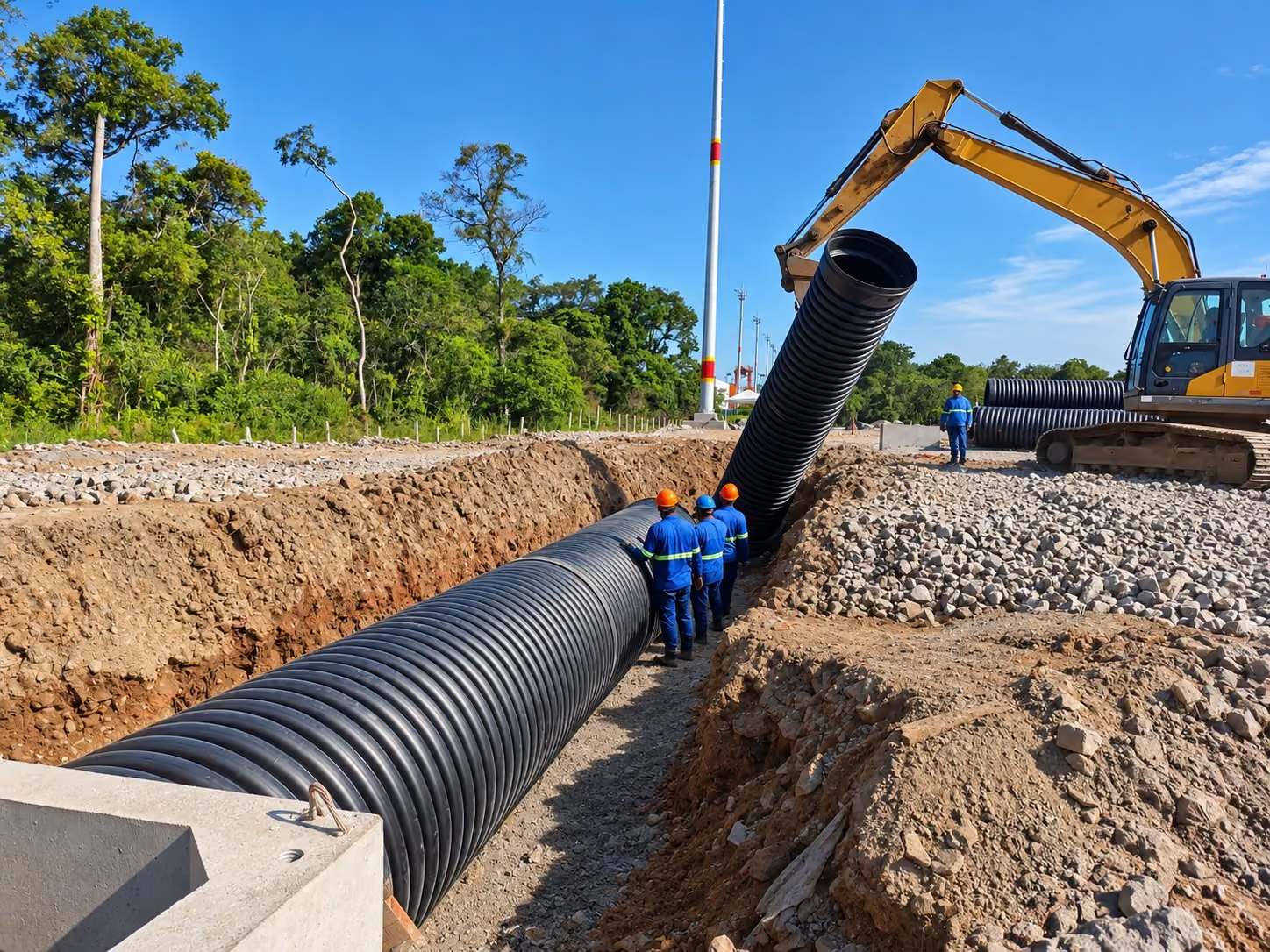
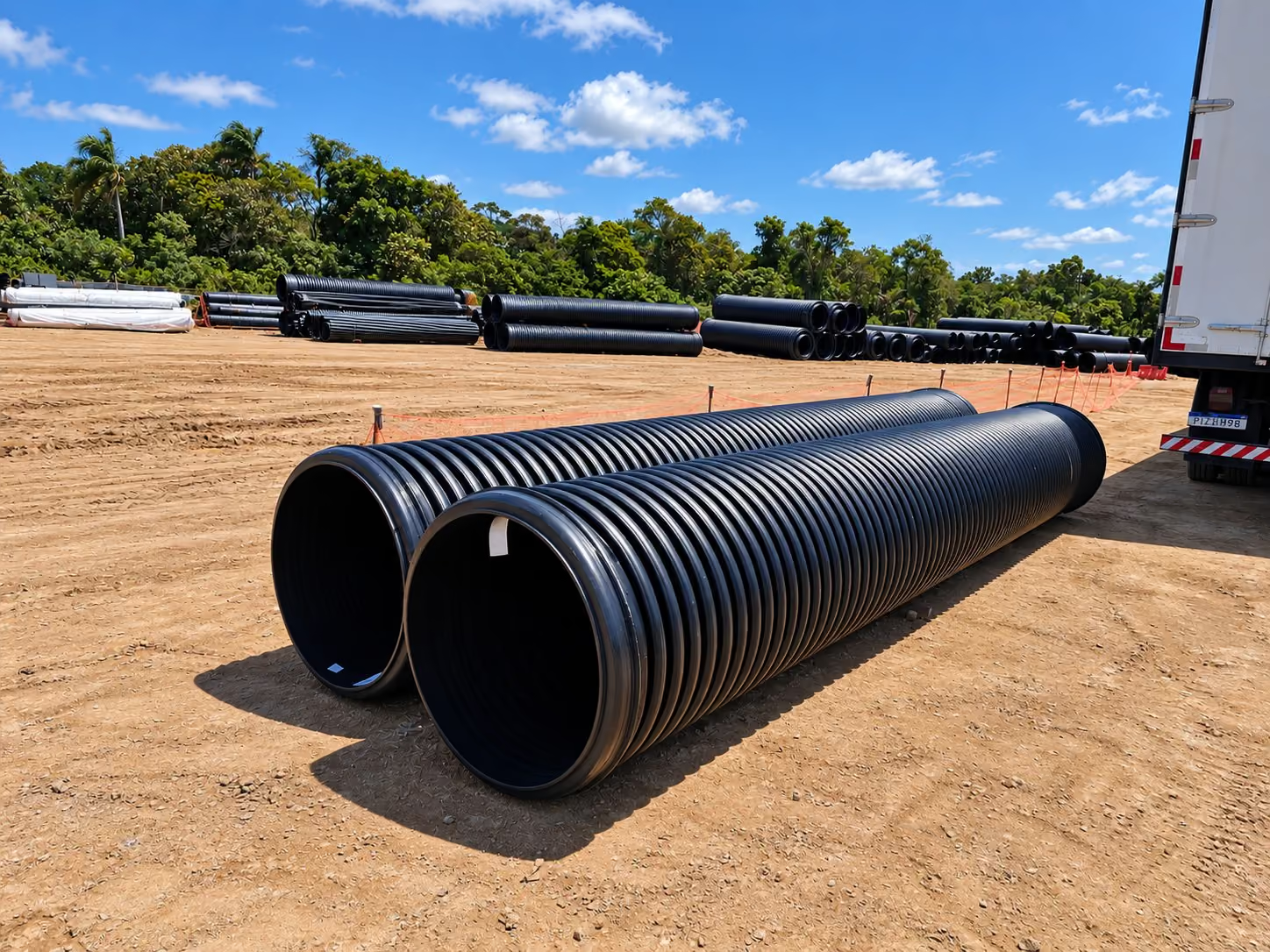
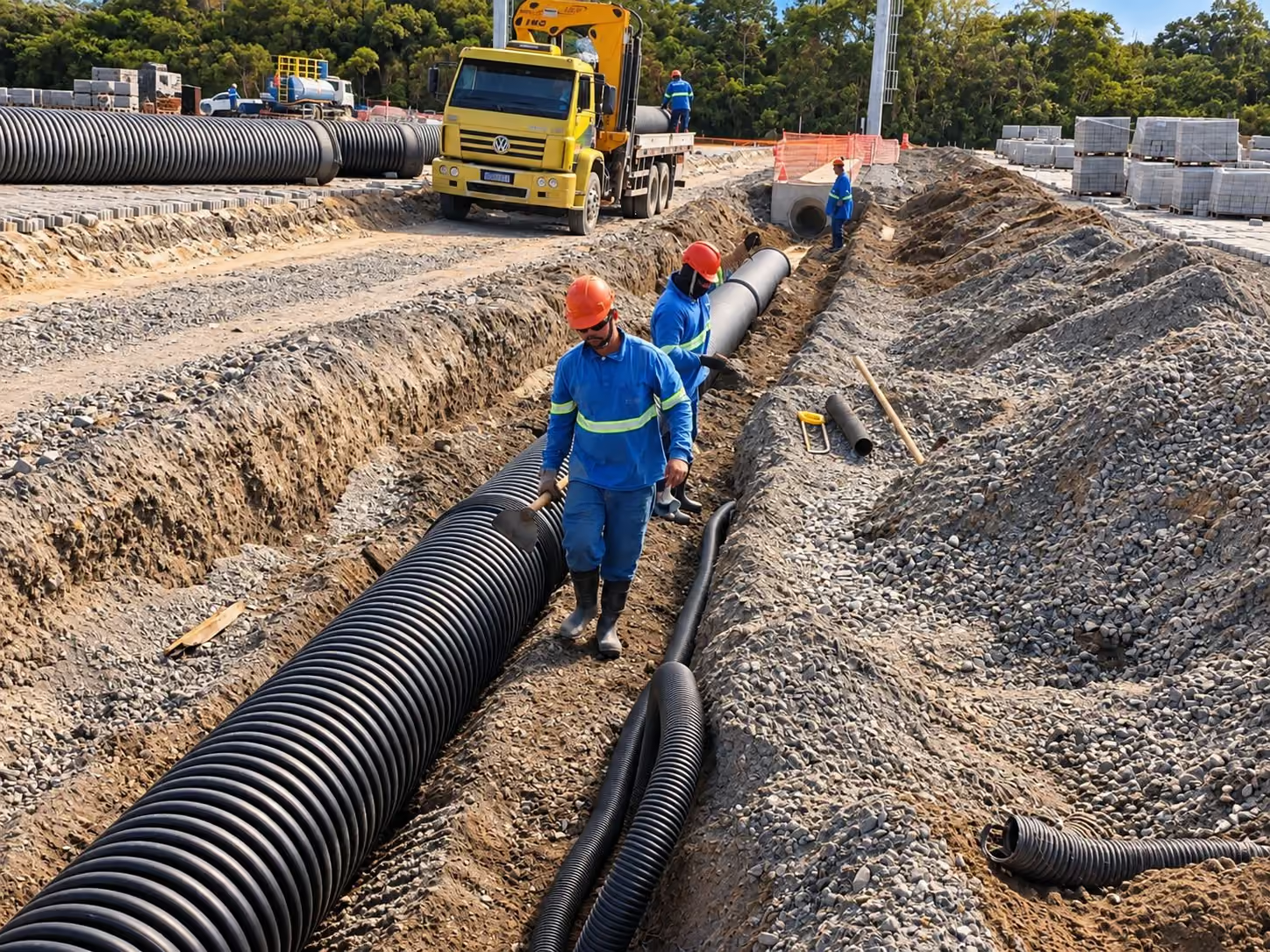

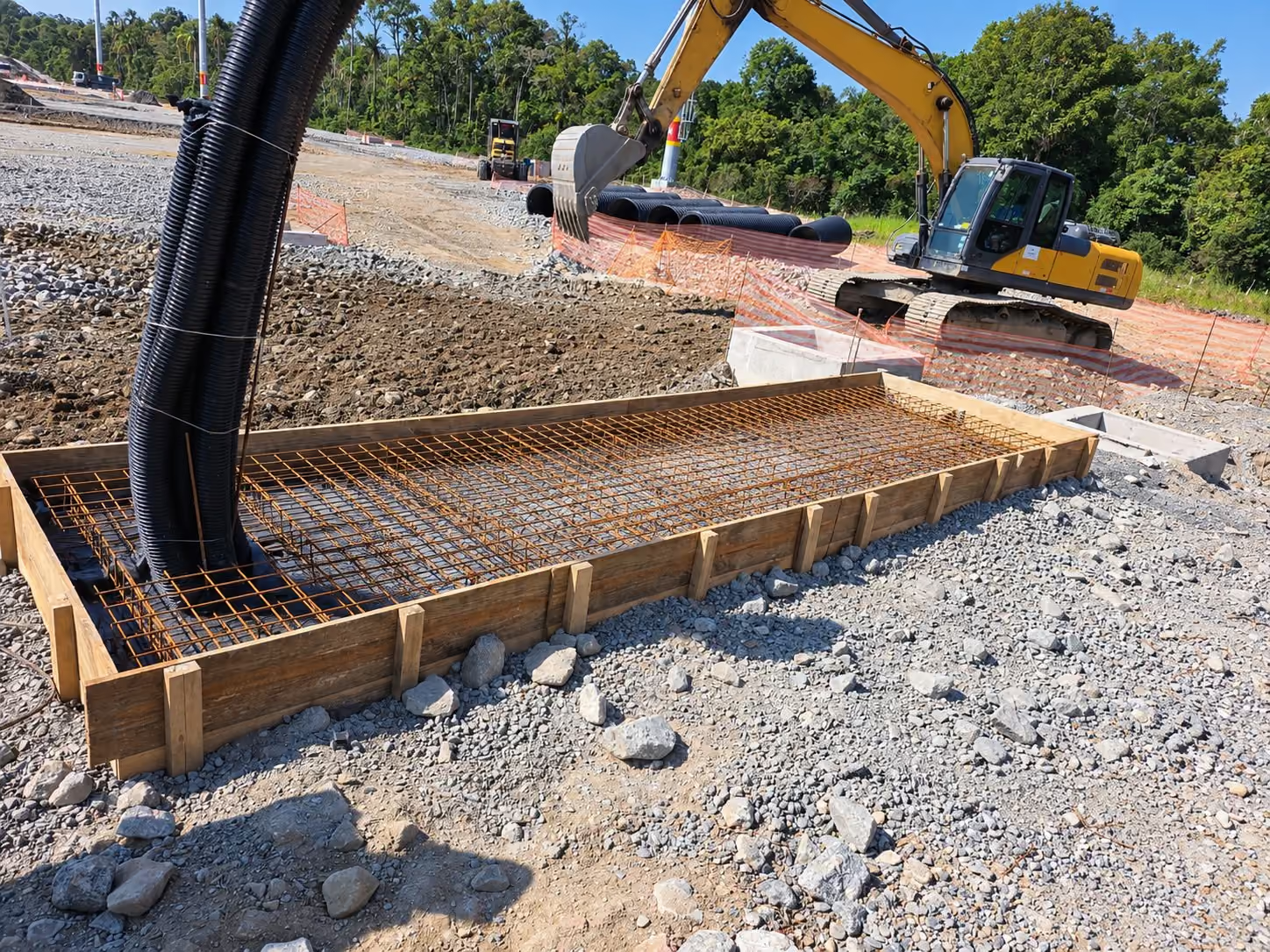
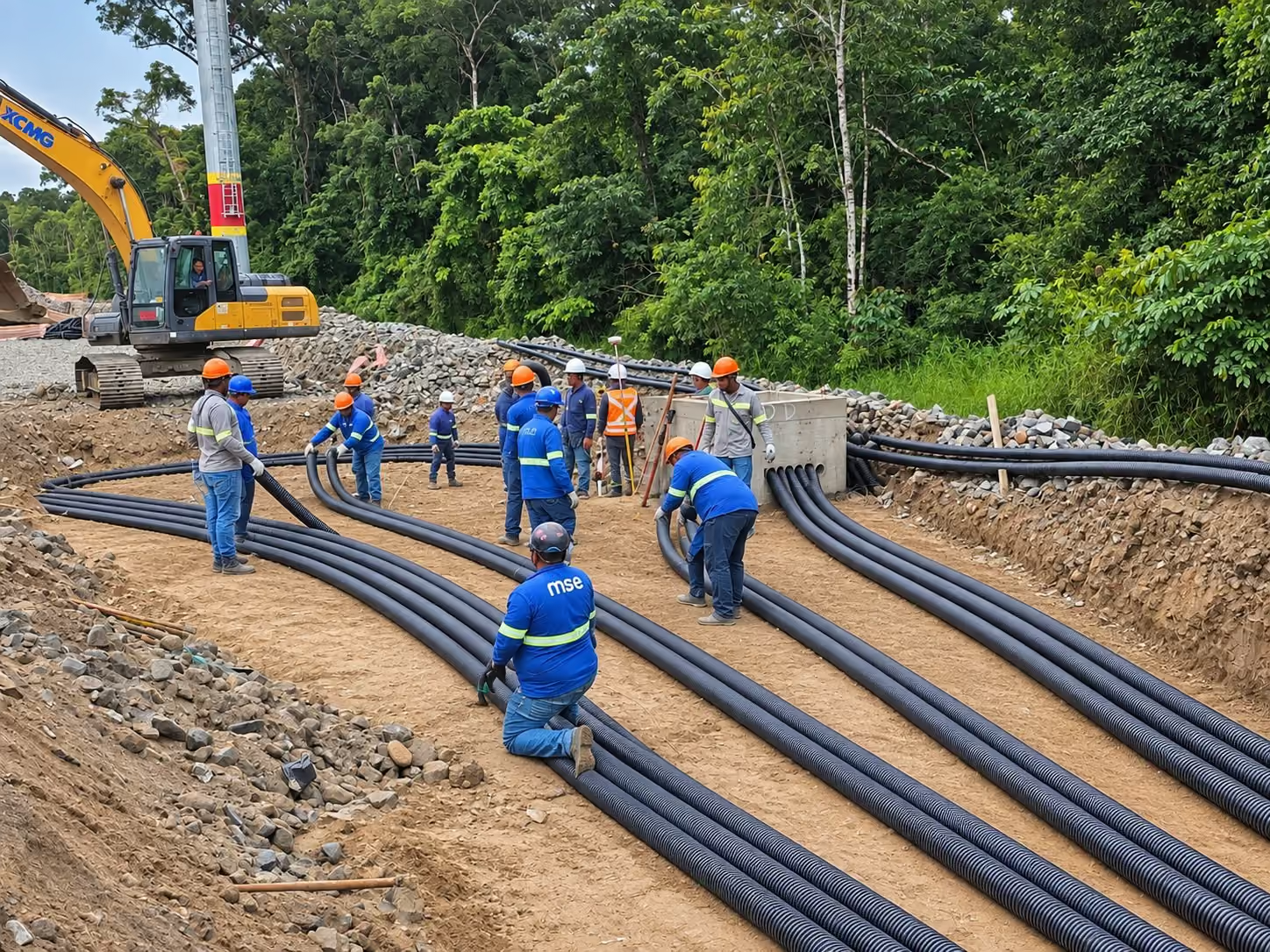
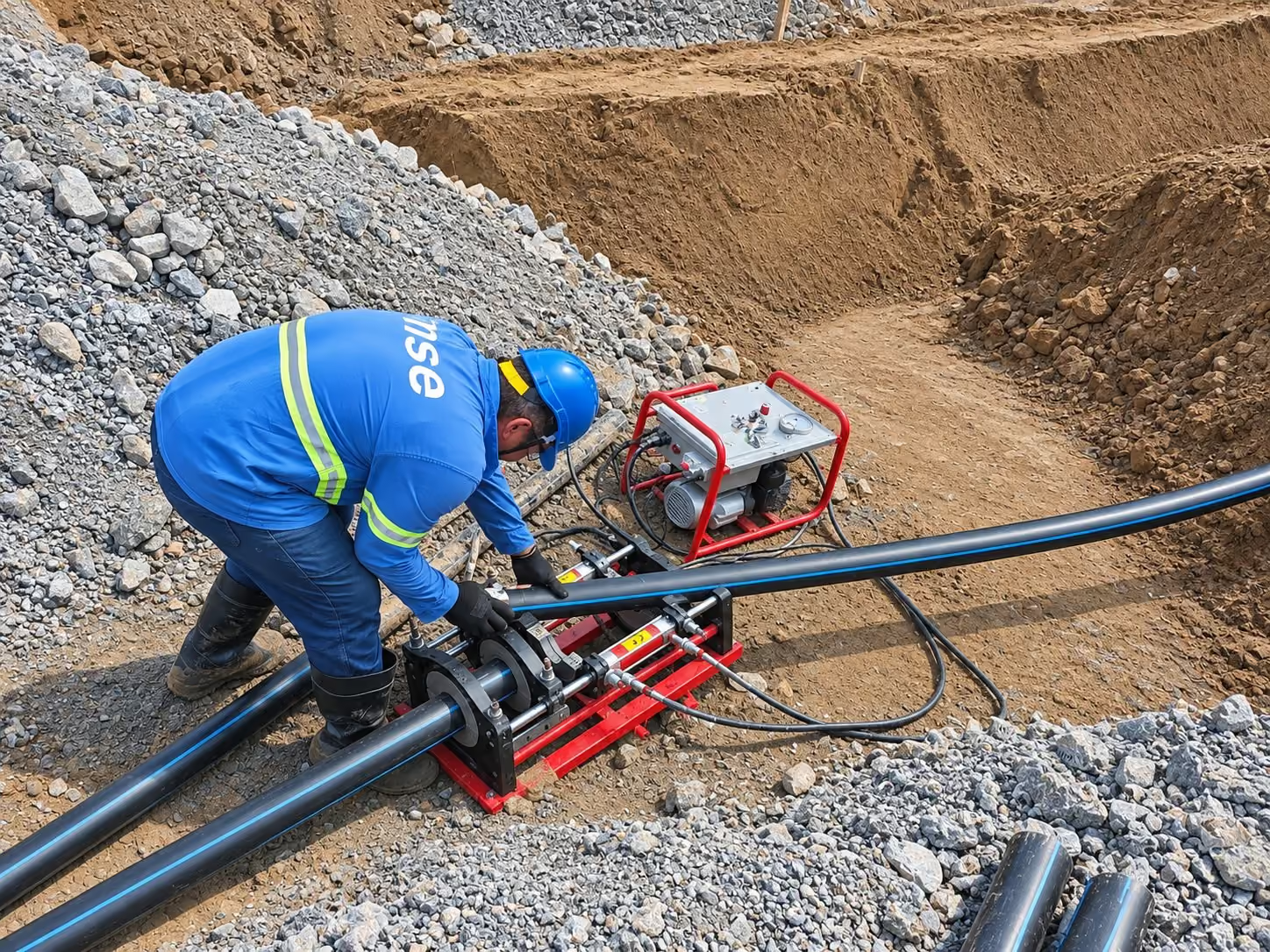
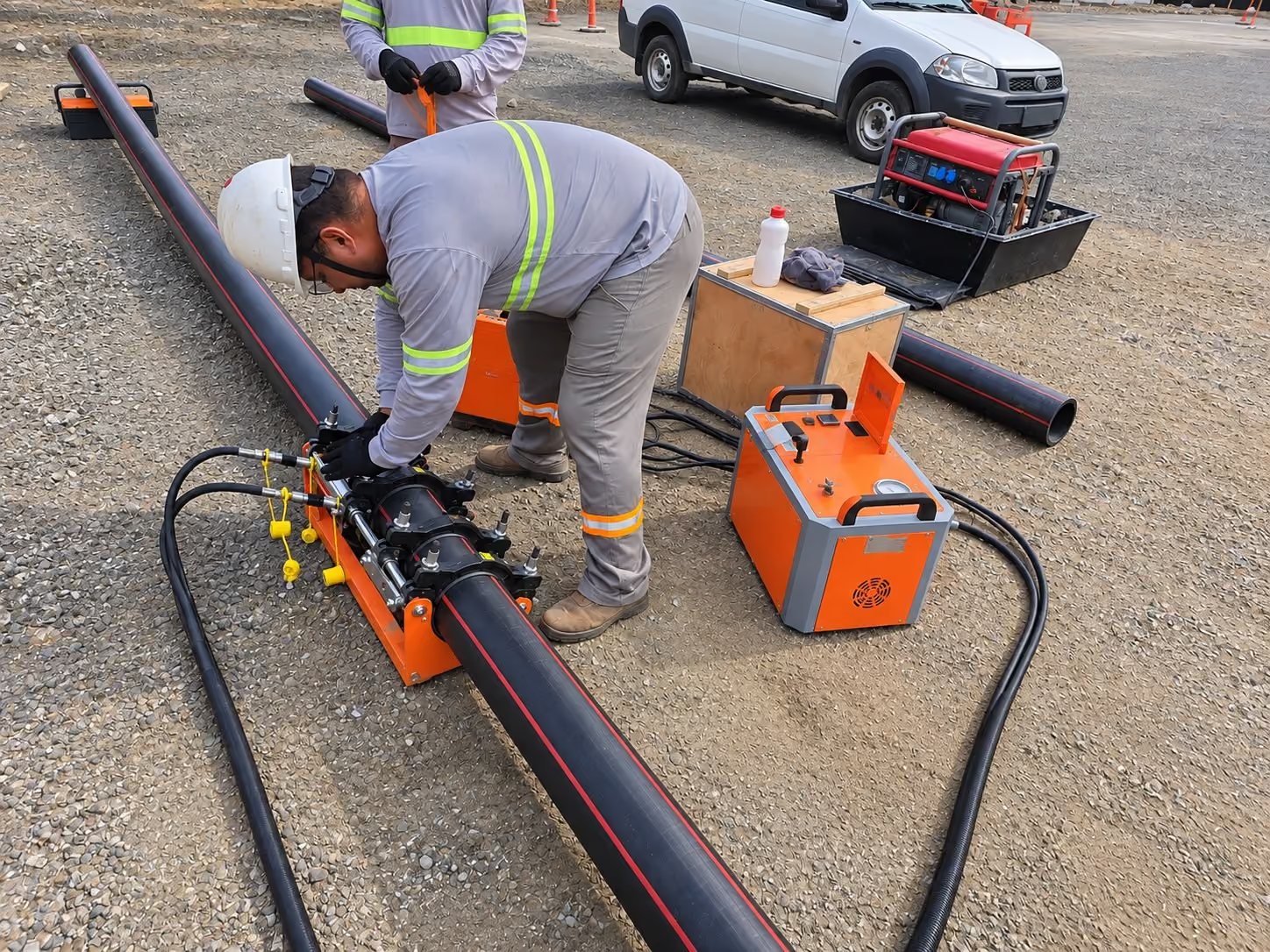
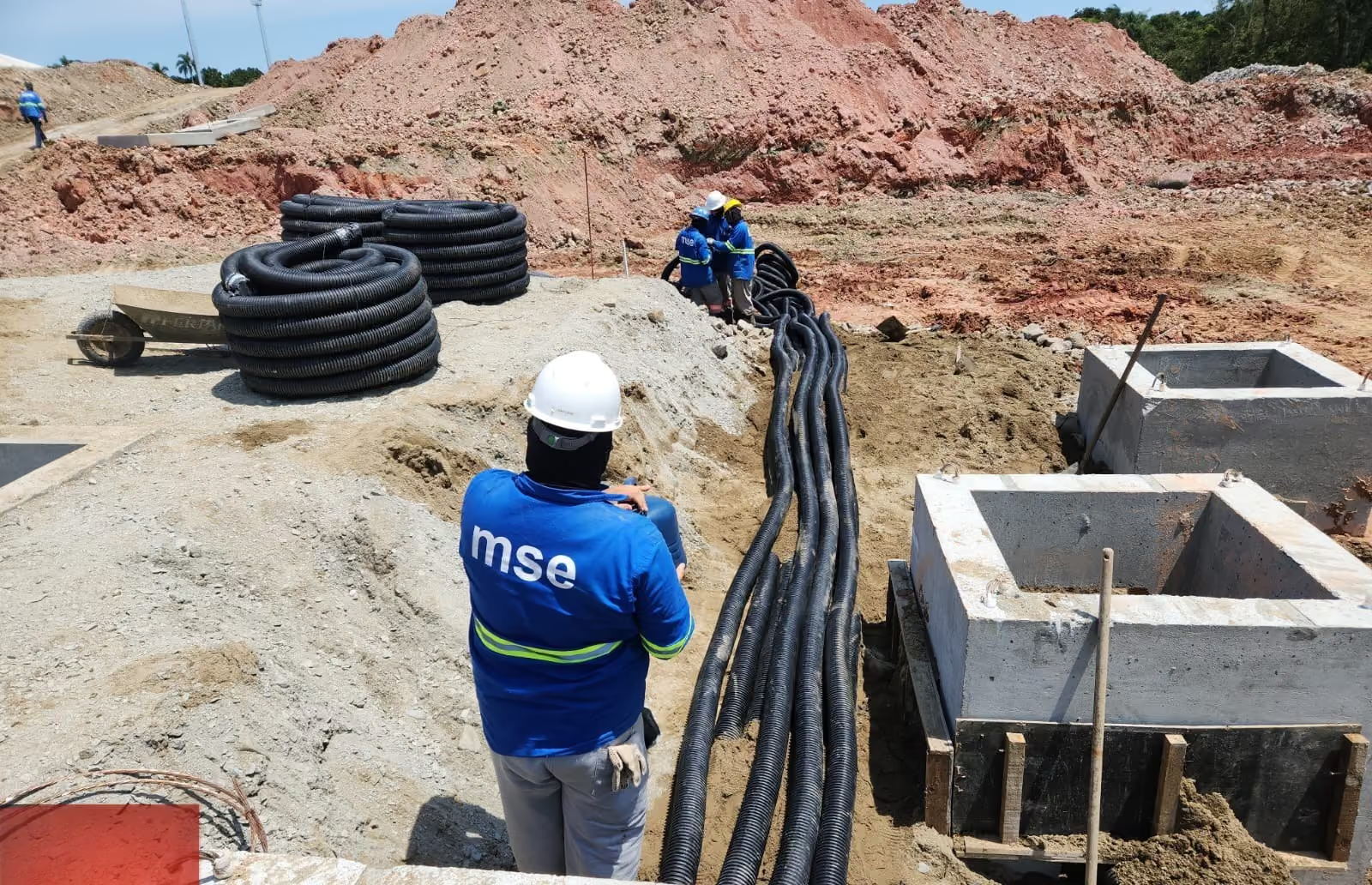
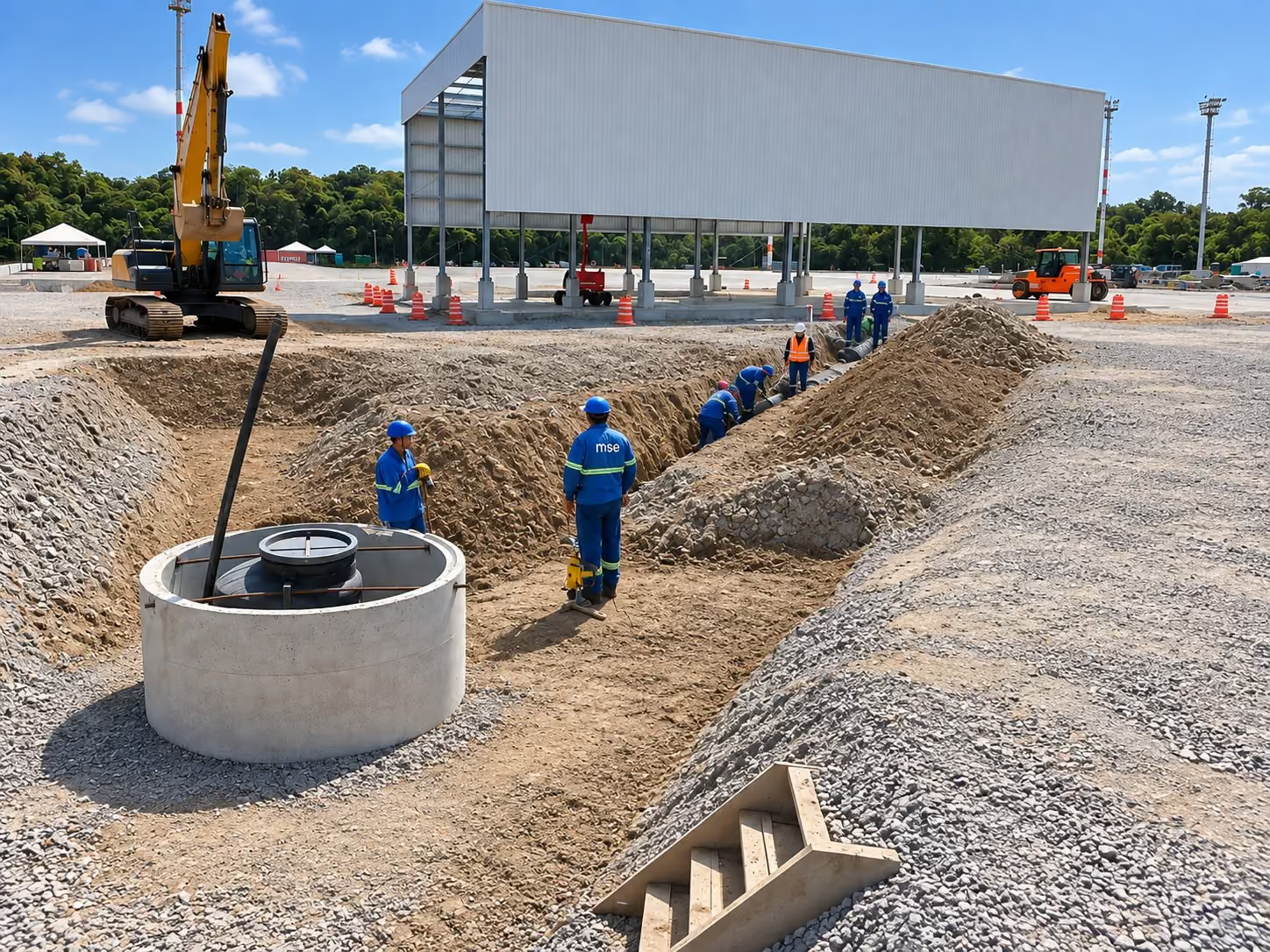
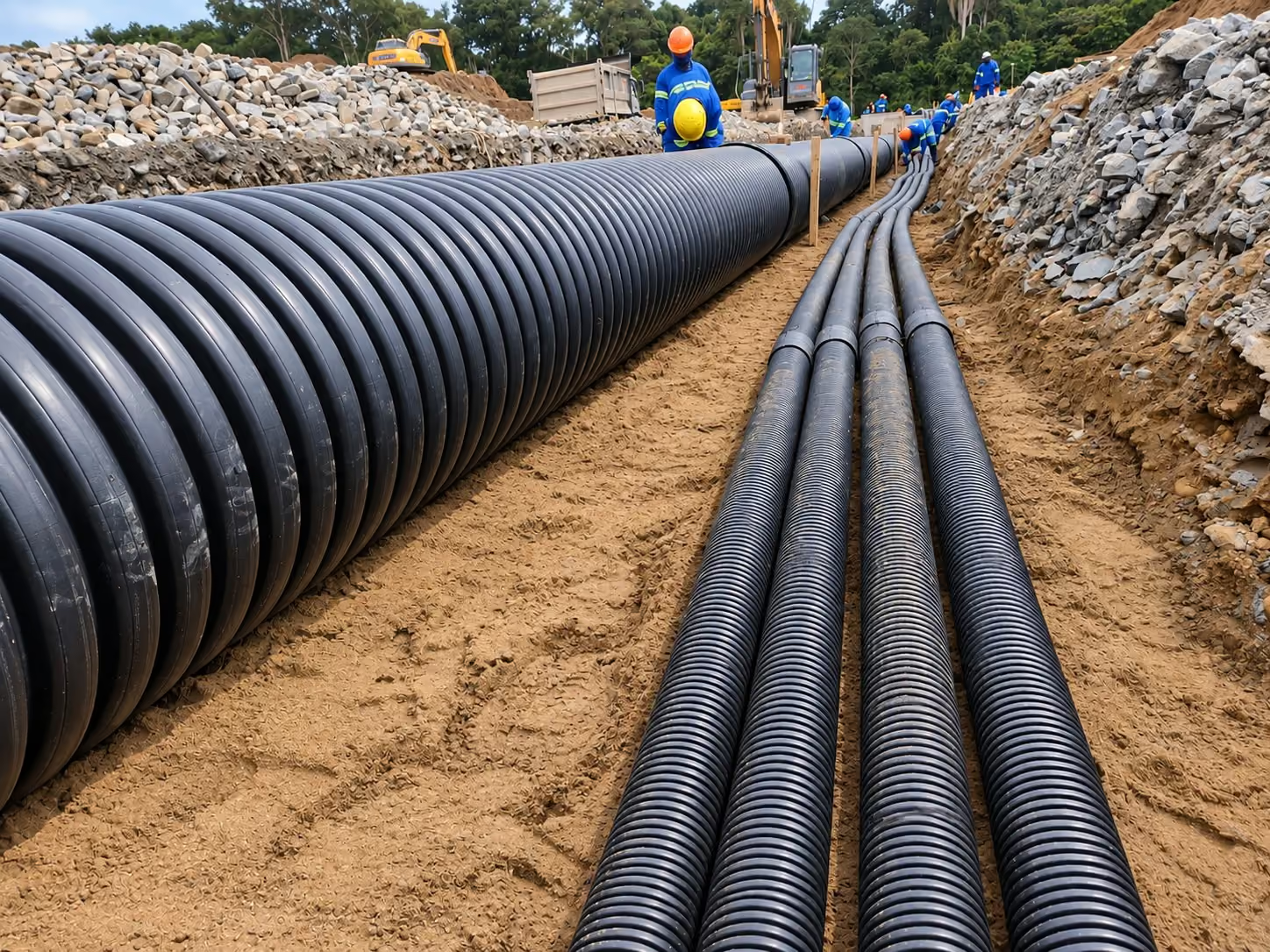
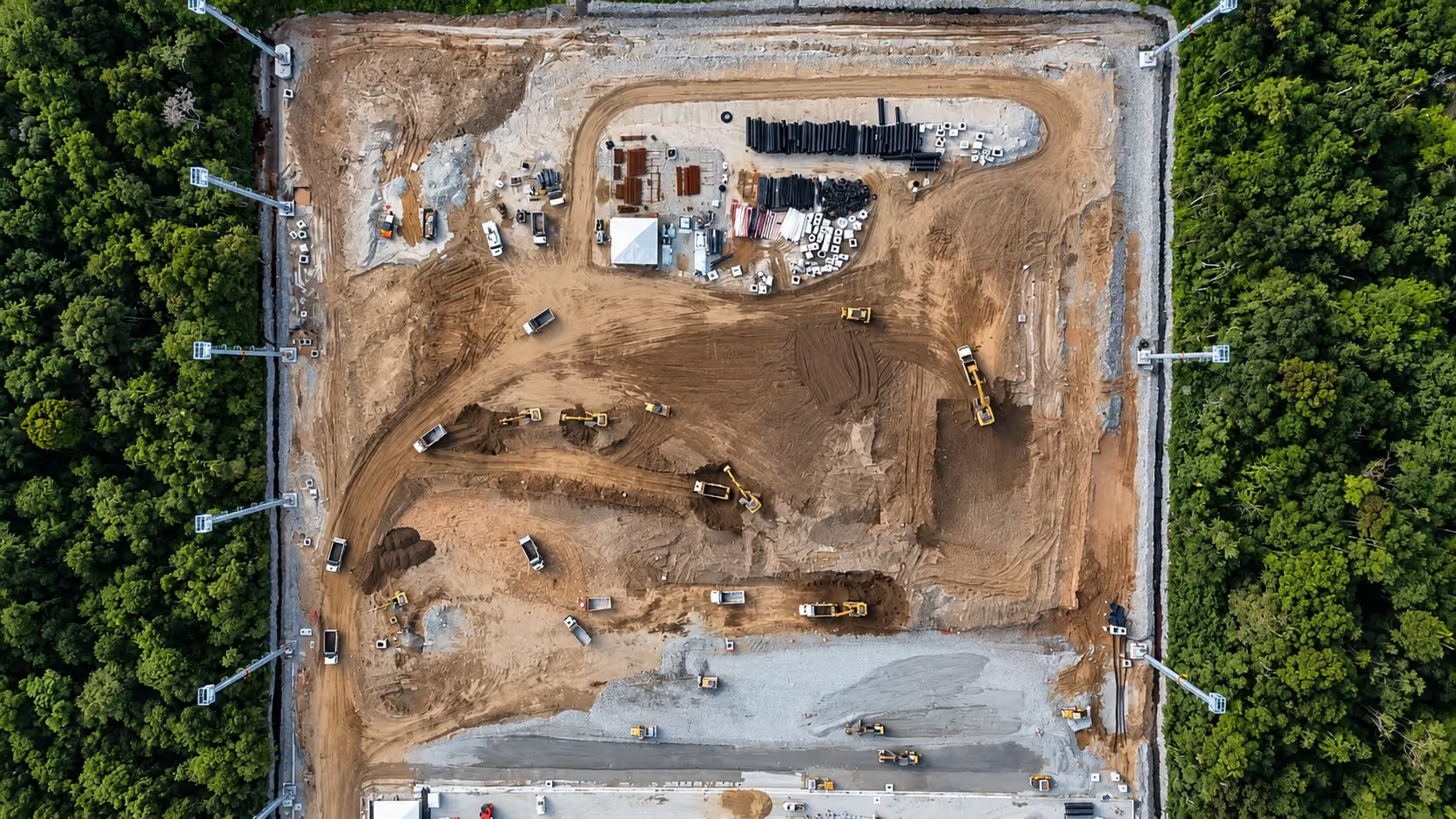
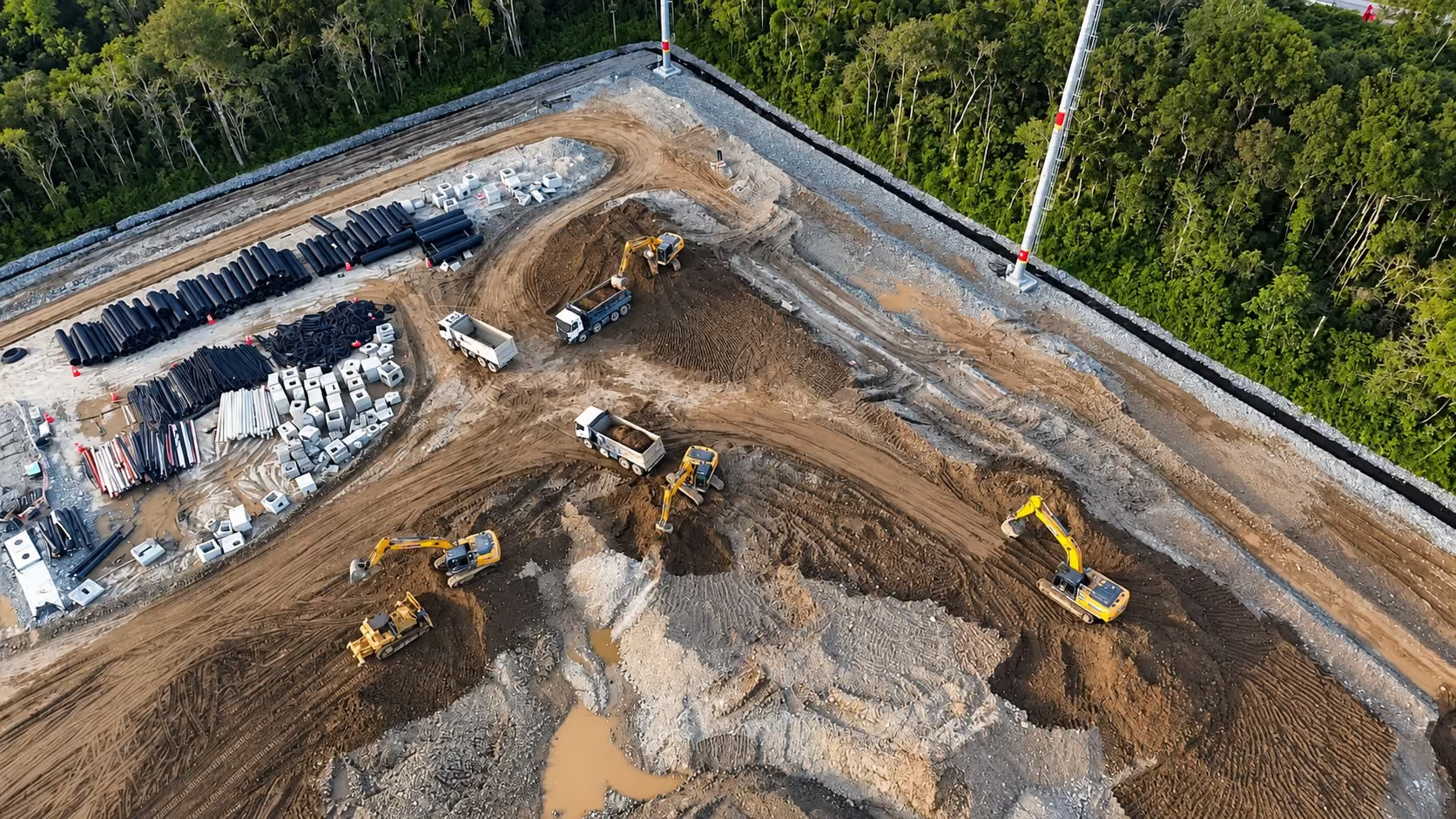
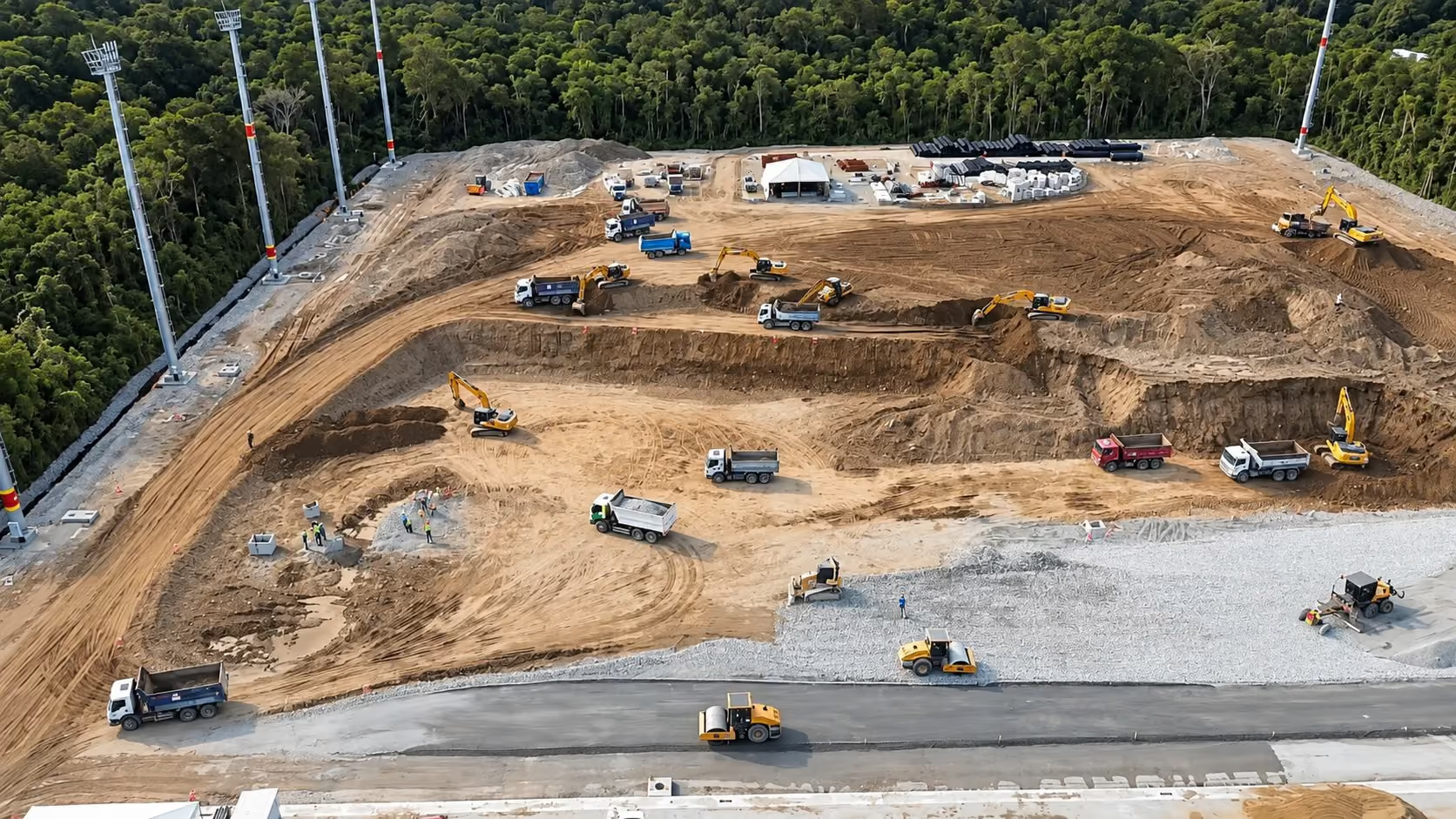


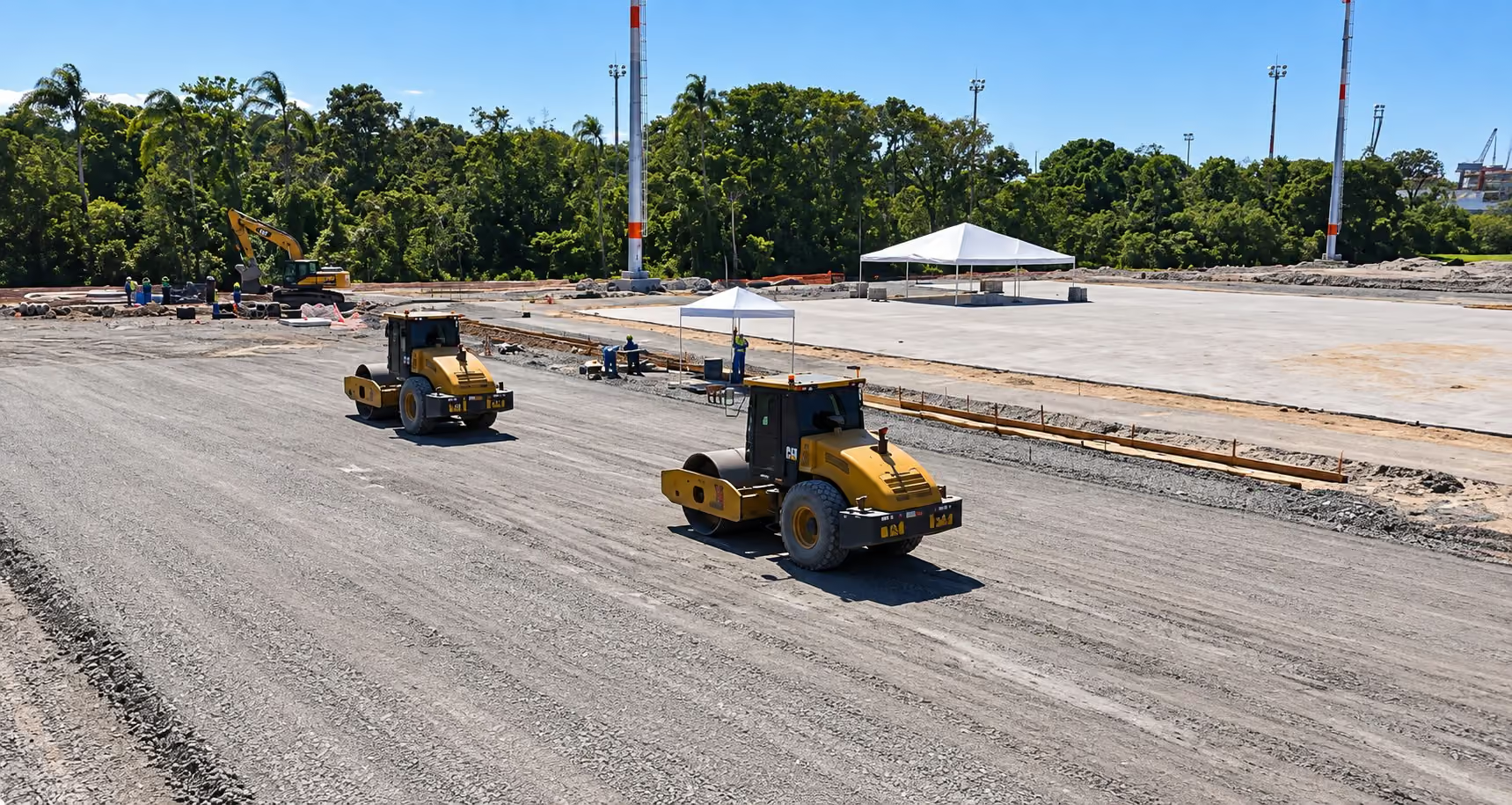

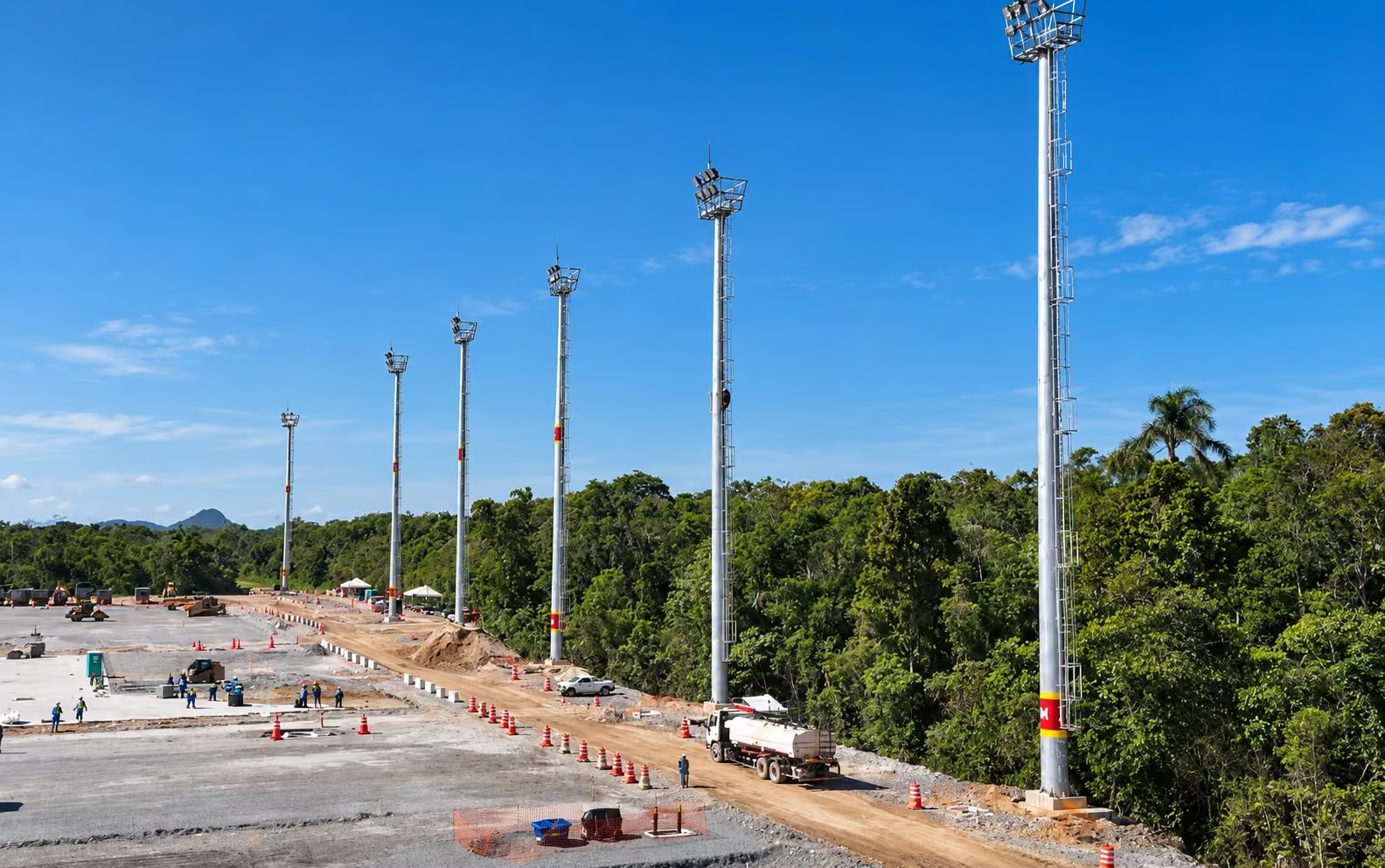
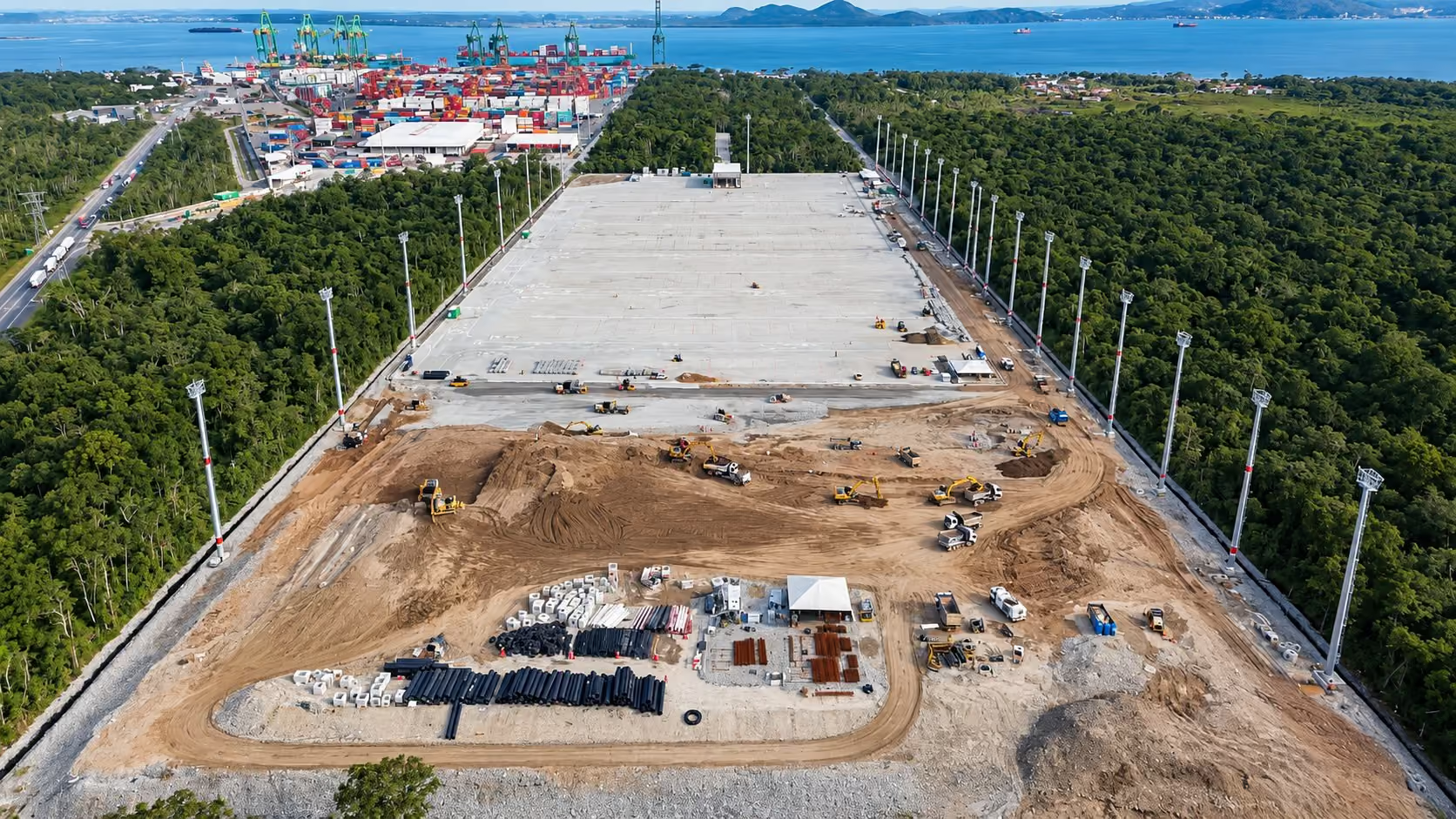
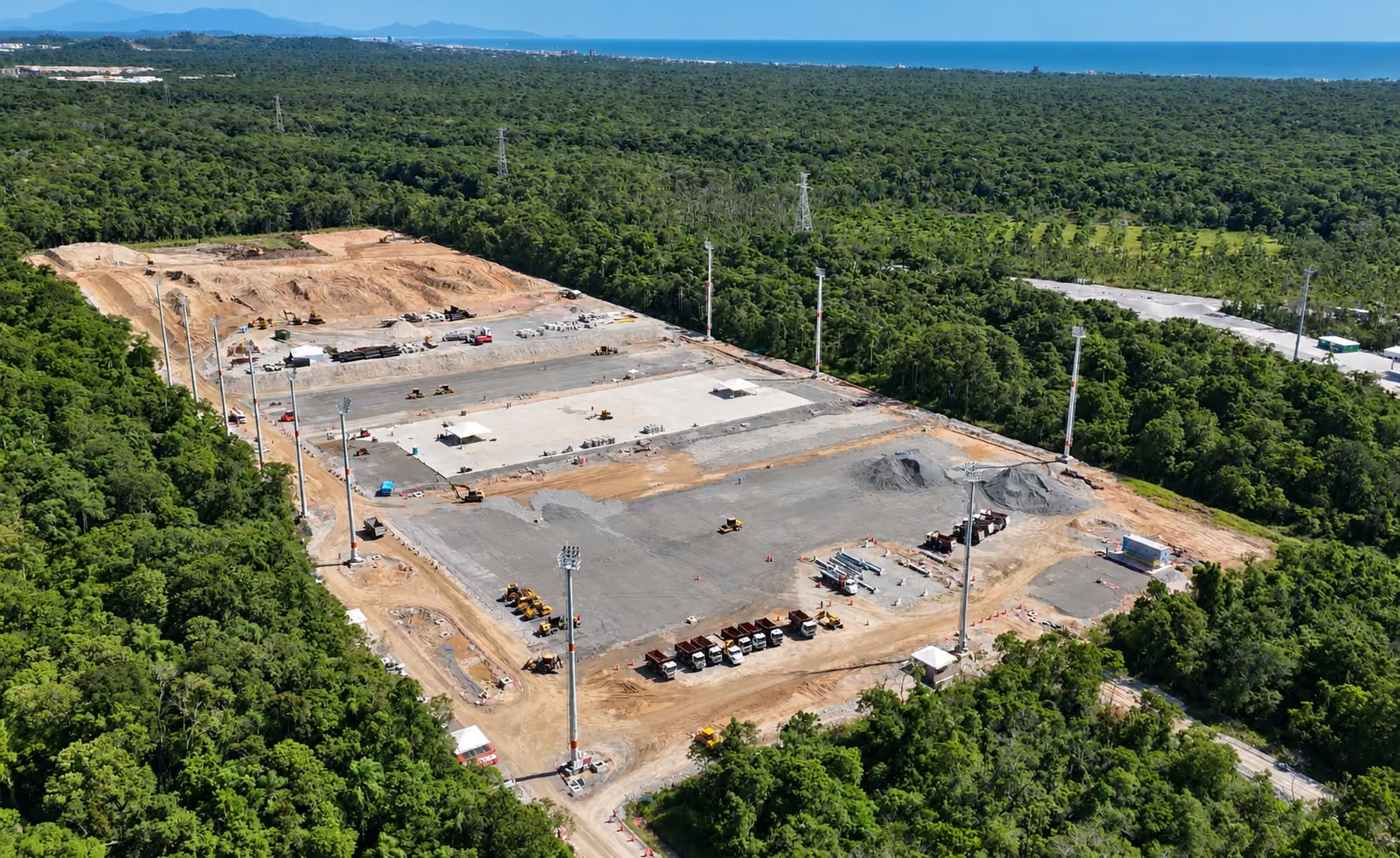
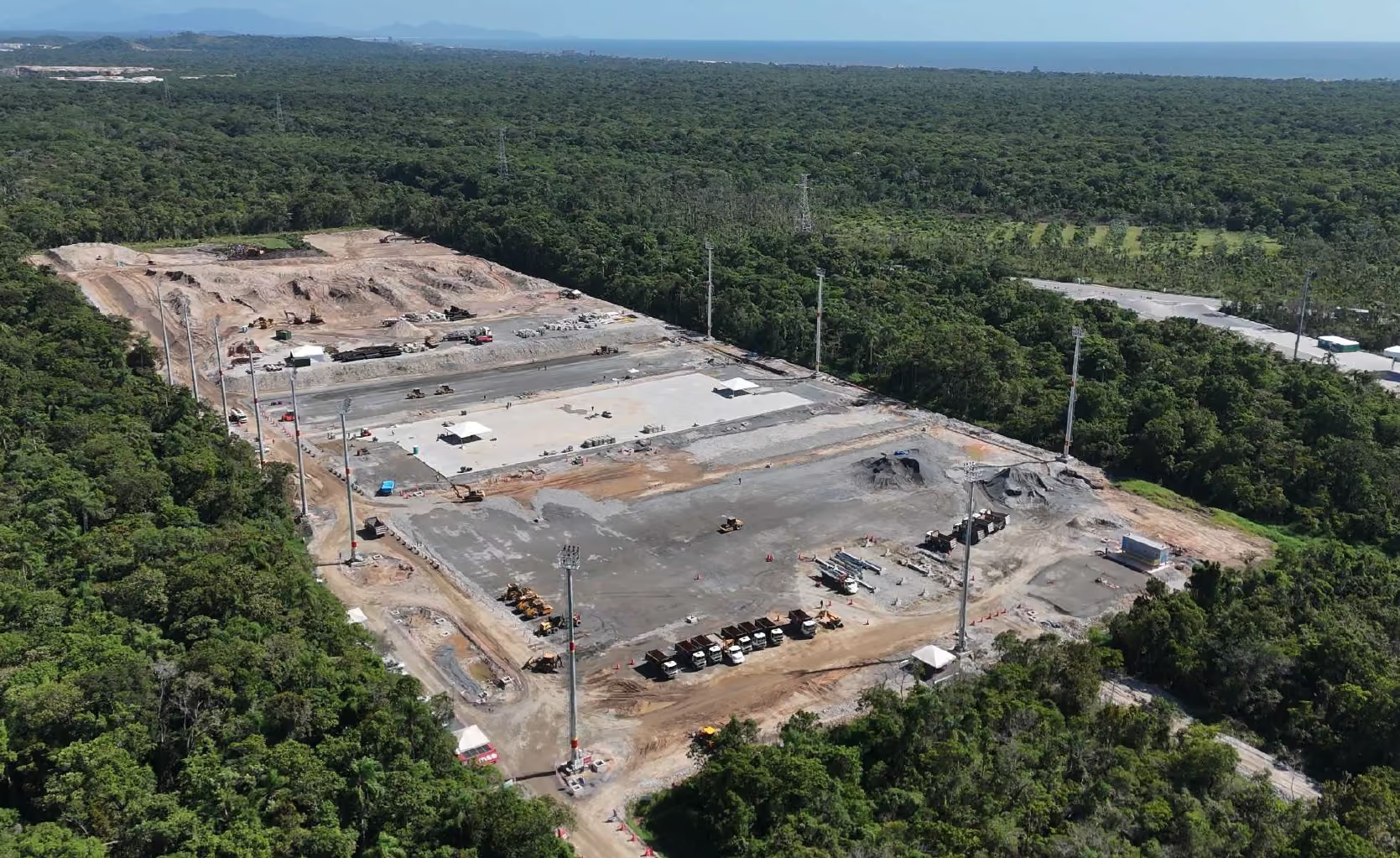
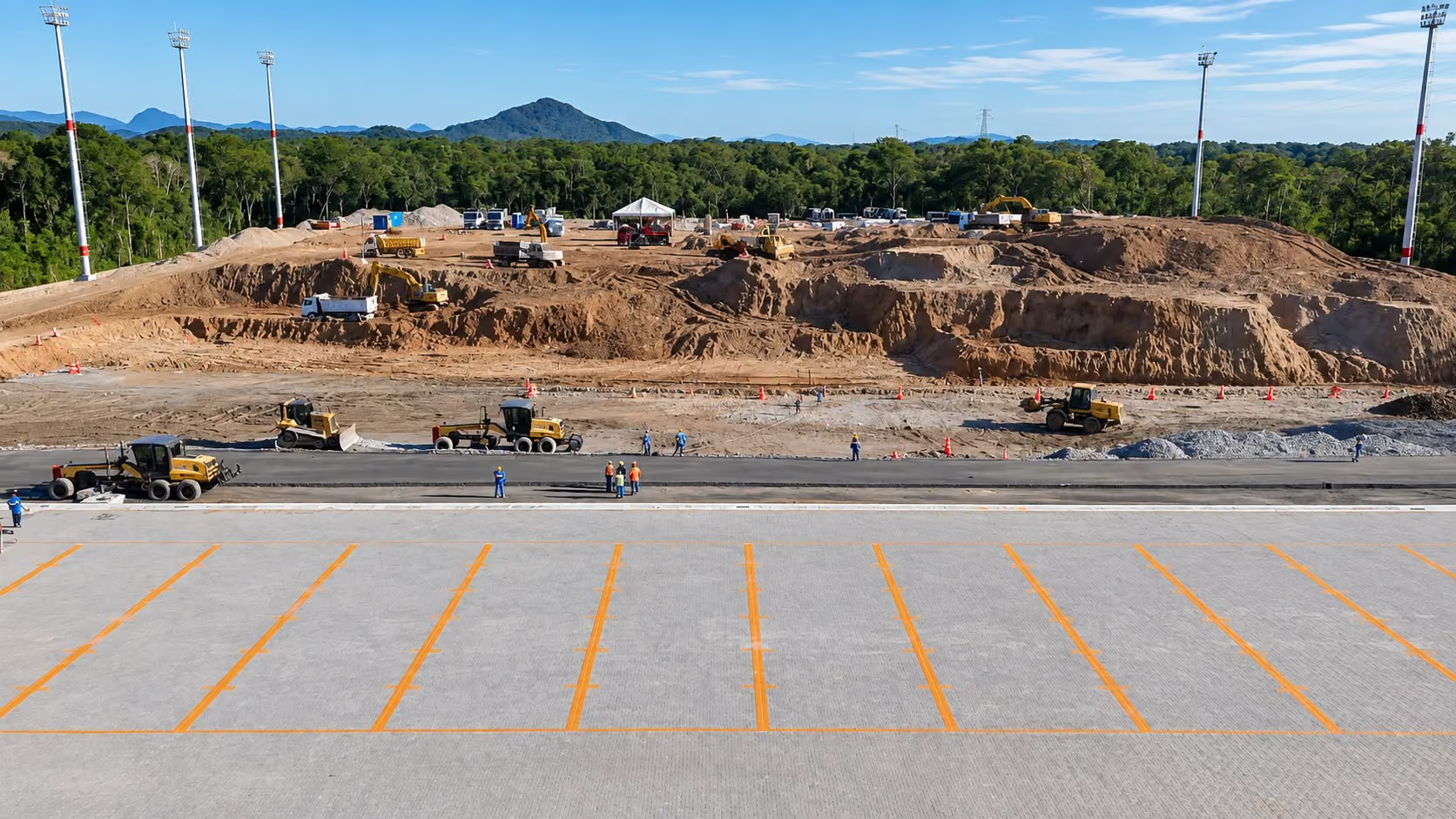

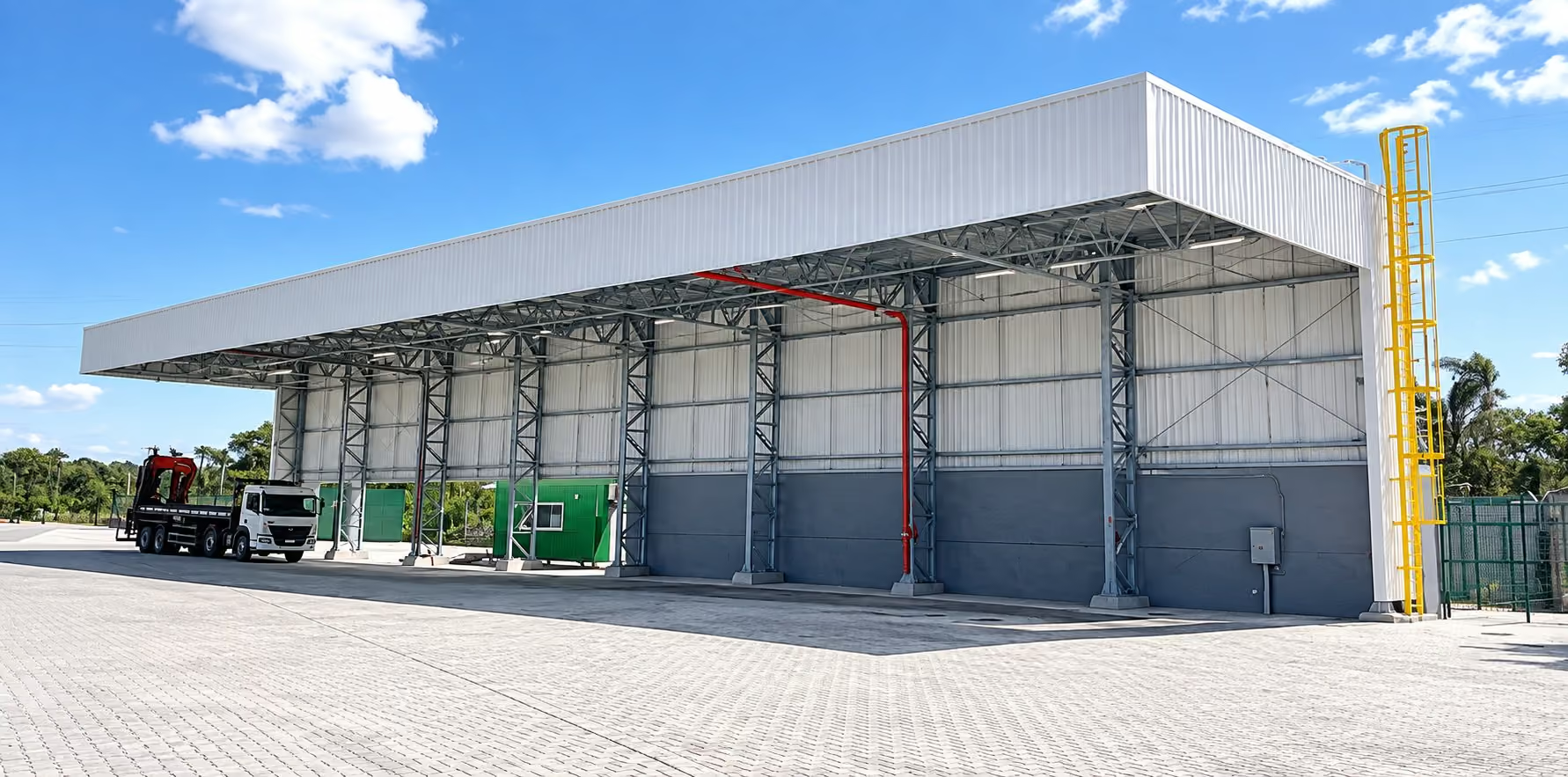
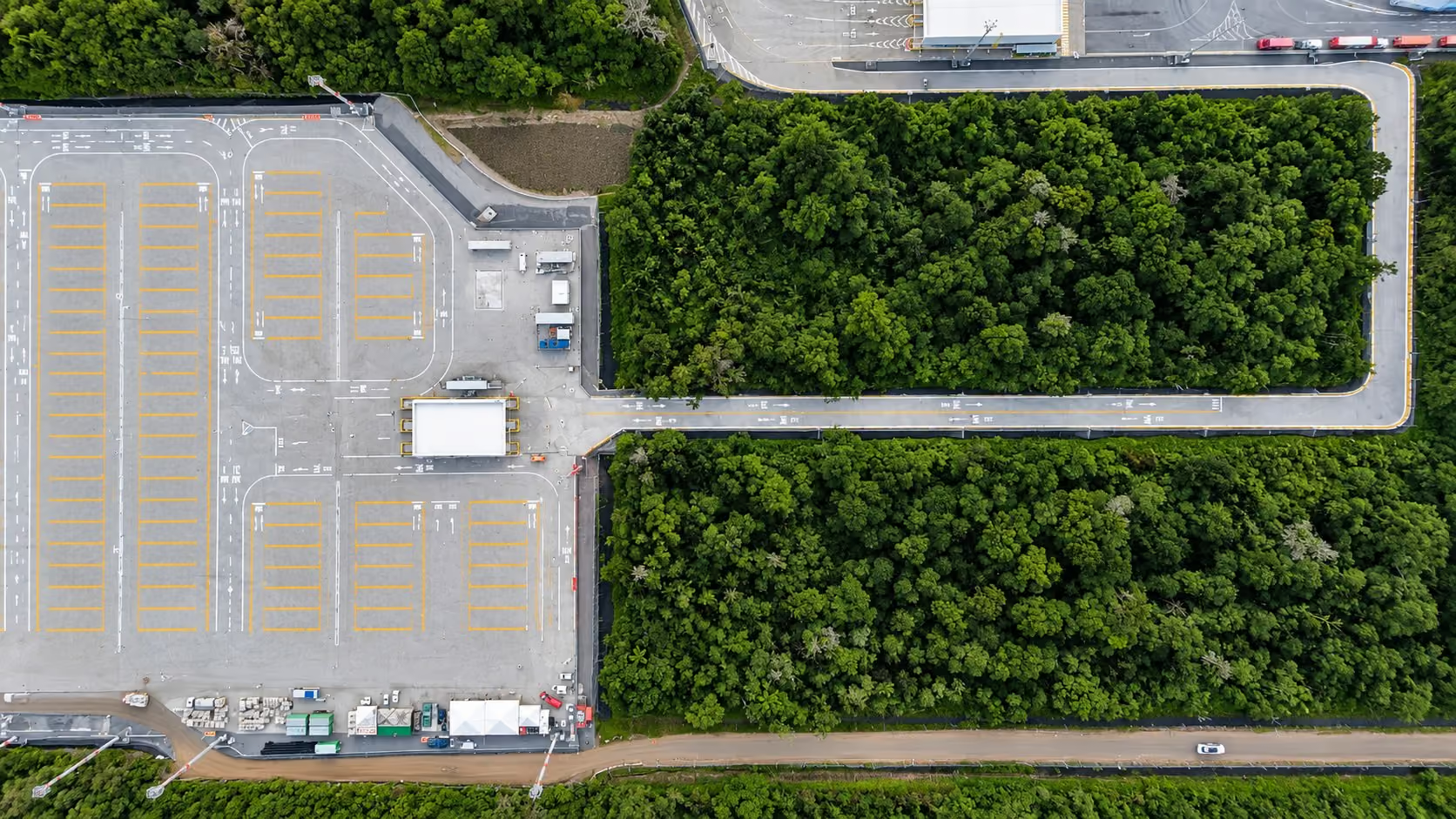
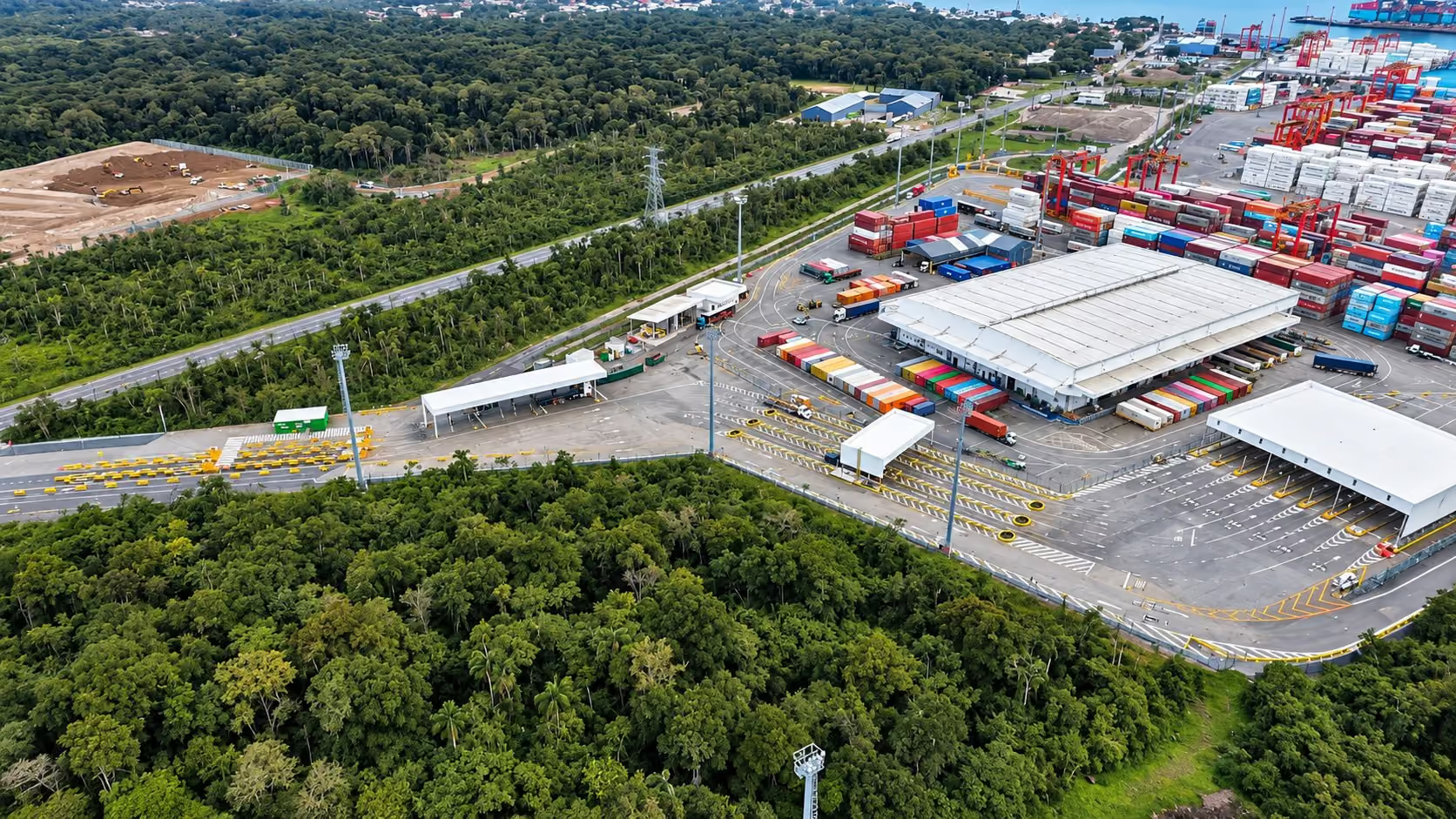
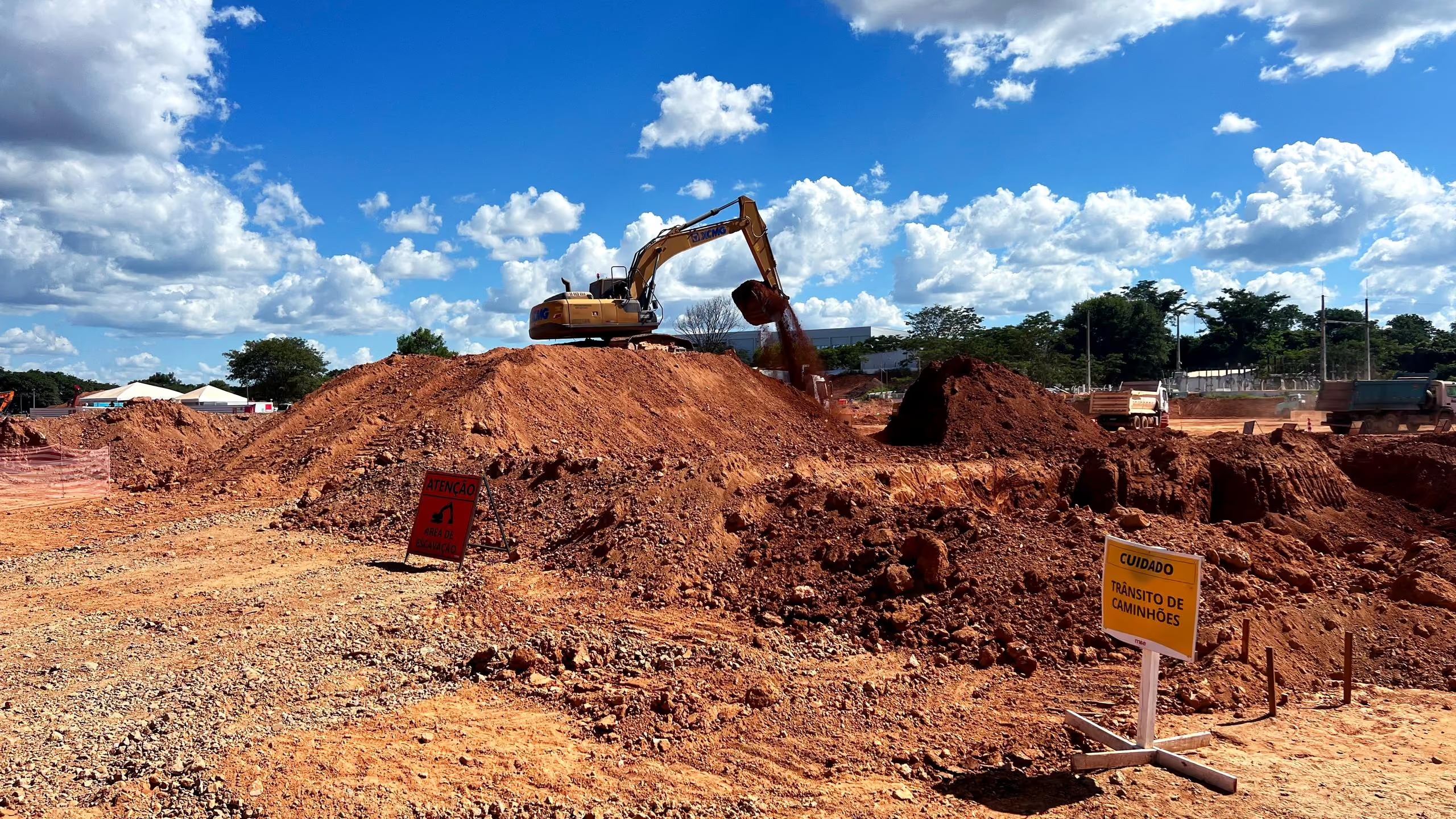
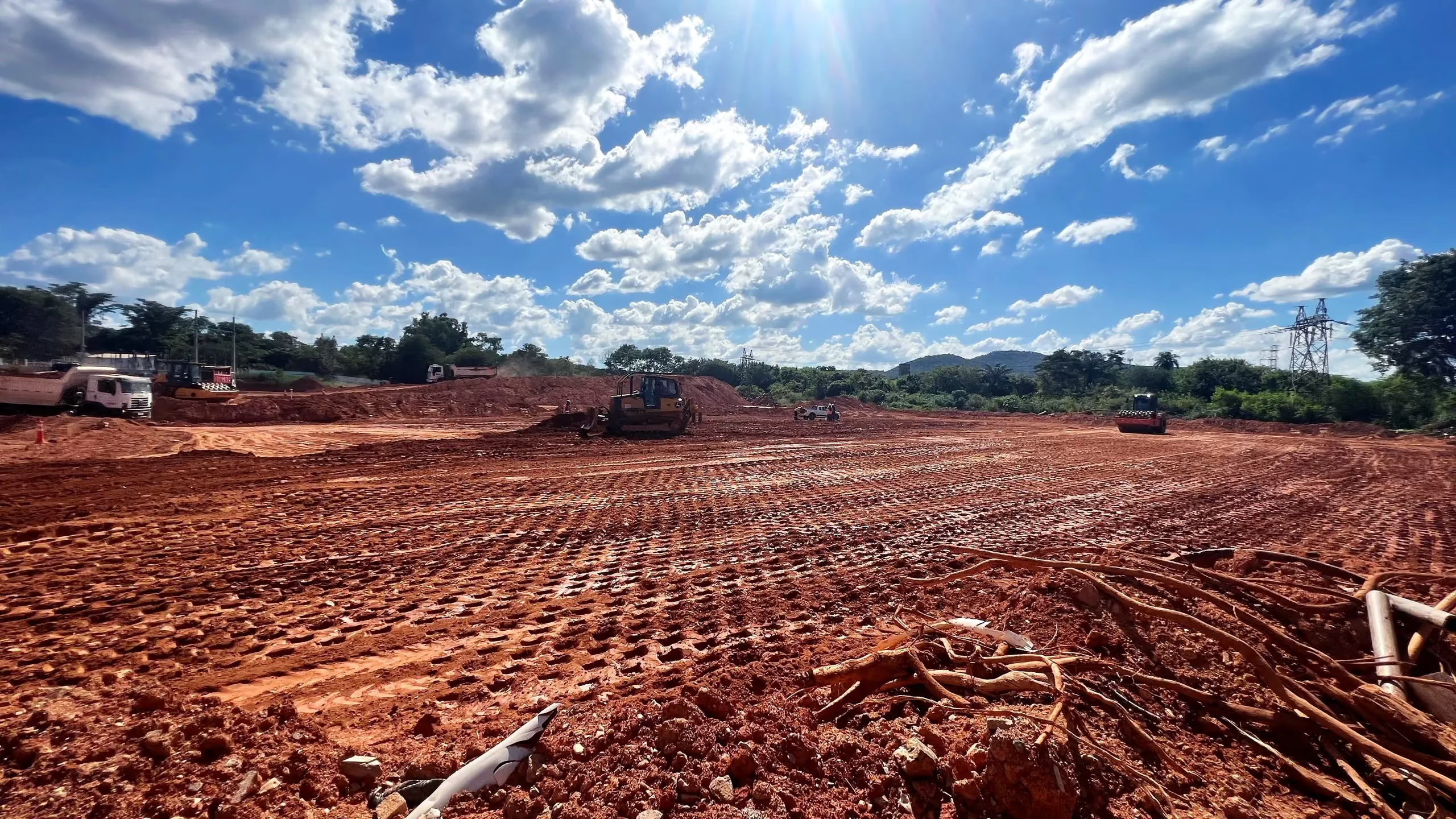
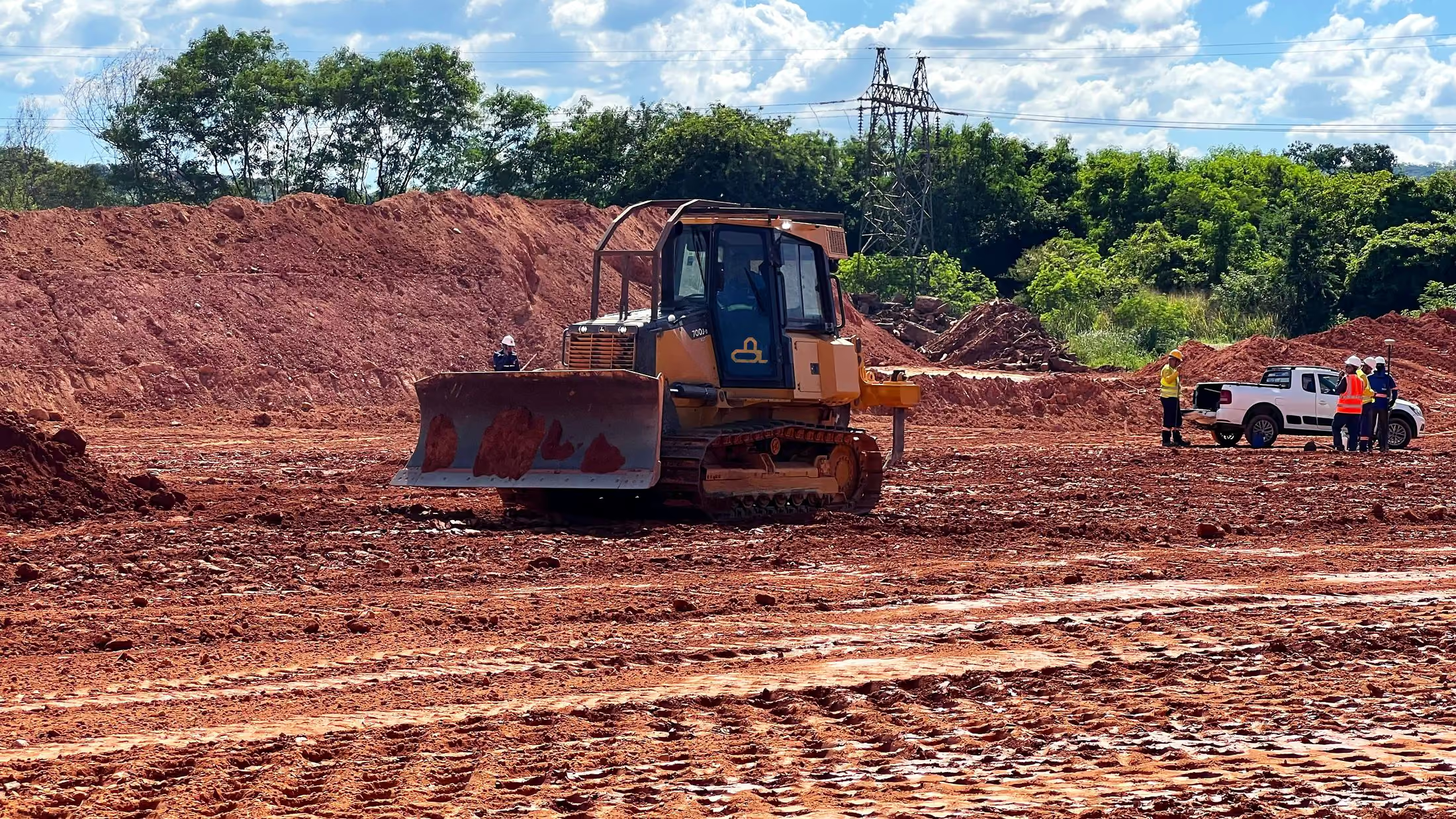
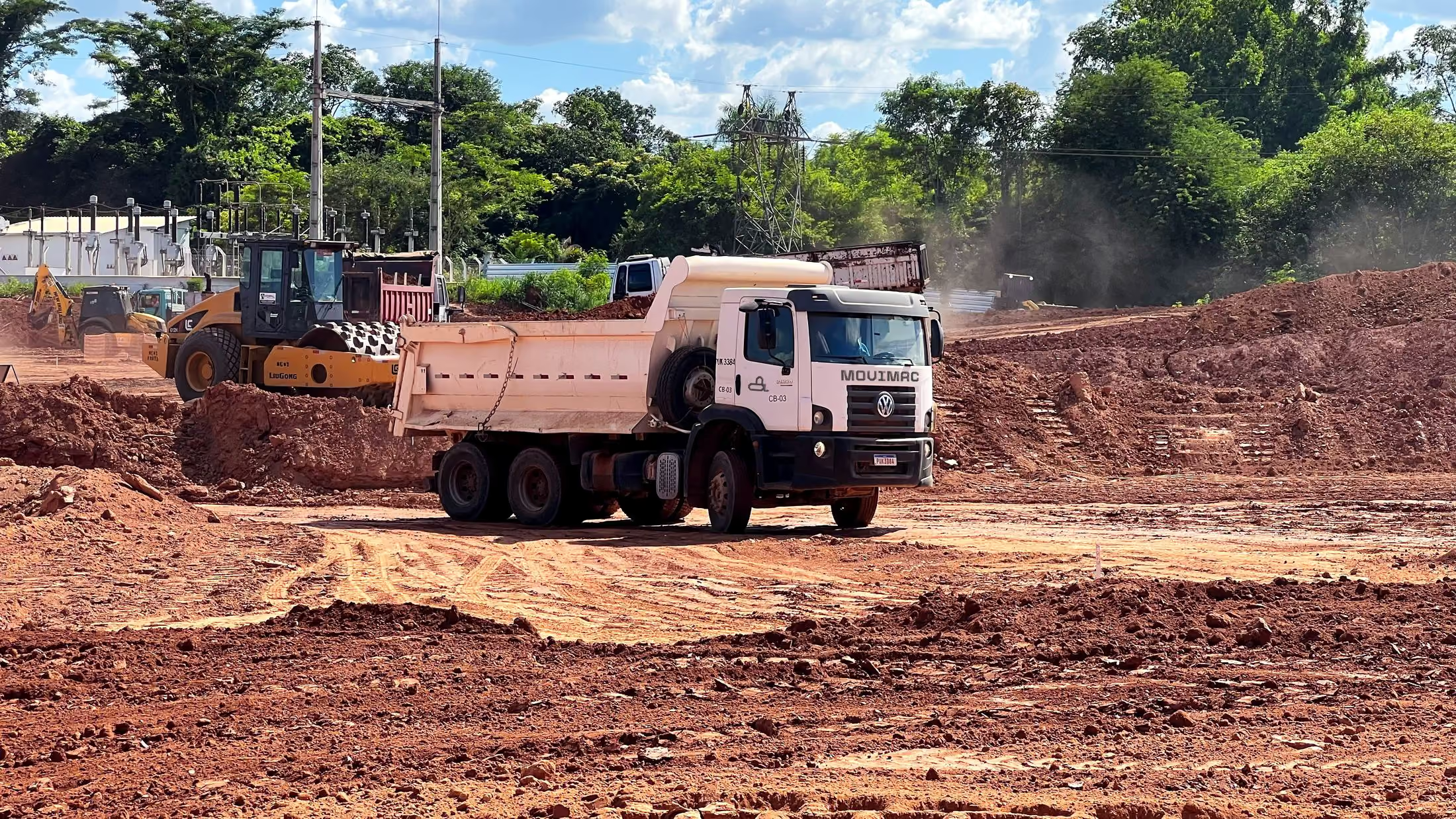
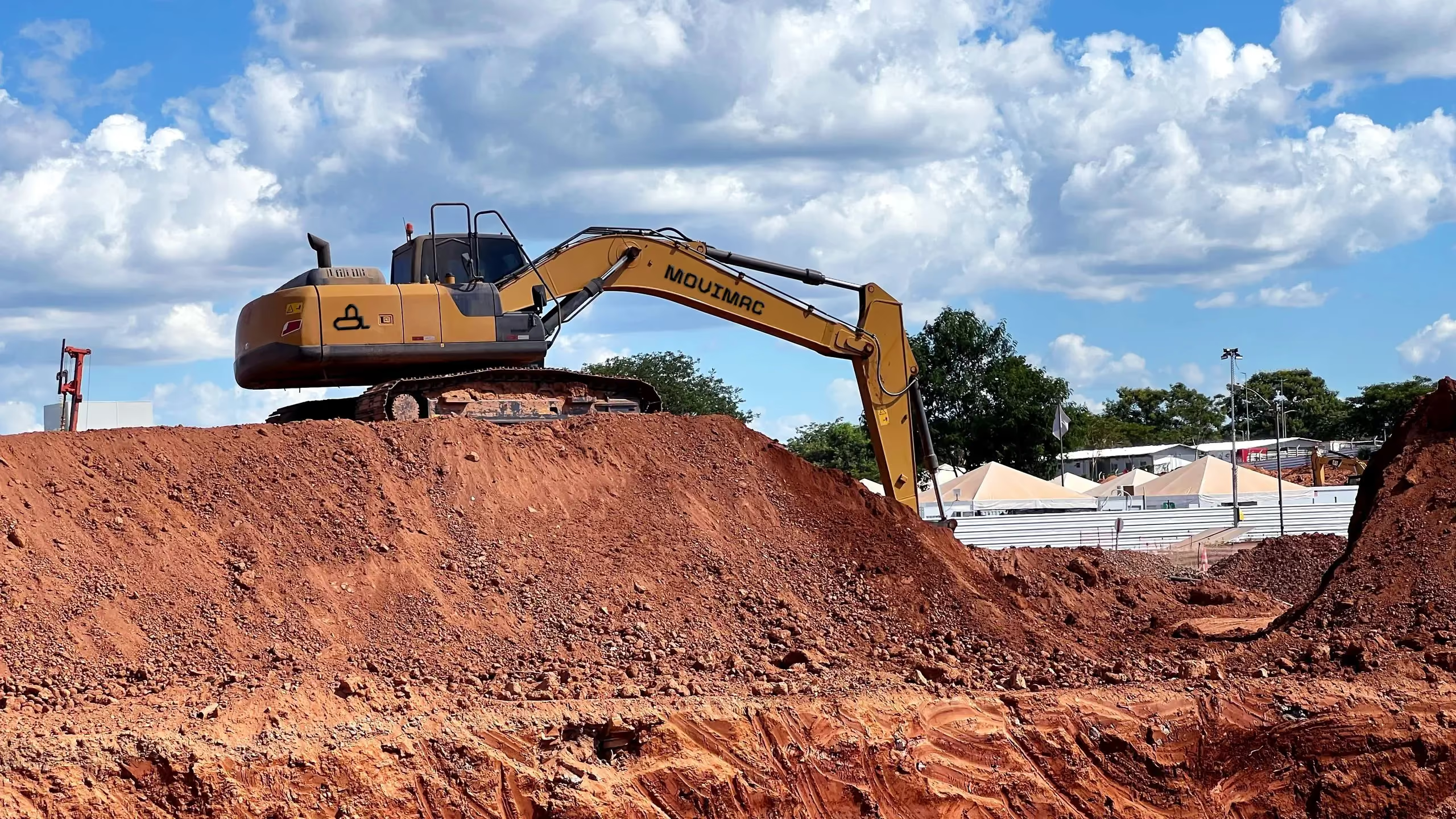
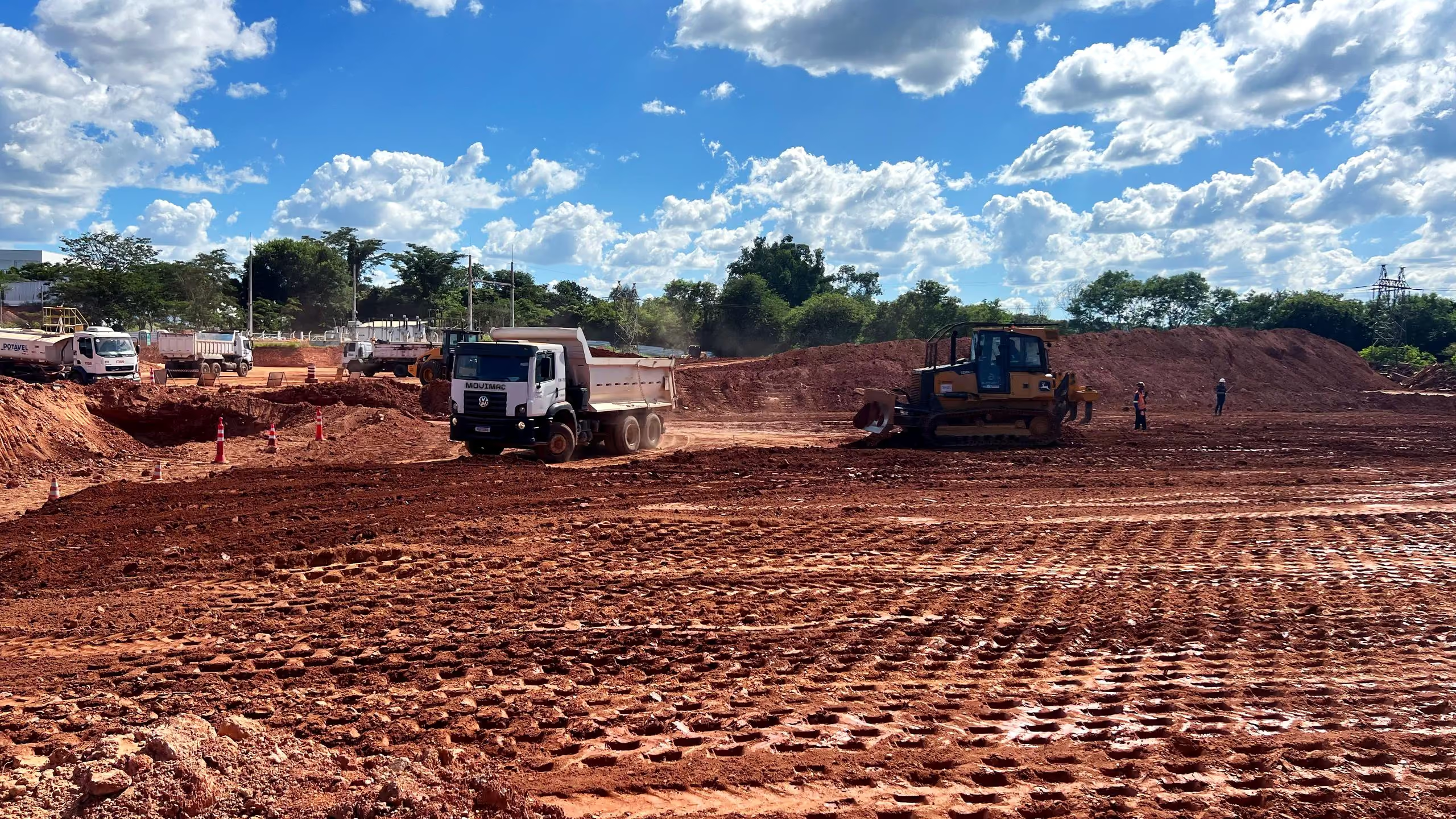
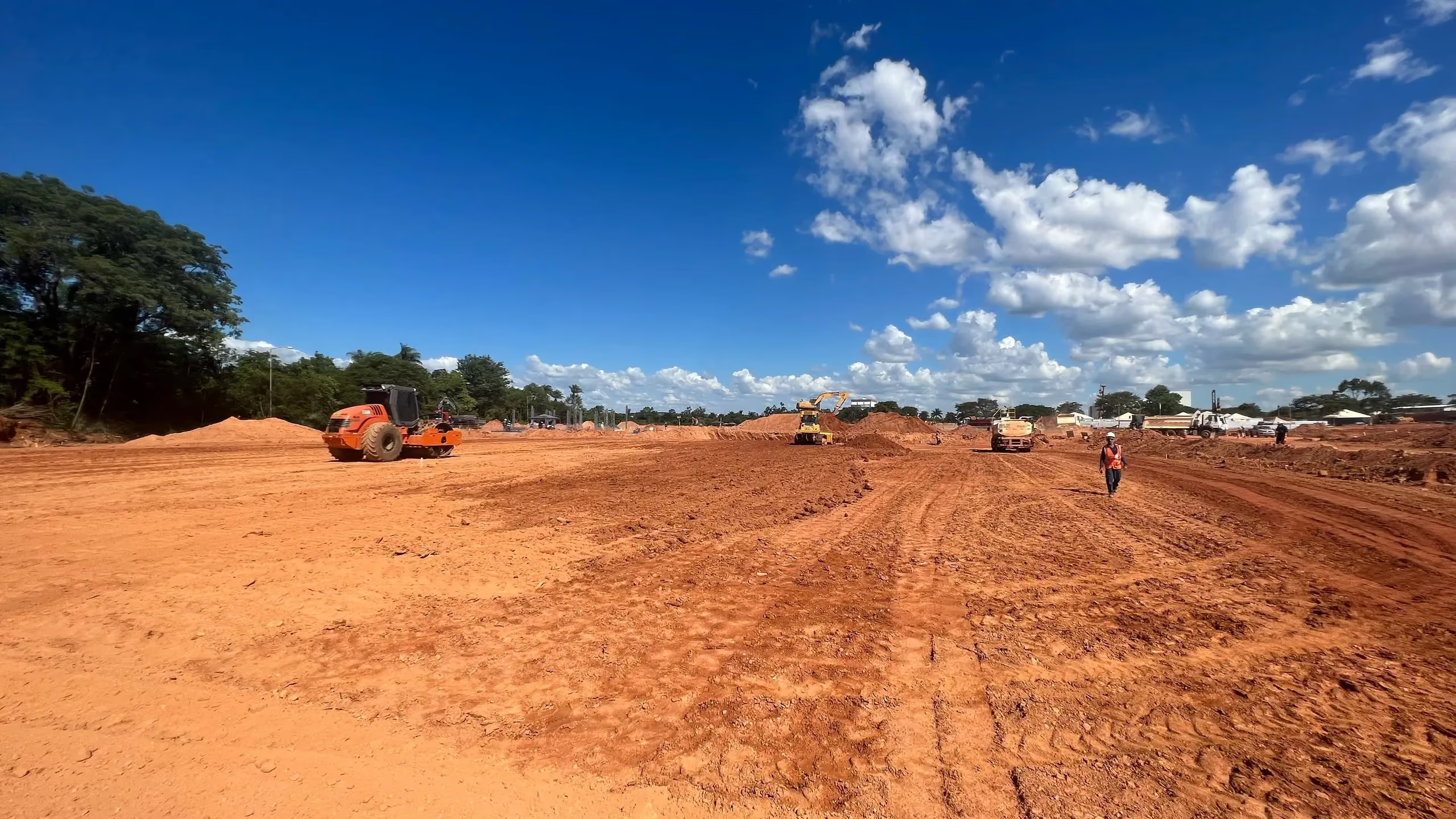
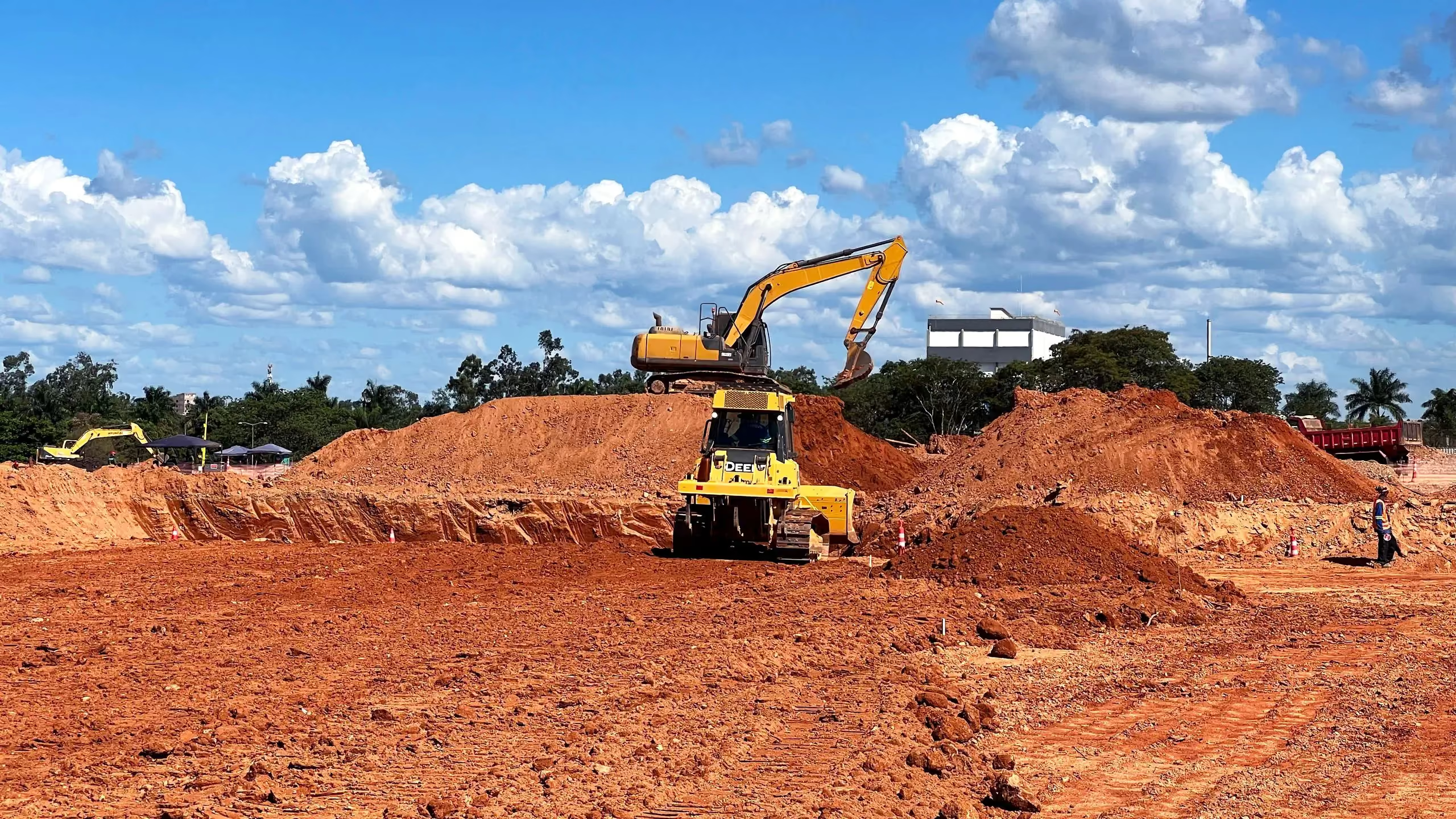
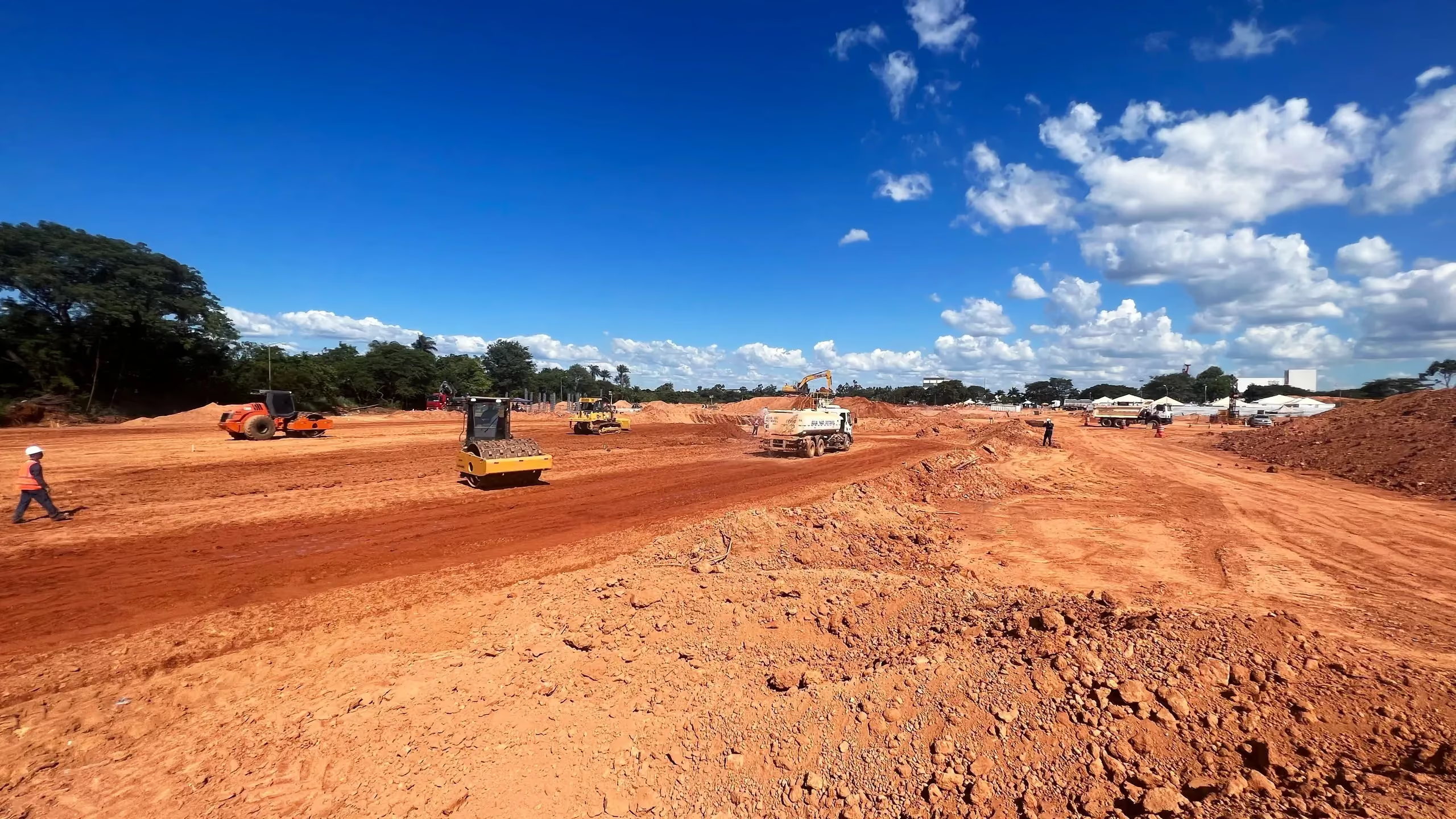
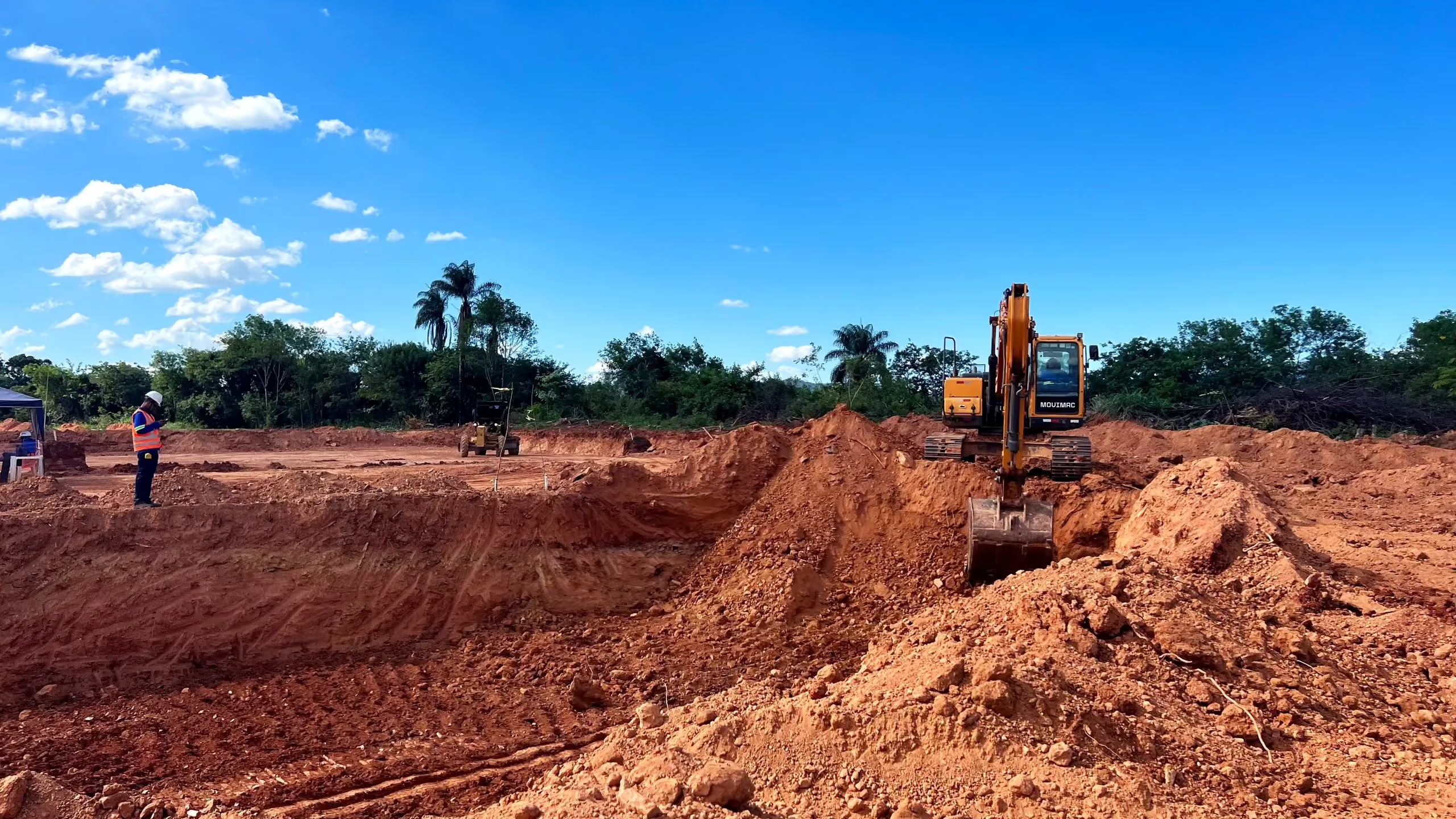
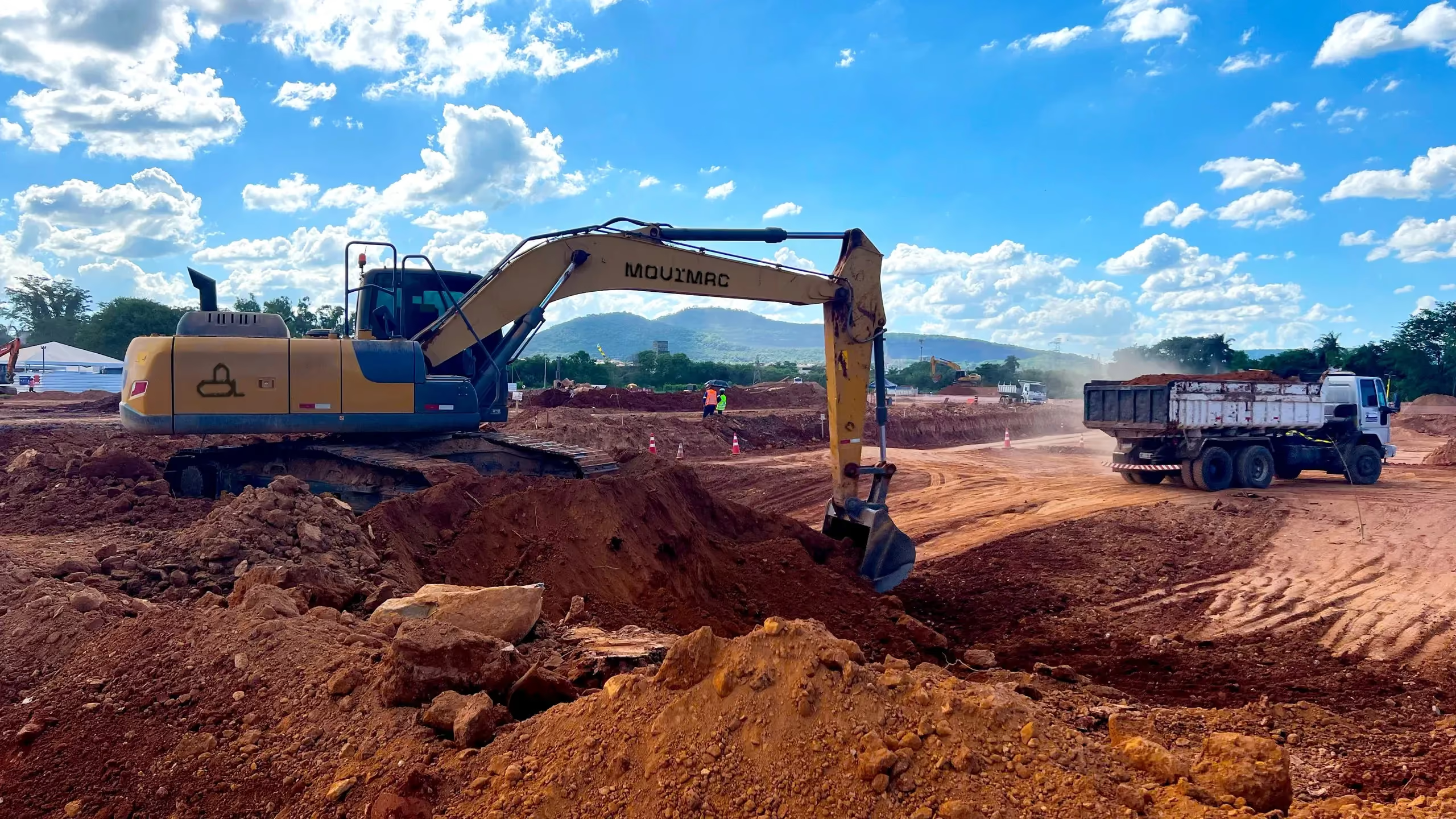
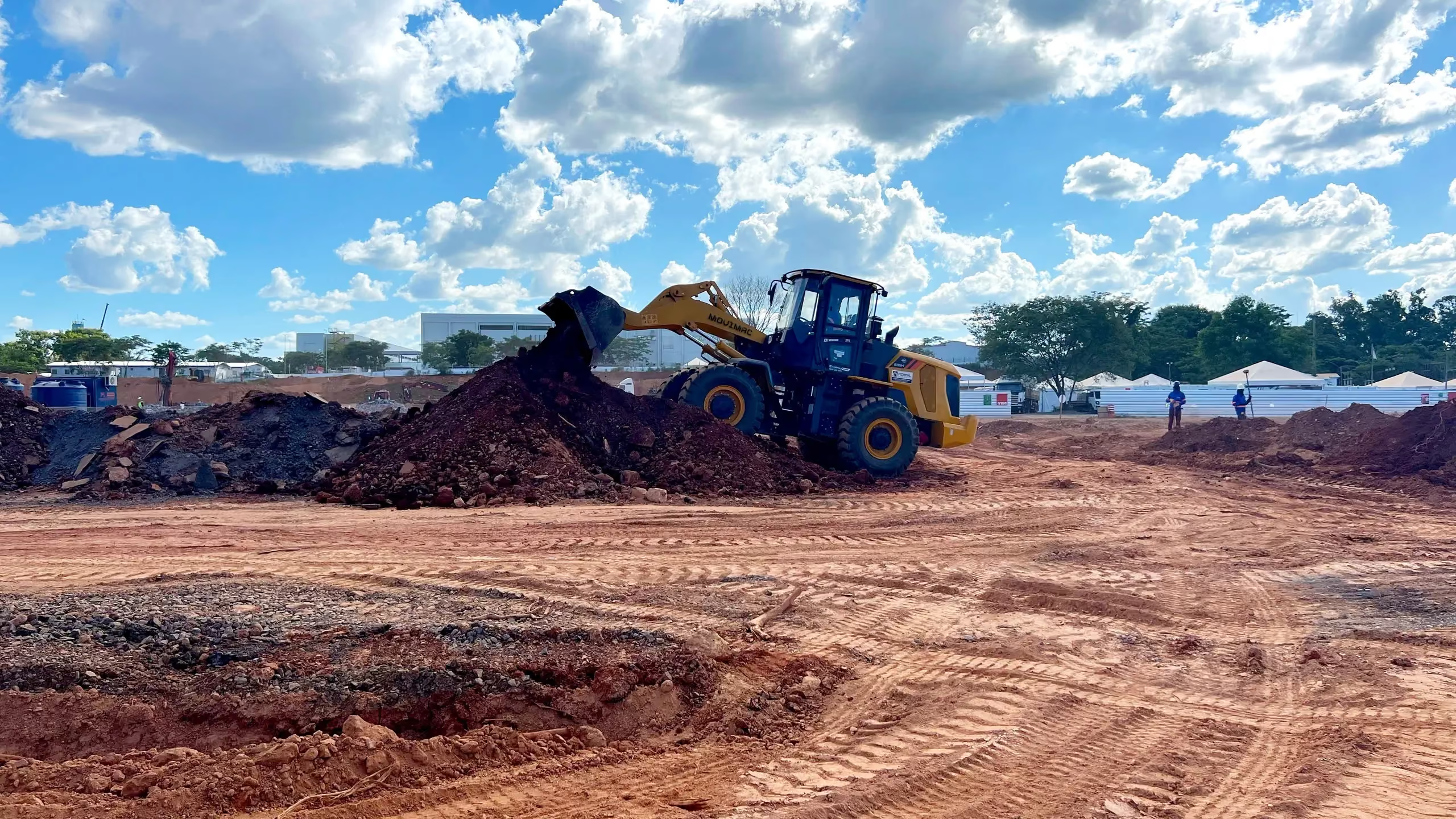
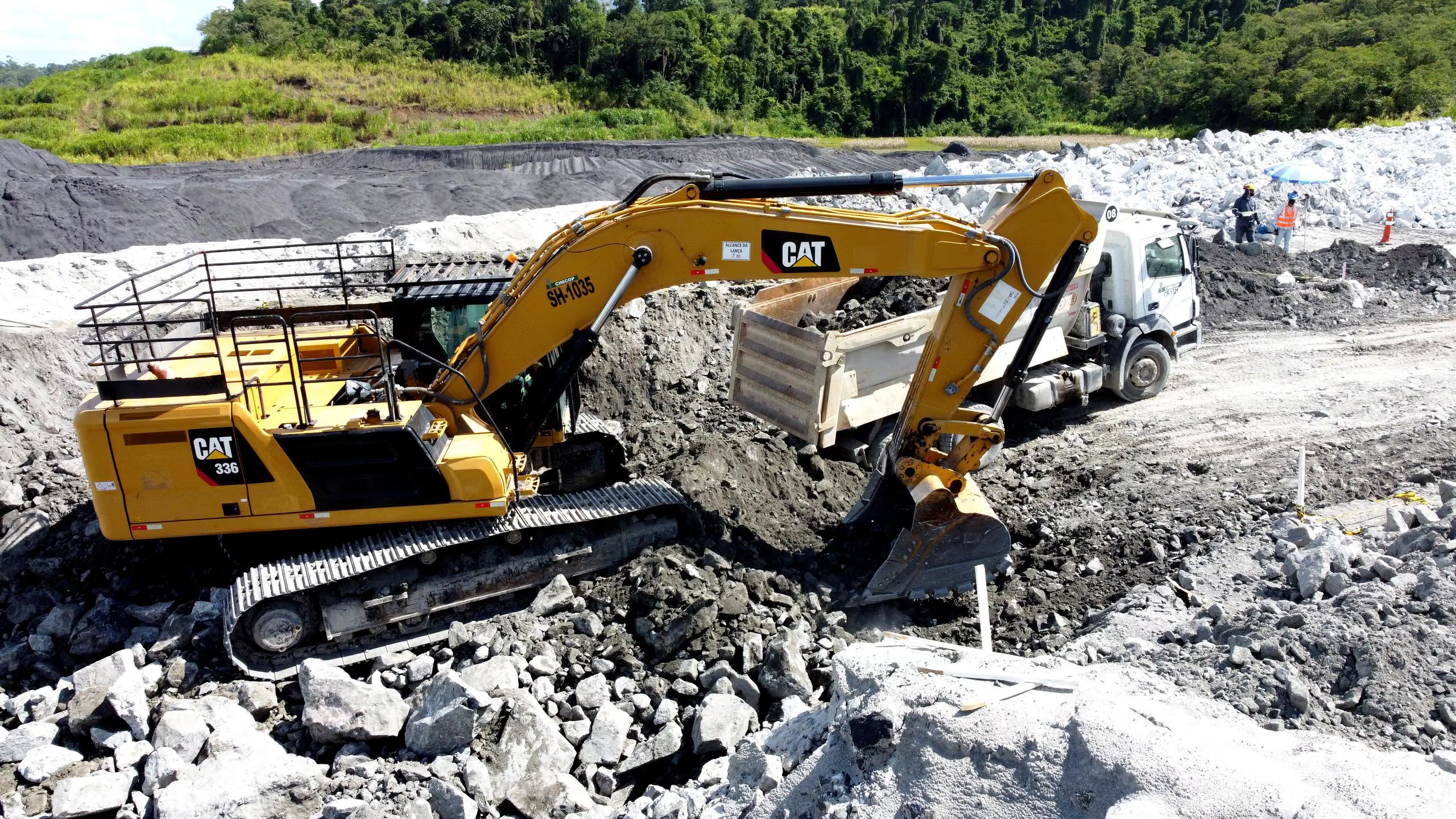
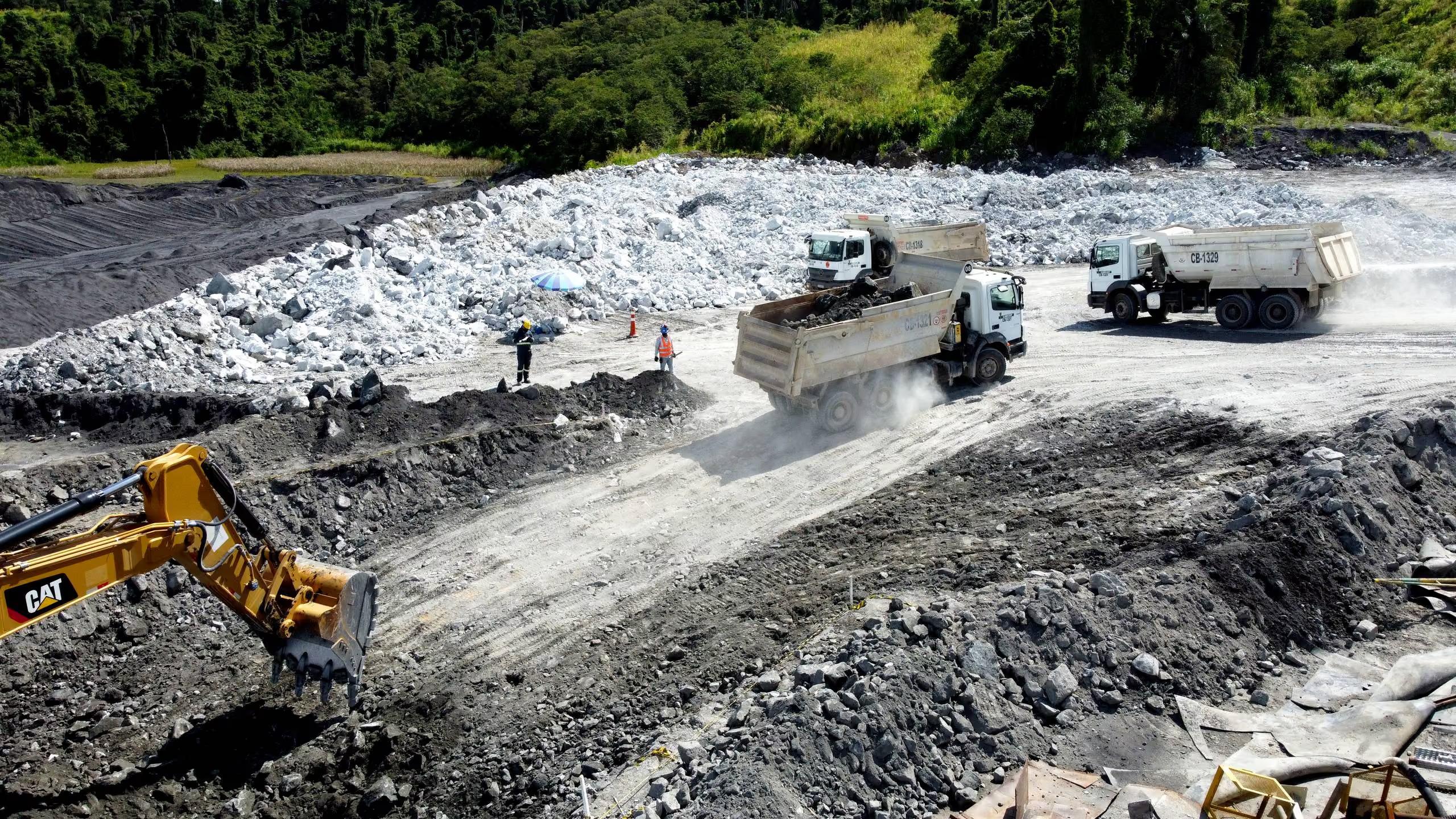
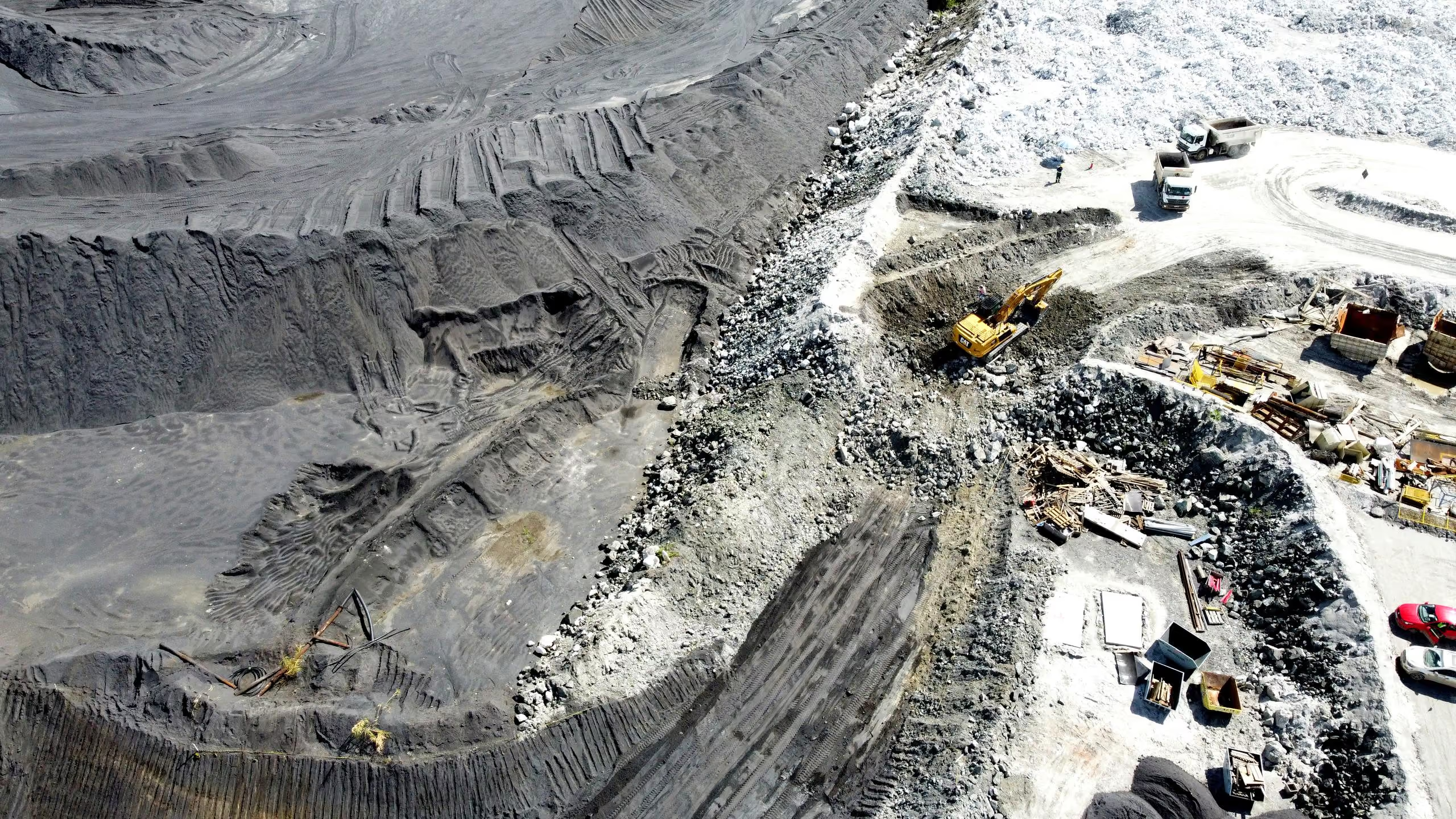
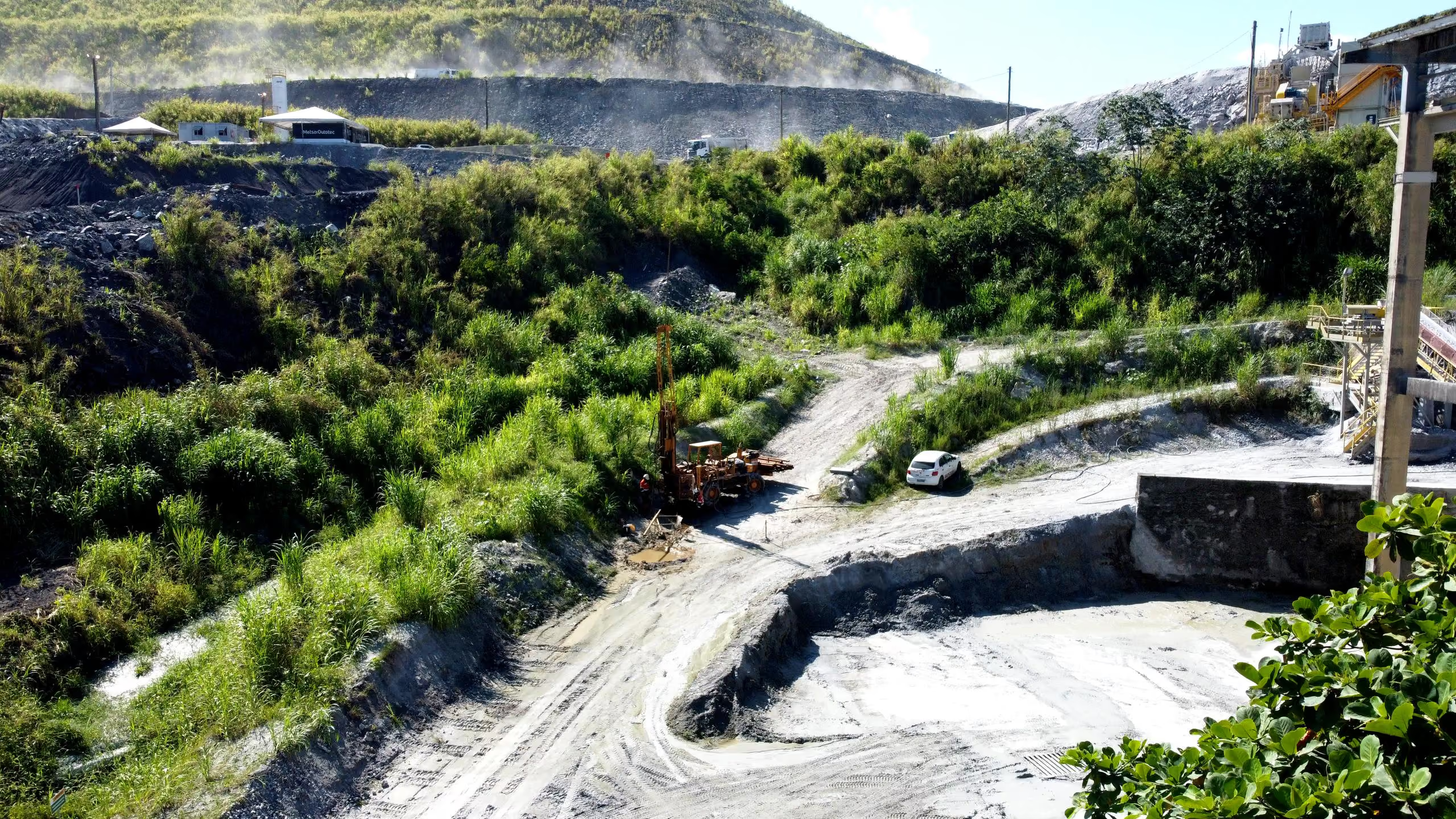

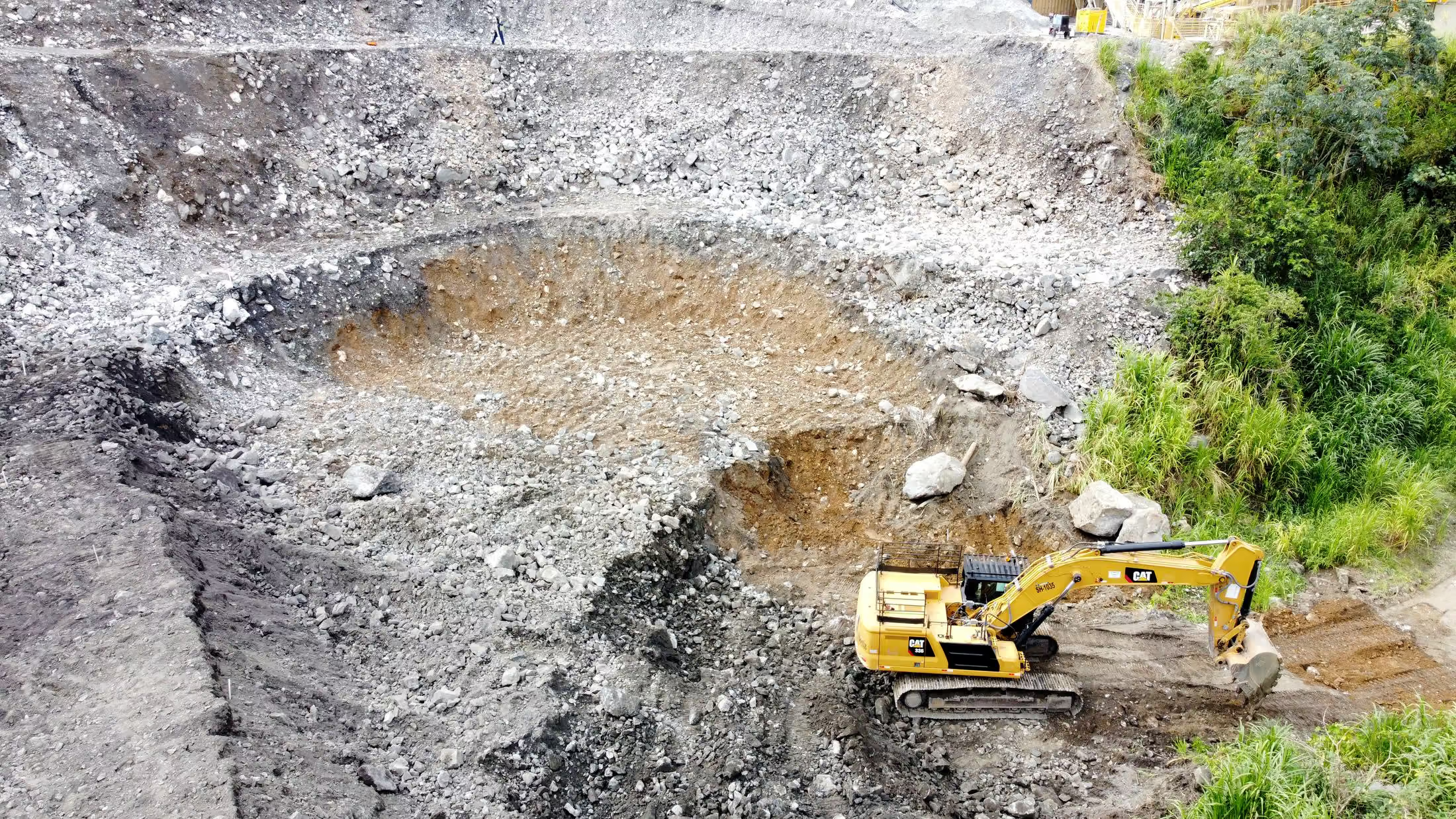
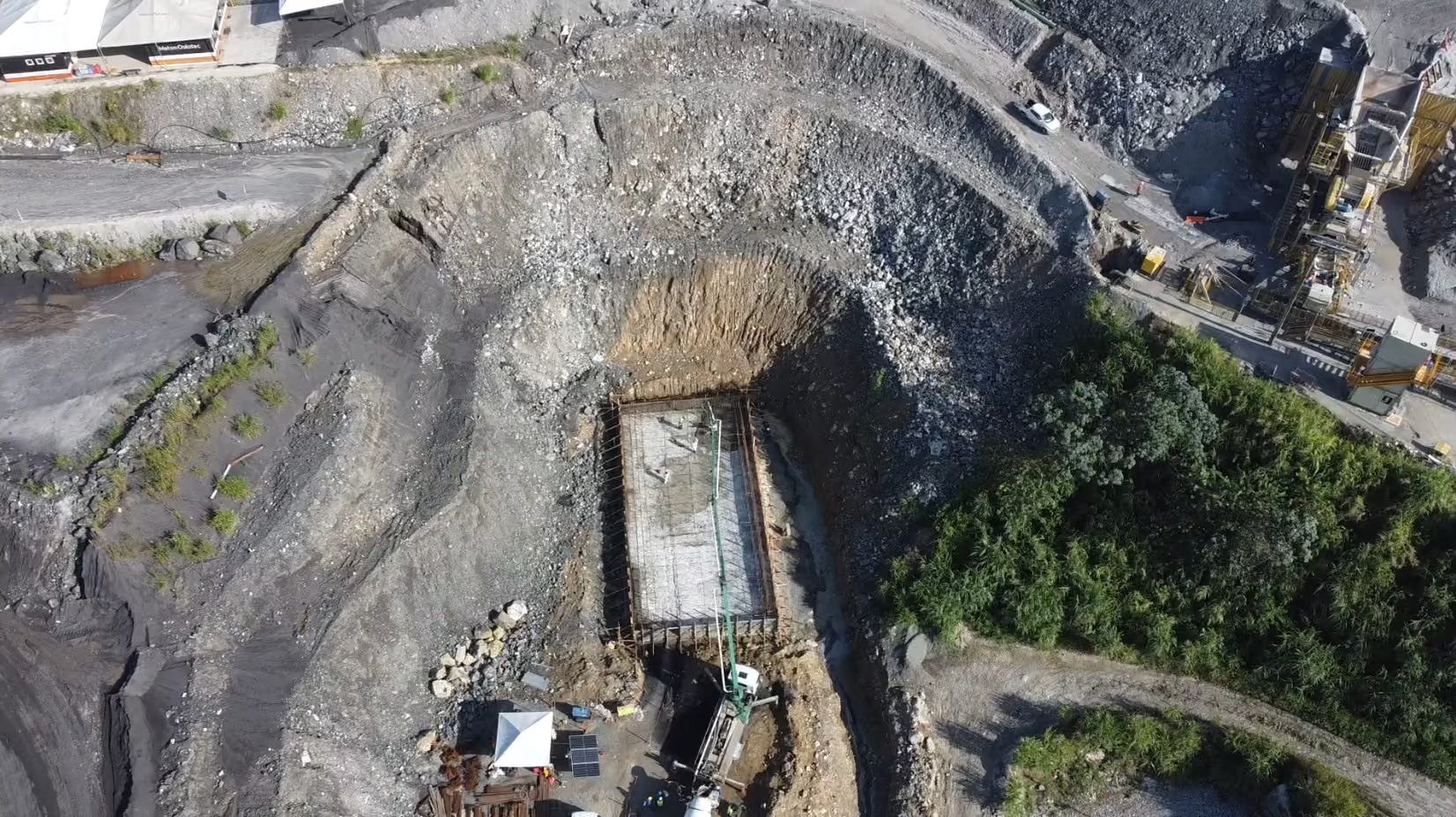


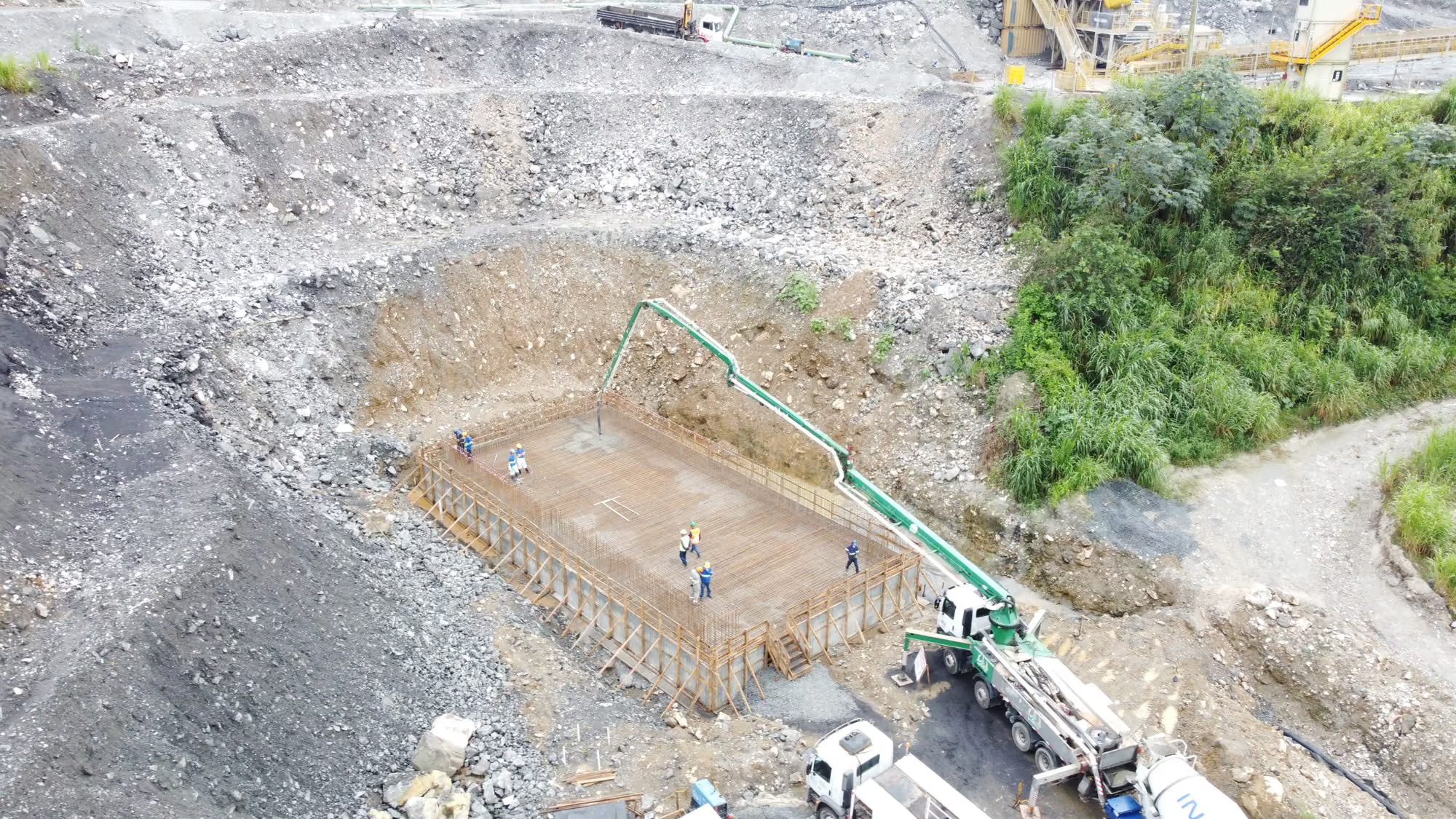
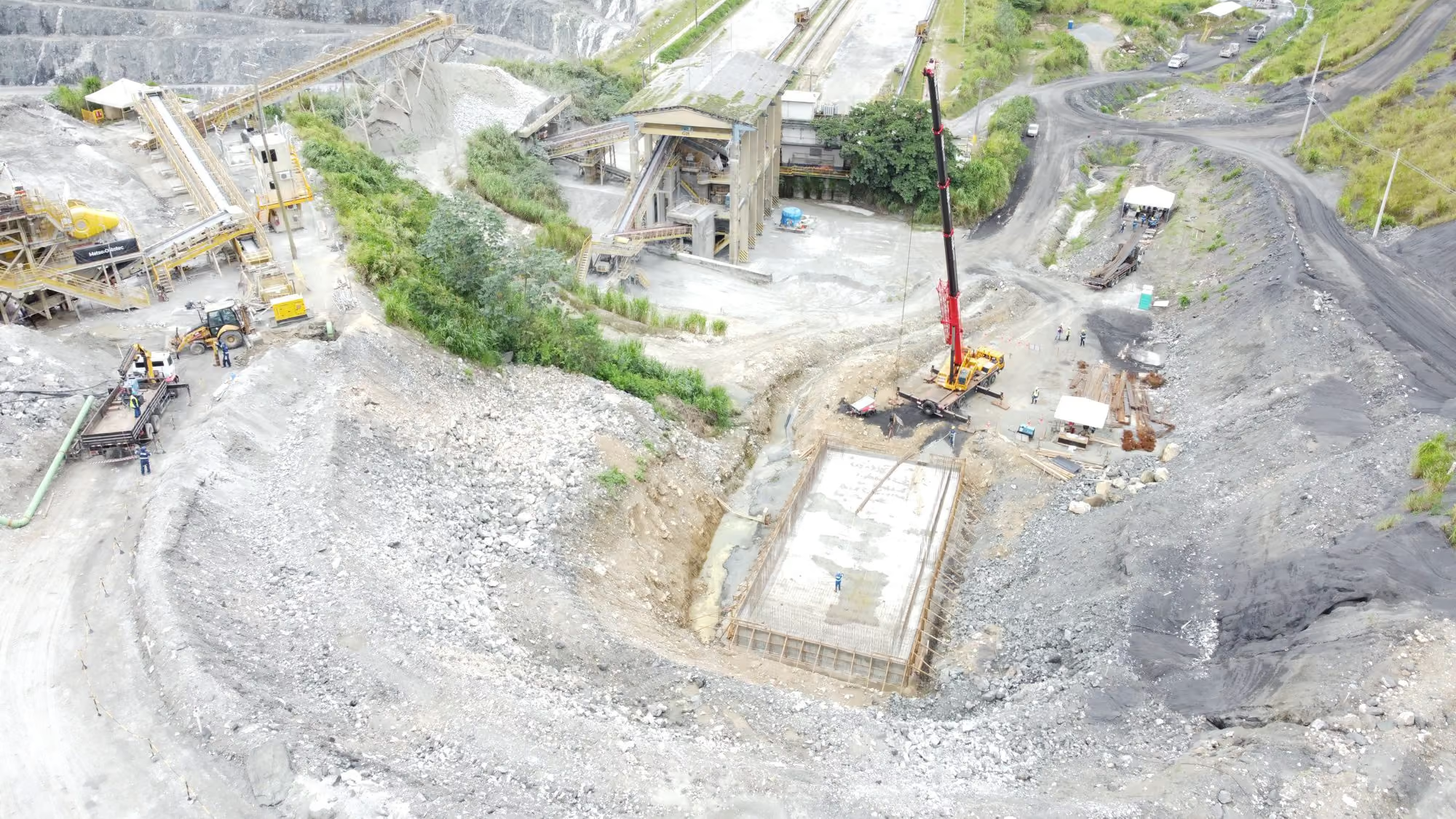
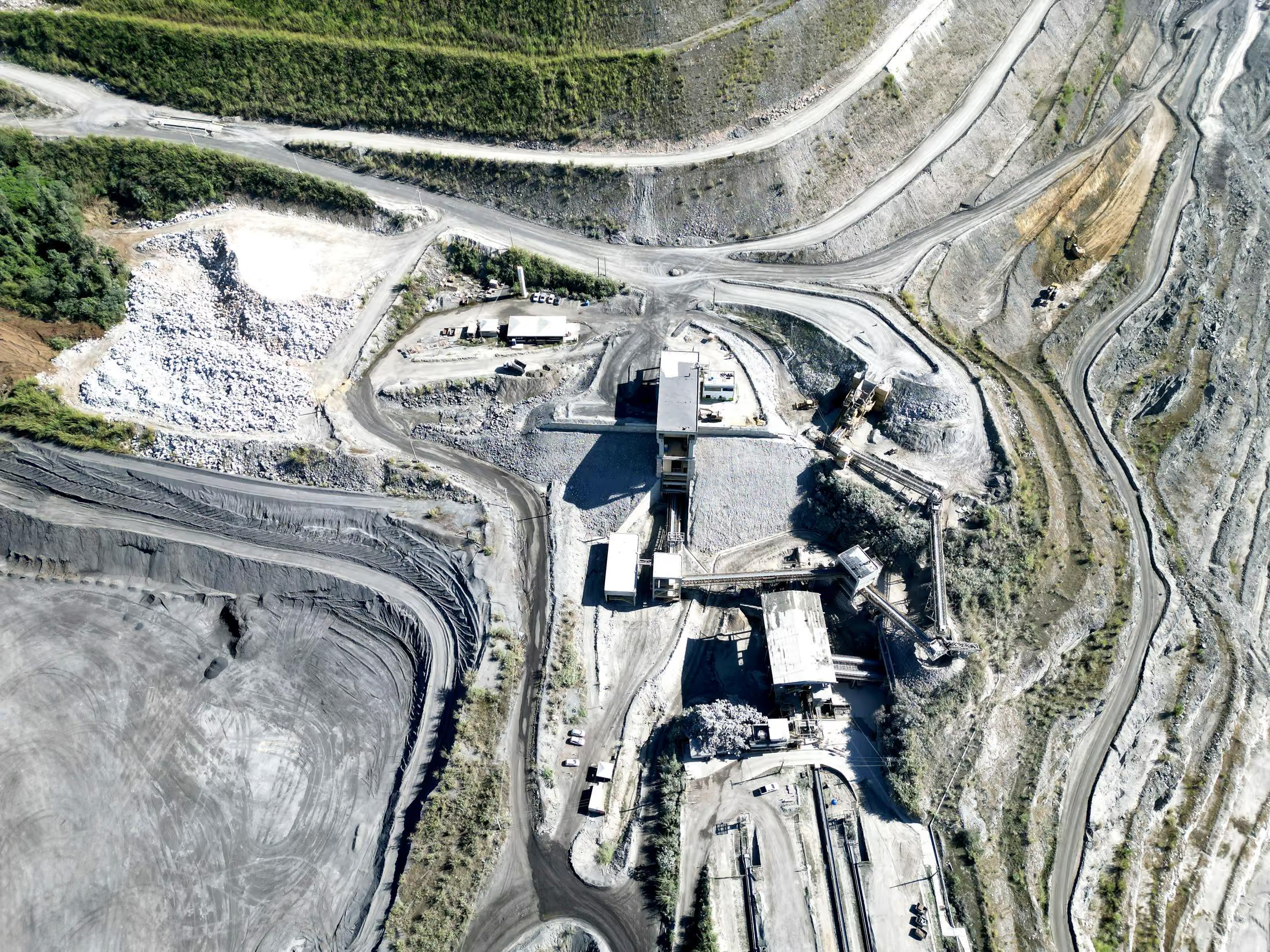

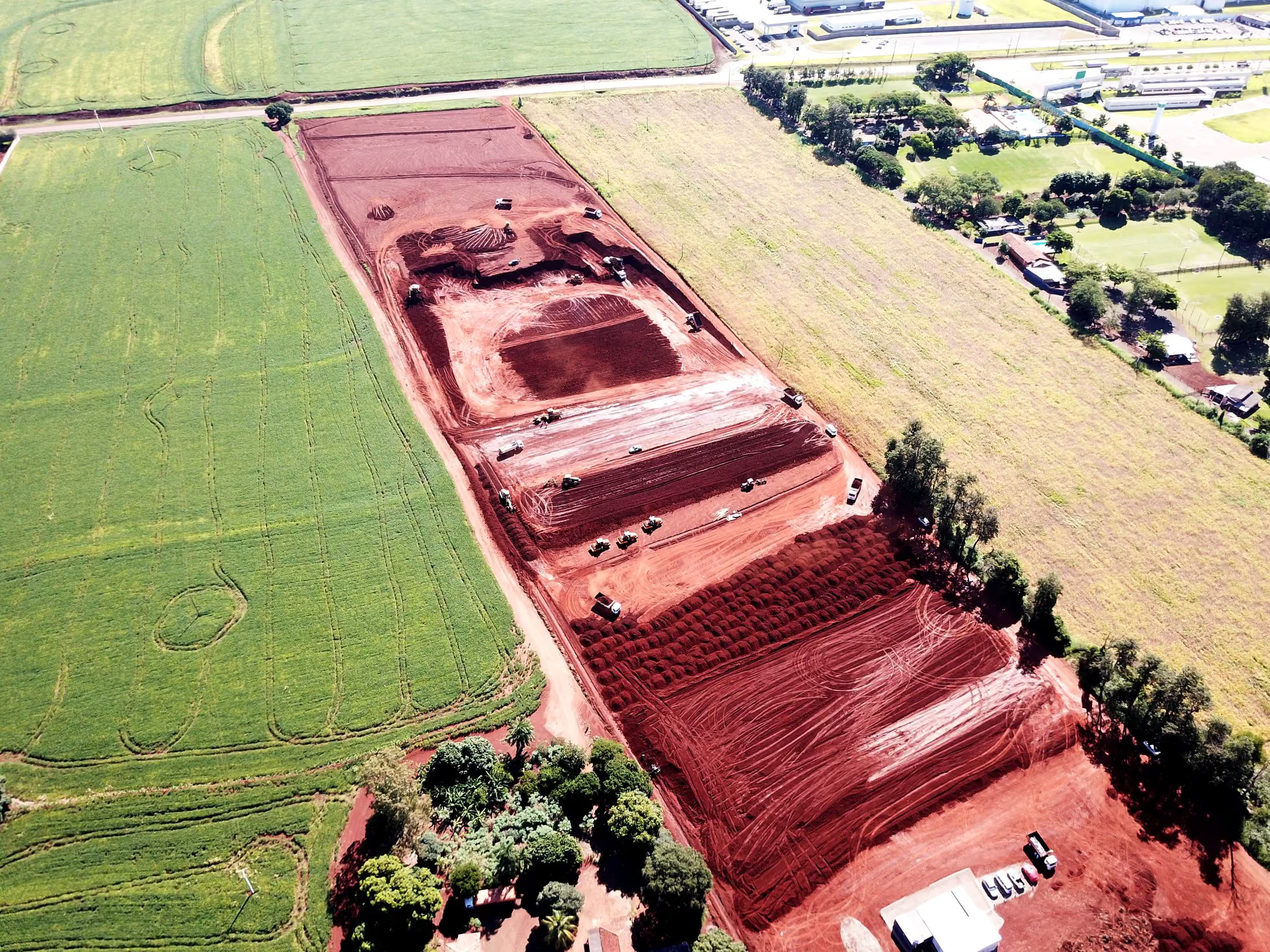
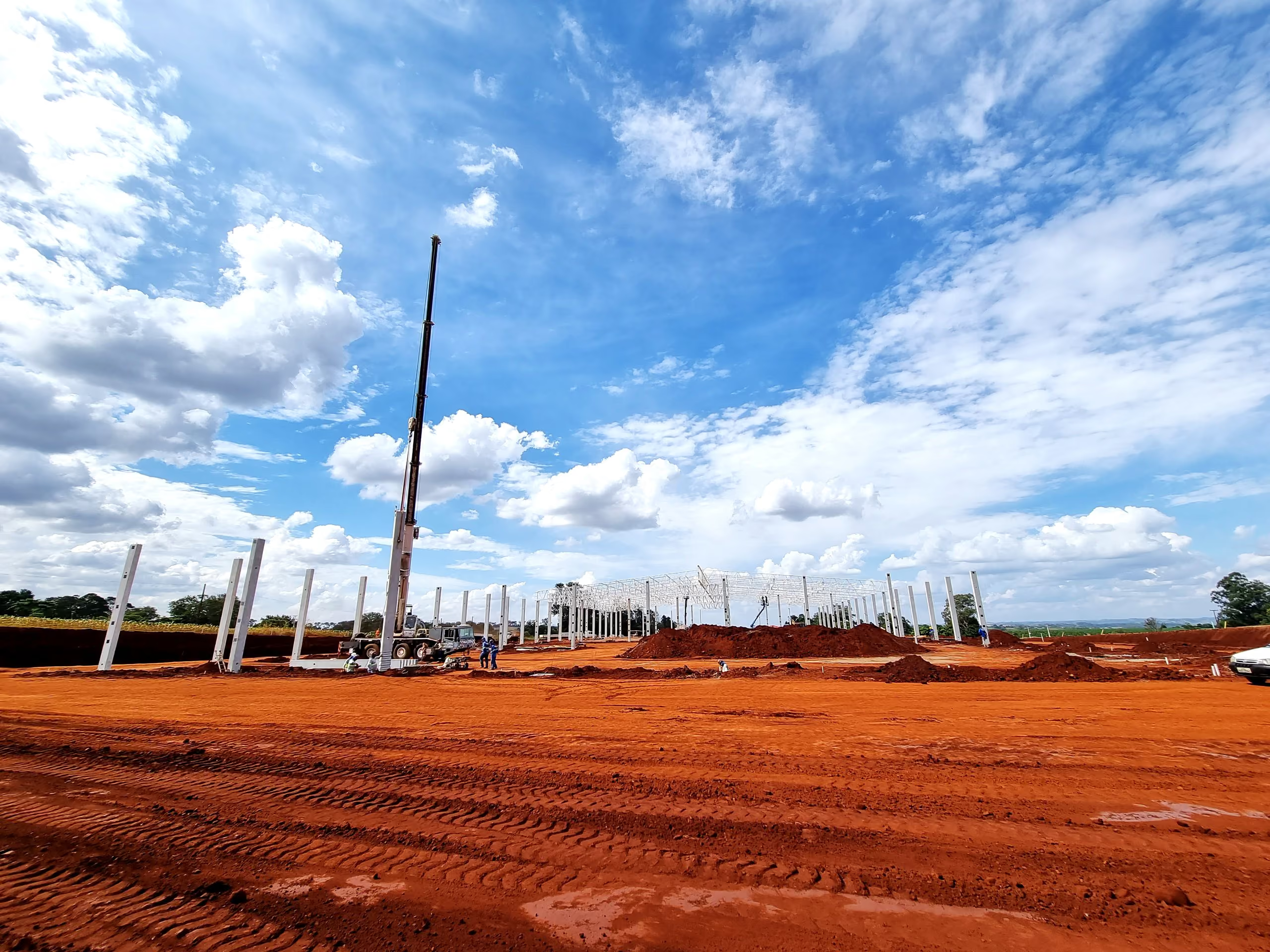
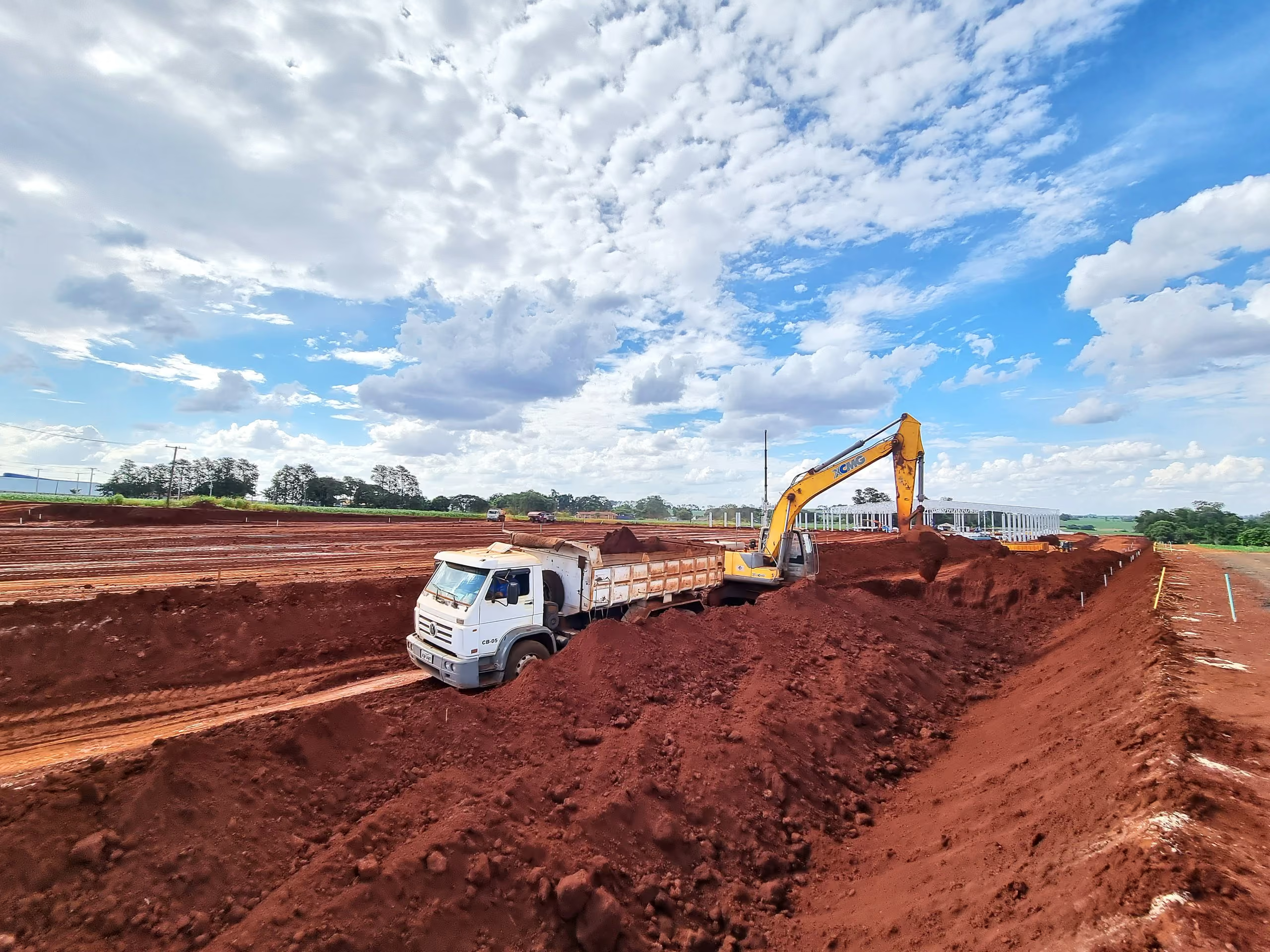
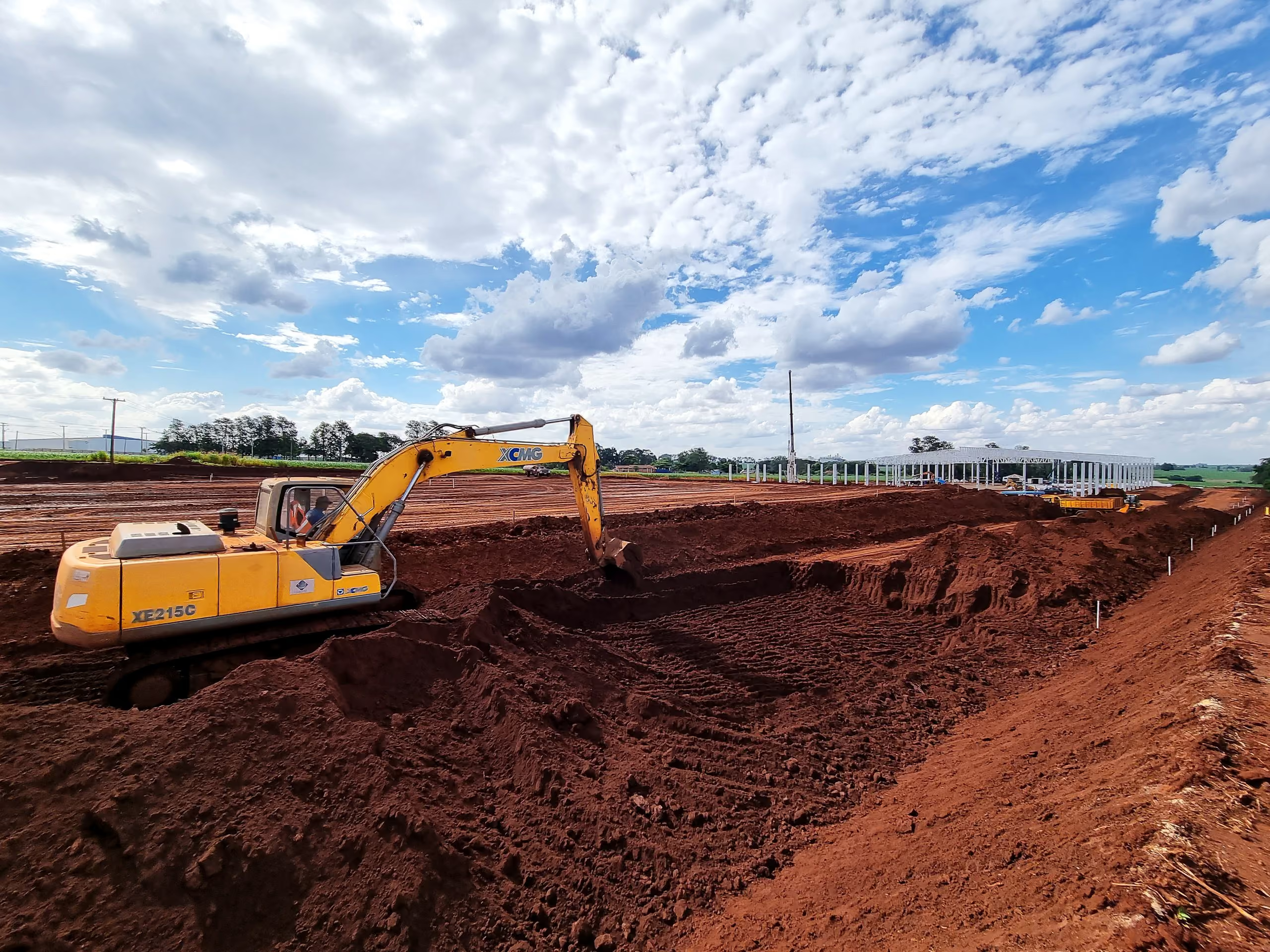
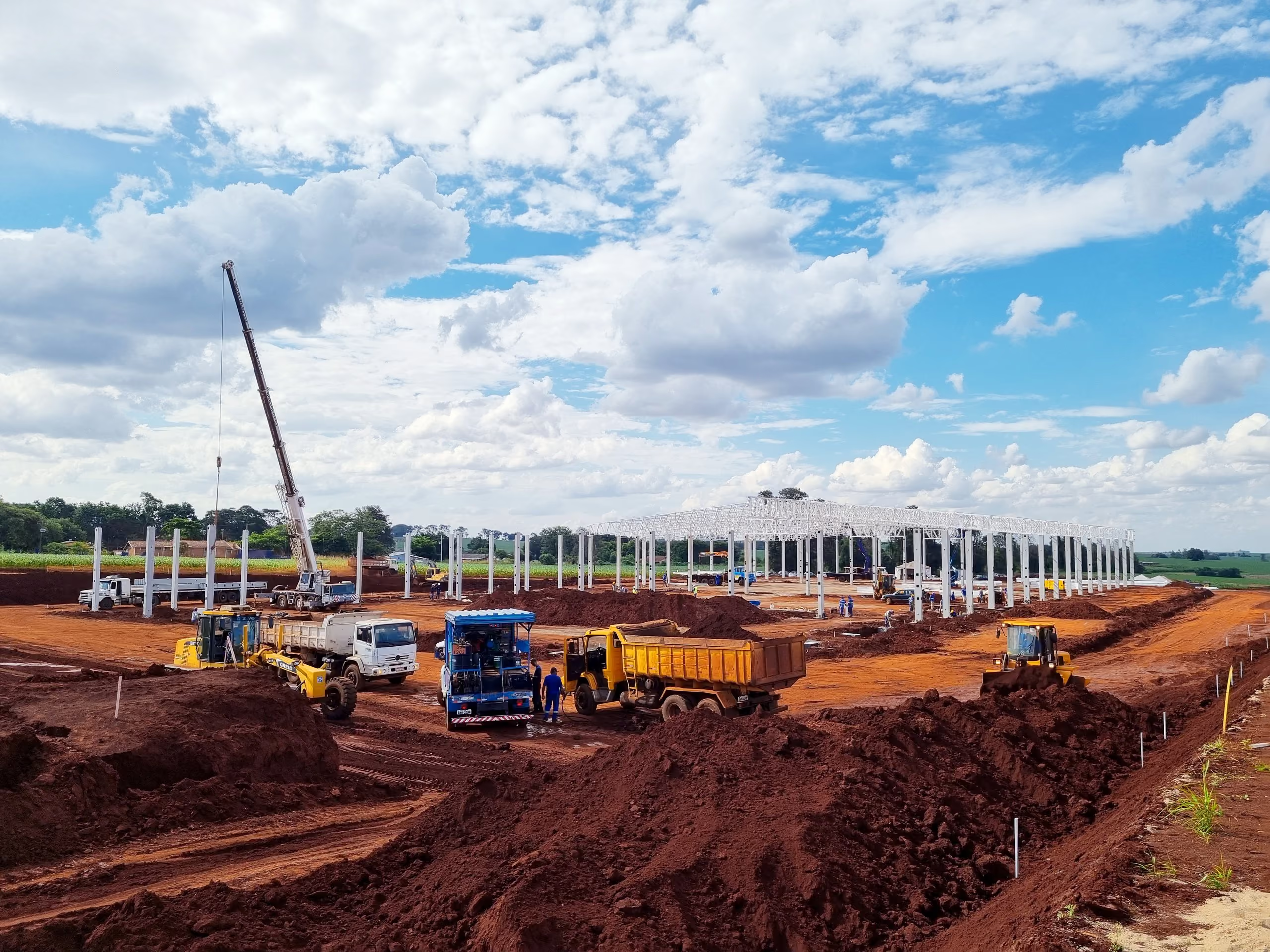
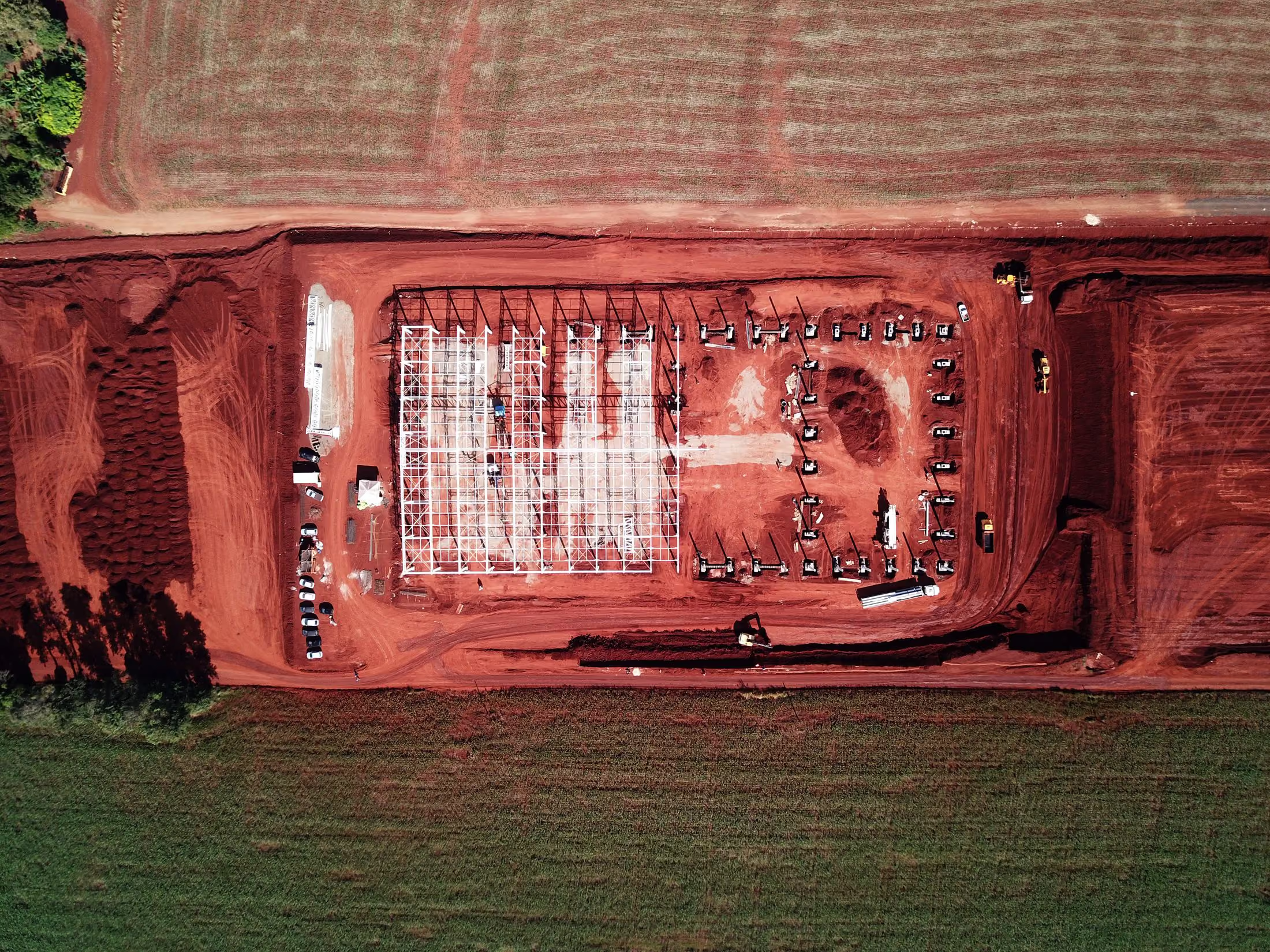
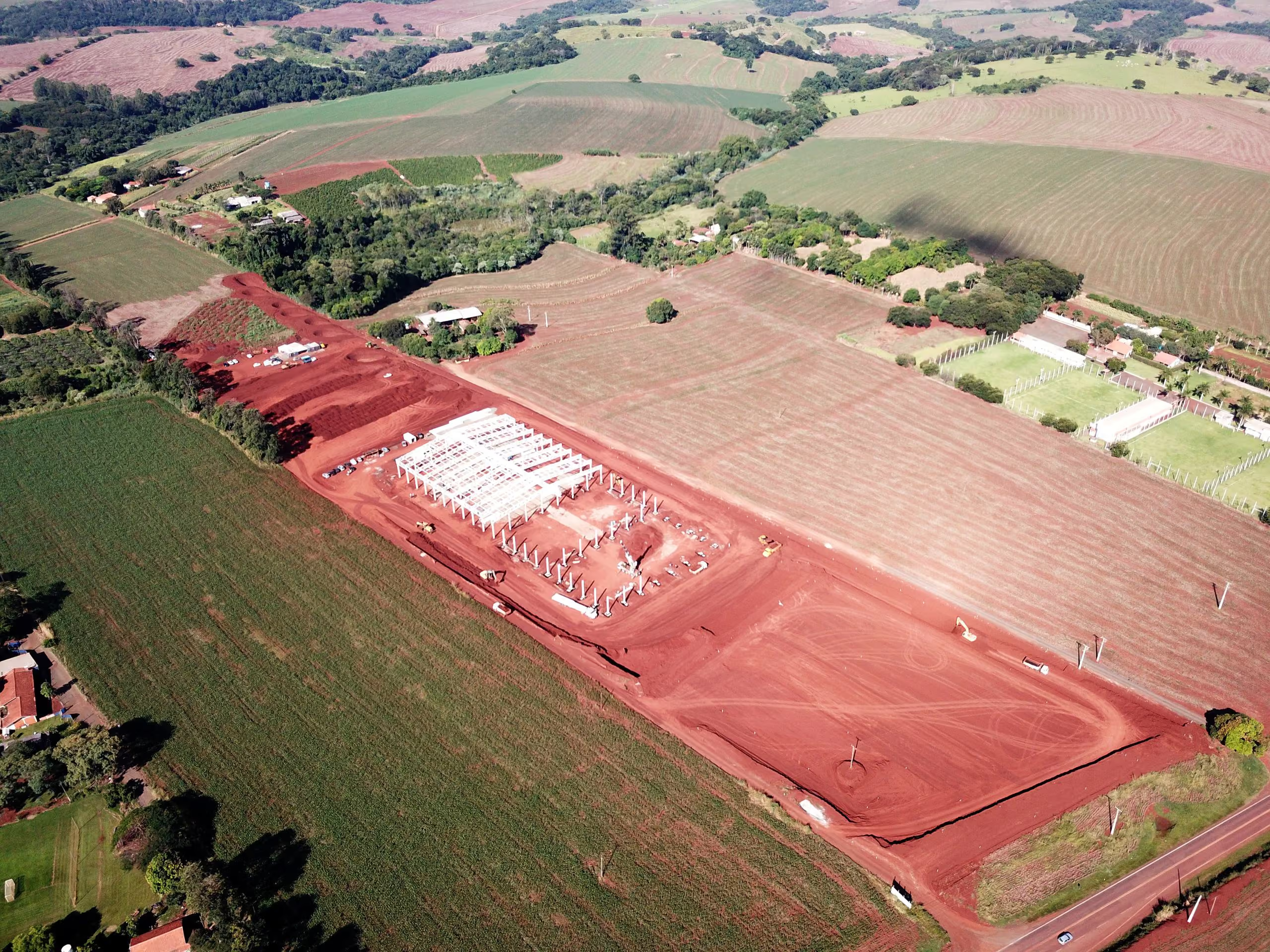
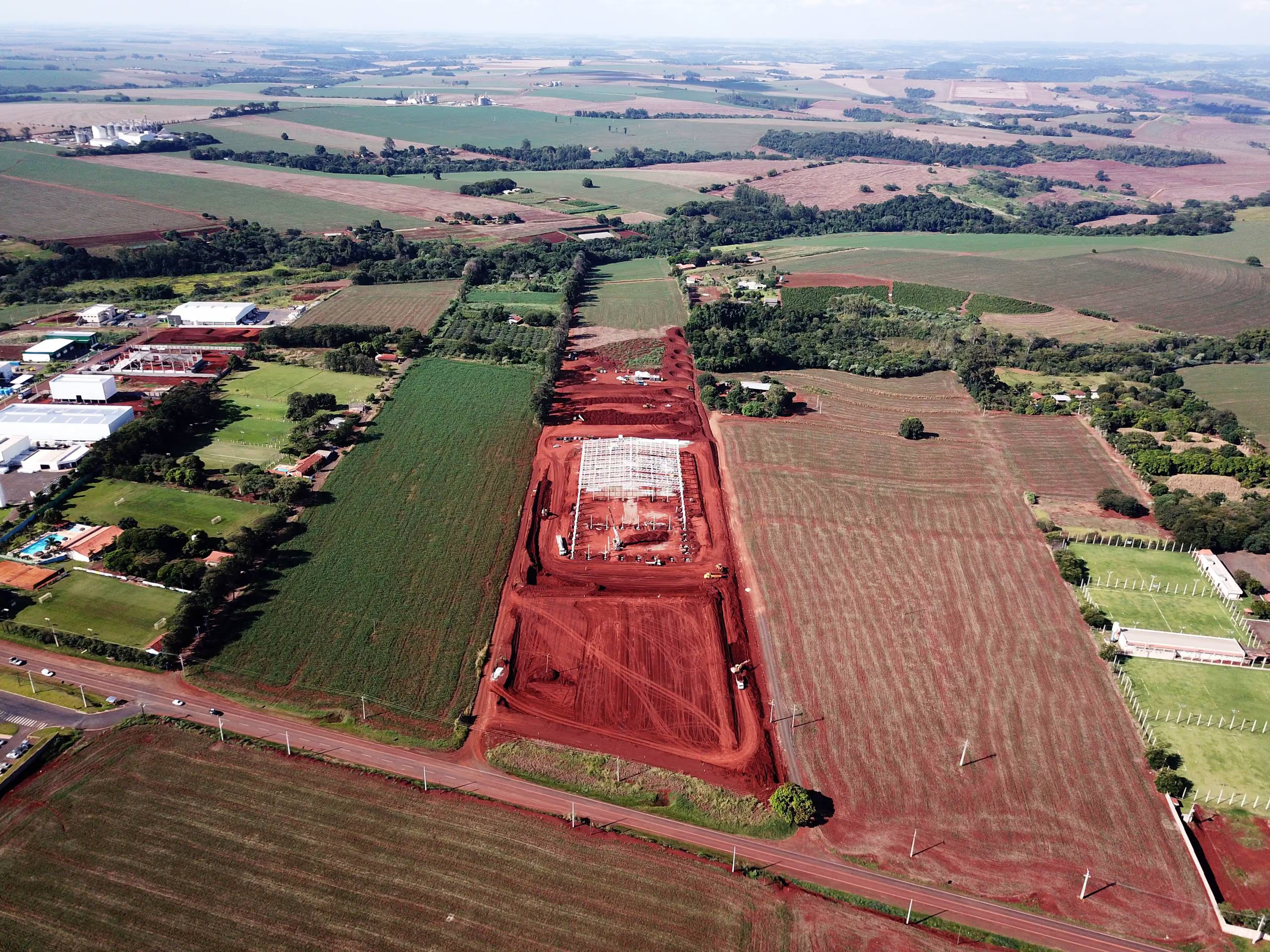
Earthworks begin with understanding the ground and what it will receive. Topography, soil investigation, cut and fill volumes, drainage conditions and expected loads guide the engineering decisions and the construction plan.
The process starts with survey, soil investigation and the cut-and-fill study, which define elevations, volumes and how much on-site material can be reused. Then come fleet mobilization, site clearing, layered cut and fill and, finally, drainage and release of the platform for foundations.
Lead time depends on cut and fill volume, soil type, haul distance and weather. An in-house fleet and simultaneous work fronts shorten the schedule, and drainage planning avoids stoppages in the rainy season.
Cost varies with the volume moved, haul distance, the need for borrow or disposal areas, retaining structures and the required compaction degree. A topographic survey and the cut-and-fill study allow an accurate quote for the project.
Cutting removes material from high elevations and filling raises the low ones, whenever possible with soil from the site itself. Layered compaction is what guarantees bearing capacity: without it, the platform settles and compromises foundations and pavements.
Defining elevations, drainage and access roads from the design stage avoids rework between earth moving and foundations. When earthworks and construction are under the same contractor, work fronts overlap safely and the schedule gets shorter.
We perform earthworks with our own fleet,
from raw ground to the platform released for foundations.
Yes. The heavy equipment fleet belongs to MSE, with our own operators and maintenance, which reduces the risk of downtime due to machine unavailability and speeds up mobilization.
Both. Earthworks can be contracted on their own or as part of a complete project, with design, construction and installations under the same contractor.
From industrial platforms and site facilities to large earth movements for factories, data centers, ports and infrastructure works, with volumes above 1 million m³.
With survey monitoring, layered execution and compaction tests documented in reports throughout the project, until the platform is released.
Yes. The fleet is mobilized for projects across Brazil, with our own site facilities and logistics.

