


atin America continues to attract industrial investments across sectors such as pharmaceuticals, food and beverage, chemicals, pulp and paper, mining, energy, manufacturing, and data centers. Competitive costs, access to natural resources, expanding digital infrastructure, and growing consumer markets make the region strategically attractive for global companies.
As industrial and digital infrastructure projects increase in scale and complexity, especially in segments like mission‑critical data centers, a structured evaluation approach becomes a key decision‑making tool for investors and developers.
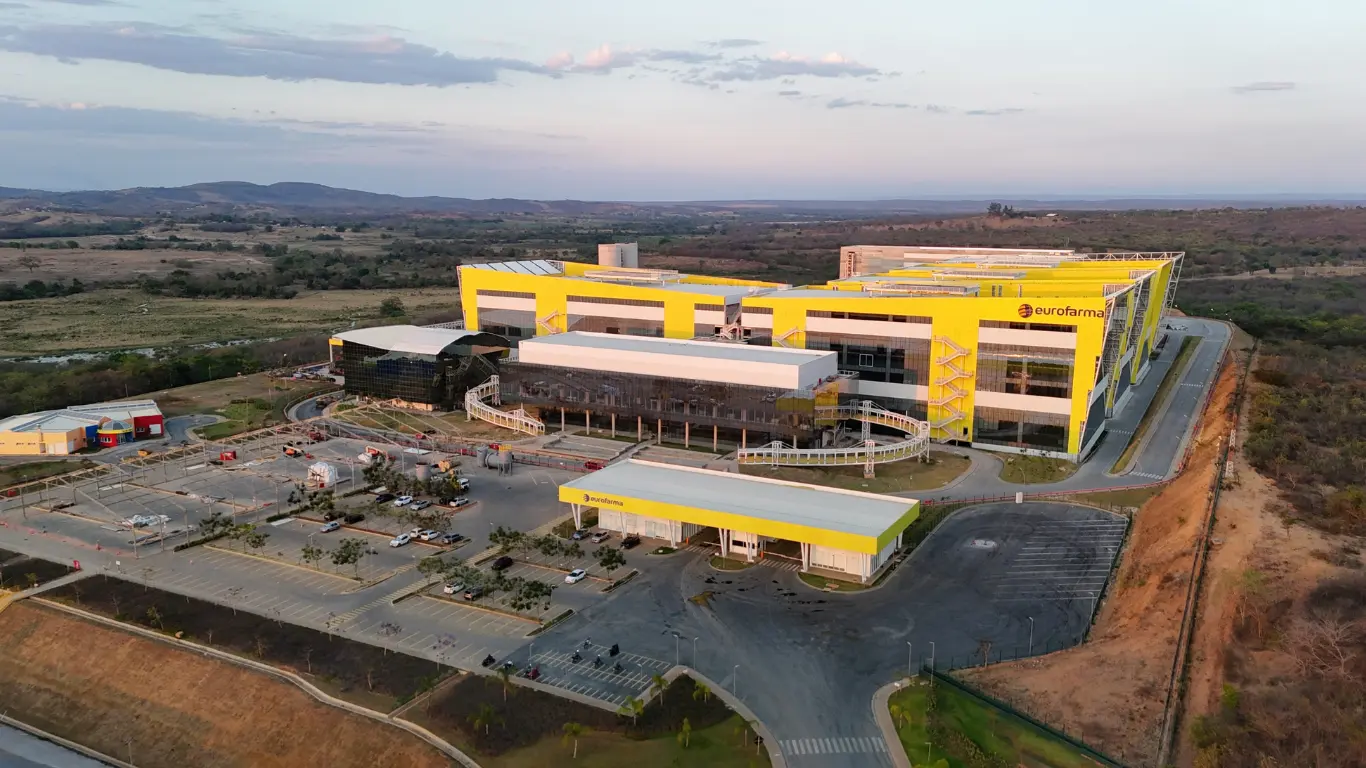
The role of feasibility studies in industrial and data center projects
A feasibility study is the foundation of any successful industrial or data center investment. It provides decision‑makers with a clear understanding of whether a project is technically viable, economically feasible, and executable within defined constraints.
In Latin America, feasibility studies typically address:
- Technical solutions and engineering concepts
- Capital and operating cost estimates
- Regulatory and permitting requirements
- Schedule constraints and critical paths
- Market, logistics, and location factors
- Risk identification and mitigation strategies
For data centers, feasibility studies also evaluate power availability, redundancy, cooling strategies, site reliability, and scalability requirements.
.webp)
Technical feasibility: adapting concepts to local realities
Industrial plants and data centers are often conceived using international standards and corporate engineering guidelines. In Latin America, technical feasibility depends on the ability to adapt these concepts to local conditions, including:
- National and regional technical codes
- Availability and reliability of utilities
- Local construction practices and labor skills
- Site conditions, access, and infrastructure
Early technical evaluation ensures that engineering solutions are constructible, compliant, and aligned with local execution capabilities, especially for high‑availability facilities such as data centers.
.webp)
Economic feasibility and cost predictability
Cost estimation is a critical component of project evaluation. In Latin America, economic feasibility must consider factors such as:
- Local construction and labor costs
- Imported equipment and long‑lead items
- Currency exchange and inflation exposure
- Tax structures and incentives
- Logistics and transportation costs
For data center projects, additional cost drivers such as electrical infrastructure, cooling systems, redundancy levels, and phasing strategies must be assessed early to ensure financial viability.
Key risks in industrial and data center projects
1. Regulatory and permitting risks
Permitting and environmental licensing processes can significantly impact project schedules. Feasibility studies must assess:
- Approval timelines and authority requirements
- Environmental impact studies
- Local zoning and land‑use constraints
- Compliance with national and regional regulations
Early regulatory analysis supports realistic planning and informed investment decisions.
.webp)
2. Schedule and execution risks
Industrial plants and data centers in Latin America may face schedule risks related to:
- Engineering maturity and scope definition
- Procurement of critical and long‑lead equipment
- Customs clearance and logistics
- Site access and infrastructure readiness
Evaluating execution risks during the feasibility phase allows teams to develop realistic schedules and mitigation plans.
.webp)
3. Supply chain and procurement risks
Many industrial facilities and data centers depend on specialized systems and equipment. Feasibility studies should identify:
- Critical procurement items
- Local versus international sourcing strategies
- Supplier qualification and availability
- Logistics and customs constraints
Proactive procurement planning is essential for protecting project timelines.
.webp)
Opportunities for industrial and digital infrastructure investors
Despite execution challenges, Latin America offers significant opportunities for both industrial development and digital infrastructure expansion, including:
- Competitive construction and operating costs
- Rapid growth in data consumption and cloud services
- Access to renewable and conventional energy sources
- Strategic geographic positioning
- Government incentives in selected regions and sectors
When projects are properly evaluated and structured, these opportunities can support strong long‑term returns.
The importance of integrated feasibility and execution planning
One of the most common causes of project underperformance is the disconnect between feasibility studies and execution planning. Successful projects integrate:
- Feasibility analysis with preliminary engineering
- Cost and schedule estimates with execution strategy
- Risk assessment with mitigation actions
- Local regulatory knowledge with international standards
This integrated approach ensures that feasibility studies become practical tools for decision‑making, not theoretical exercises.
How engineering and EPC expertise strengthens project evaluation
Engineering and EPC experience add significant value to feasibility studies by:
- Validating constructability assumptions
- Identifying execution risks early
- Aligning engineering concepts with real‑world constraints
- Supporting informed decisions on EPC or EPCM delivery models
For industrial plants and data centers alike, early involvement of experienced teams improves the accuracy and reliability of project evaluations.
.webp)
Evaluating industrial projects and data centers in Latin America requires a structured and integrated feasibility approach that addresses technical, economic, regulatory, and execution factors.
By combining robust feasibility studies with practical execution insight, investors and developers can make informed decisions, reduce uncertainty, and increase the probability of successful project delivery.
Destaques
Instalações para data center em 15 etapas: do projeto ao first power

Ciclo de Palestras MSE: os novos caminhos do setor elétrico
MSE integra obras do laboratório Sirius
Mais posts de
Inovação


